
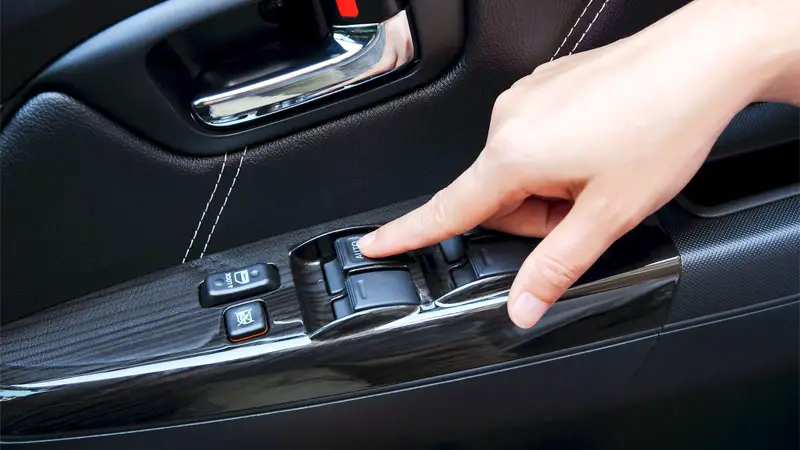
Electric windows are essential comfort features in modern vehicles. However, like any mechanical or electrical system, they can fail over time. Recognizing the symptoms of a faulty window regulator allows for quick intervention and avoids costly repairs.
In this article, we will explore the warning signs of a faulty window regulator, their possible causes, and the solutions to fix them.
1. The Window No Longer Responds to the Switch
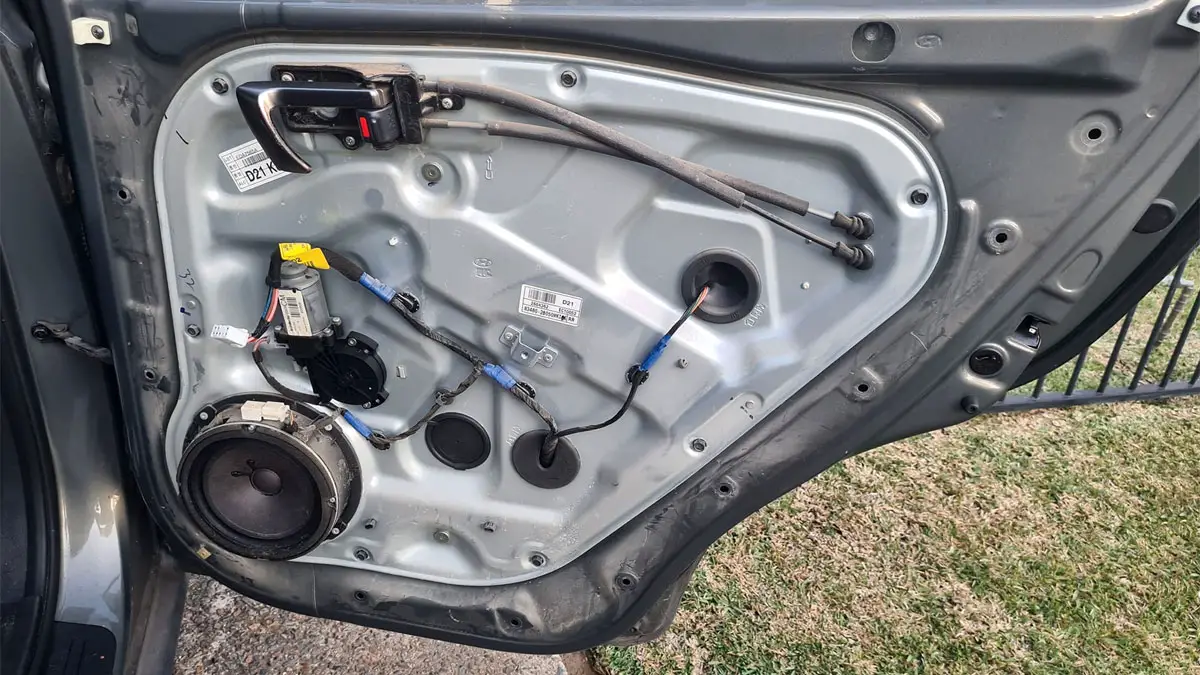
Symptoms:
- The window does not go up or down when you operate the switch.
- No noise from the motor or mechanism is audible.
Possible Causes:
- Blown fuse: An electrical issue may have blown the fuse associated with the window regulator.
- Faulty switch: The control button may be damaged or no longer transmitting current.
- Wiring problem: A cut or corroded electrical wire may prevent operation.
Solutions:
- Check and replace the relevant fuse.
- Test the switch with a multimeter or by trying another button (if available).
- Inspect the wires for breaks or corrosion.
2. The Window Goes Up or Down Slowly
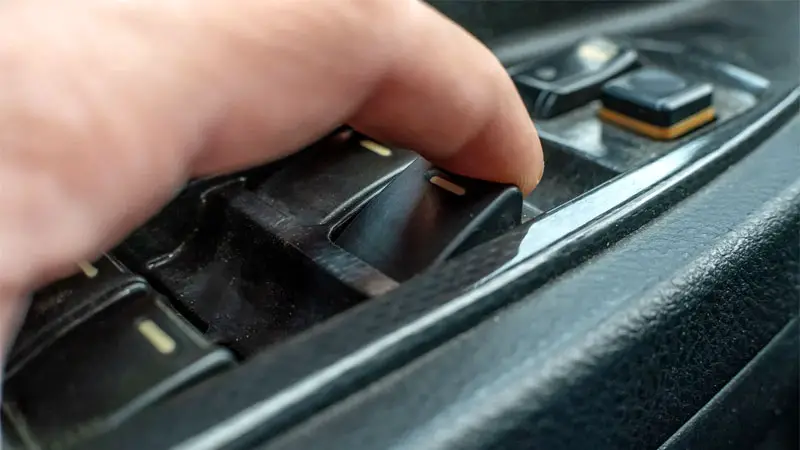
Symptoms:
- The window takes longer than usual to open or close.
- A squeaking or rubbing noise may accompany the movement.
Possible Causes:
- Lack of lubrication: The window regulator rails or guides may be dry or dirty.
- Worn-out motor: The electric motor loses power over time.
- Mechanical problem: A deformed or worn regulator (lifting mechanism) can slow down the movement.
Solutions:
- Clean and lubricate the rails with a silicone spray or suitable grease.
- Check the condition of the motor and replace it if necessary.
- Inspect the regulator for breakage or deformation.
3. The Window Does Not Stay in Place or Falls on Its Own
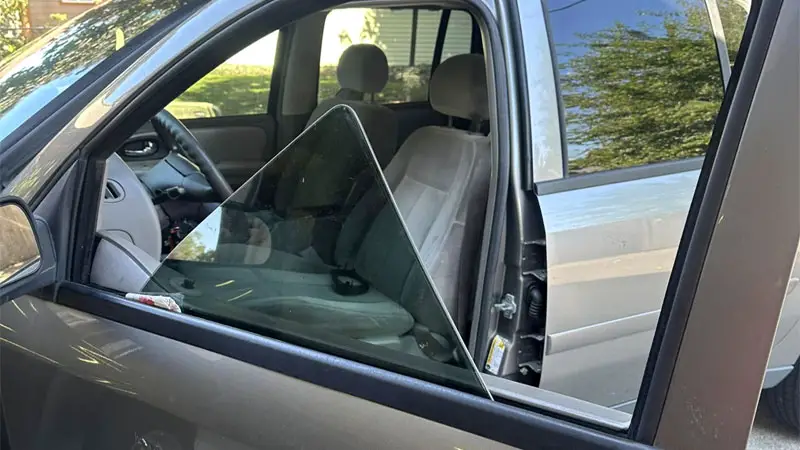
Symptoms:
- The window goes down slightly after being raised.
- It does not hold its position and falls back partially or completely.
Possible Causes:
- Anti-pinch mechanism problem (on recent models): A malfunction in the safety system can cause the window to go back down.
- Broken regulator: A spring or cable in the mechanism may be broken.
- Worn guides: The guides no longer hold the window properly.
Solutions:
- Reset the anti-pinch system (consult the vehicle’s manual).
- Replace the regulator if parts are broken.
- Check the condition of the guides and replace them if necessary.
4. Abnormal Noises During Use
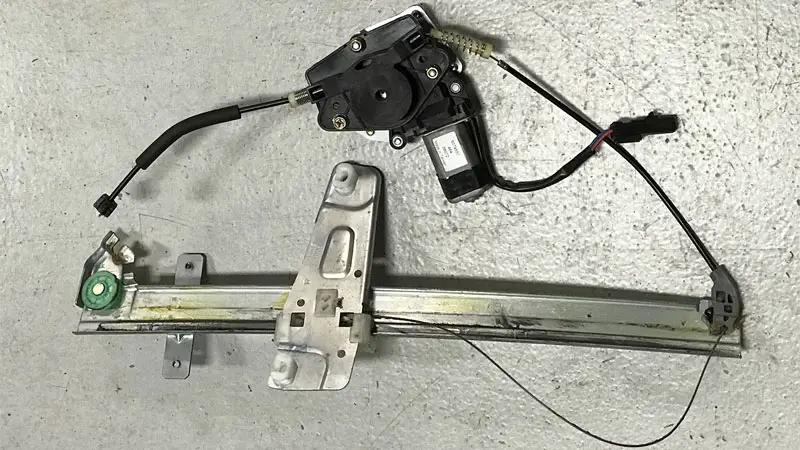
Symptoms:
- Squeaking, clicking, or cracking noises when the window goes up or down.
Possible Causes:
- Regulator failure: A cable may be breaking.
- Failed motor bearing: The motor emits friction noises.
- Obstruction in the rails: Dirt or debris blocking the movement.
Solutions:
- Clean the rails and lubricate the mechanism.
- Check the condition of the regulator and motor.
- Replace damaged parts.
5. The Window Is Crooked or Stuck
Symptoms:
- The window does not go up straight and gets stuck at a certain point.
- It refuses to go down completely or remains stuck.
Possible Causes:
- Deformed or broken regulator: The cables or arms of the mechanism are misaligned.
- Guide problem: The guides are twisted or damaged.
- Detached window: The window is no longer properly attached to the mechanism.
Solutions:
- Realign or replace the regulator.
- Check the condition of the guides and adjust them.
- Reposition the window if it has become detached.
Conclusion: What to Do in Case of a Faulty Window Regulator?
If you notice any of these symptoms, here are the steps to follow:
- Check simple elements (fuse, switch, lubrication).
- Diagnose the problem (mechanical or electrical).
- Replace faulty parts (regulator, motor, cables).
In some cases, professional repair is necessary, especially if the anti-pinch system is involved. Quick intervention prevents further damage to the mechanism and ensures your safety.
If you have any doubts, do not hesitate to consult a mechanic for an accurate diagnosis!
🚗 Preventive tip: Regularly clean and lubricate the rails to extend the life of your window regulator.