
Modern vehicles come with a plethora of sensors connected to the vehicle’s central computer or PCM.
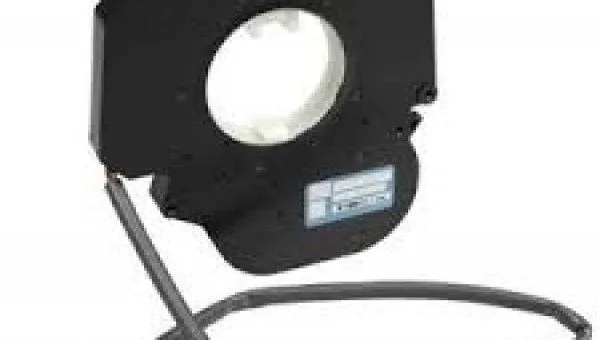
One of these sensors is the steering angle sensor, which is responsible for controlling the car’s stability and traction. This sensor is linked to the car’s stability technology, which goes by different names.
Each manufacturer has a unique name for their vehicle’s stability technology, but a different name doesn’t change the fact that the technology used by all manufacturers is fundamentally the same.
Signs of a Bad Steering Angle Sensor
Any sensor, whether it’s a steering angle sensor or any other sensor, can wear out due to constant use. Electronic components are notorious for having a certain lifespan. Once the component reaches the end of its lifespan, it begins to lose its efficiency. However, every faulty car part emits signs that can alert you and prompt you to take quick action.
1. Check Engine Light or Traction Control Light Comes On
Older cars had a sensor that was aware of the ECU. All computer issues are reported by the check engine light, so this light on your dashboard can mean a number of problems associated with the powertrain. You can only identify the problem after using a code scanner and extracting the appropriate error code for further diagnosis. However, in modern cars, traction technology has been introduced.
This is a completely new technology, which is why it gets a separate indicator in the form of a traction control light. Therefore, if you see this light come on in the dashboard, you might have a bad steering angle sensor.
2. Heavy Steering Wheel
If there is a loss of grip or malfunction of the steering wheel, even if there was no issue the last time you drove, there might be a problem with your steering angle sensor. The sensor may have sent inaccurate information to the car’s onboard computer, leading to unnecessary automatic adjustments, or the sensor may have completely stopped working, giving no information to the ECU (this will trigger the traction control light).
3. The Car Acts Strangely After Wheel Alignment
We talked about the steering angle sensor sending false or inaccurate information to the ECU. If your car behaves a bit oddly or drives strangely even after a wheel alignment, it might be due to a failing steering angle sensor. It is important and necessary to reset the steering angle sensor after an alignment. If your mechanic doesn’t do this, you might have this issue. Therefore, in such a case, revisit your mechanic and have the sensor reset and the wheels realigned.
What is a Steering Angle Sensor?
tcs light traction controlModern vehicles are riddled with sensors that inform the vehicle’s onboard computer to take necessary actions regarding certain conditions. The steering angle sensor is one such sensor that is vital for a car and its performance. When you turn the steering wheel, you expect the wheels to turn in that particular direction.
The steering angle sensor, as the name suggests, detects the steering angle. There are two main types of steering angle sensors: analog and digital.
Both use different methods to detect the steering angle. The digital sensor, which is also the most widespread sensor in cars, uses an LED light to detect the wheel angle, turning rate, and other important information. The sensor then transfers this information to the ECU, which acts by adjusting how your car drives and steers.
The stability system will be activated if your car has one. Naturally, if the steering angle sensor goes bad, your presence on the road will become dangerous, and you will see a yellowish light come on in your dashboard.
Steering Angle Sensor Location
The steering angle sensor is usually located near the steering housing; however, in some cars, it is located right next to the wheels. There may be one or more sensors on your vehicle. Therefore, it is best to know which of your sensors is causing the check engine light to come on in your dashboard.
Diagnosing a Failing Steering Angle Sensor
A number of visible signs accompany a failing steering angle sensor. Understanding and spotting them in advance can help you save money and, most importantly, save your life. The first difference you might feel could be in your car’s performance. Perhaps the car is too unstable in turns or simply too uncontrollable when you brake. The car’s check engine light may also come on. Generally, any uncomfortable feeling while driving your car can be an example of failure, which you should check as soon as possible.
Testing a Bad Steering Angle Sensor
After completing all the steps above and you still get the traction control light on your dashboard, it’s time to make an appointment with the mechanic. The mechanic will have the right tools
to test and check the sensor. The most important tool for checking sensors is a code scanner.
A car’s computer communicates via error codes. As soon as a problem occurs, one or more error codes appear, and the check engine light or the anti-skid light comes on. You cannot see the error code without an OBDII scanner. A mechanic already has a scanner that they can use, but you can also easily buy one at a reasonable price.
You can also check the settings to see what angle the steering sensor is sending. Try turning your steering wheel to see if you get corrupted signals.
Fault Codes
The most common code that accompanies a failing steering angle sensor is U0126. If you see this code on your scanner, it means you might have a problem with the sensor.
Sensors can also be tested using voltmeters sometimes if you have the skills. To check the steering angle sensor, you need to have a high-impedance voltmeter, which is not commonly found in everyone’s home, but it is easily found in a mechanic’s workshop. Then, you need to check the reading on the voltmeter at different engine speeds. Finally, compare the readings with the manufacturer’s specific range. In case of irregularity, have the sensor repaired or replaced.
Cleaning the Steering Angle Sensor Connector
In some cases, it might be corrosion on the steering angle sensor connector or inside it. If you can easily reach the sensor, you can try cleaning the connector and the sensor. Keep in mind that in most cases, it’s the sensor itself that will suffer internal damage, and cleaning won’t fix it.
Things You Will Need:
- A screwdriver
- A disposable plastic bag
- Contact cleaner
Remove the Sensor
The steering angle sensor is located near the car’s suspension or in the steering column. Look for the correct location in your car’s user manual and unscrew the sensor. Make sure not to damage the other surrounding components.
Use ethanol or alcohol to clean the sensor connection
To clean a steering angle sensor, you can use the alcohol and plastic bag technique or use a dedicated contact cleaner. The former requires you to place the sensor inside the plastic bag and rub it with alcohol to remove any contaminants. The latter is quite easy as you might just need to spray the cleaning fluid on the sensor to clean the connector and the sensor.
Reinstall the Steering Angle Sensor
Now, you can simply let the sensor dry for a few hours before putting it back in its original position.
Repair/Replacement of the Steering Angle Sensor
The ideal time to replace your car’s steering angle sensor is when it starts showing signs of failure. This saves you from future troubles and expenses. Here’s how to remove and replace a steering angle sensor:
- Determine the faulty sensor using an error code scanner
- Look for the bad sensor in the steering column or near the wheels
- Go through the car manual for a detailed explanation of the sensor’s location
- The sensor would be protruding and probably dirty due to overuse
- Remove the connector to cut off the electrical power to the sensor to remove it
- Now use a screwdriver to unscrew the steering angle sensor from its place
- Discard the old sensor and unpack the new sensor you bought
- Thoroughly clean the area where you will place the sensor
- Place the sensor in its place and screw it firmly to the body
- Frame
- Reconnect the connectors to the sensor
- Start your car and look for the glowing light on your dashboard
- Use an error code scanner to clear the code cache and remove the light from your dashboard