
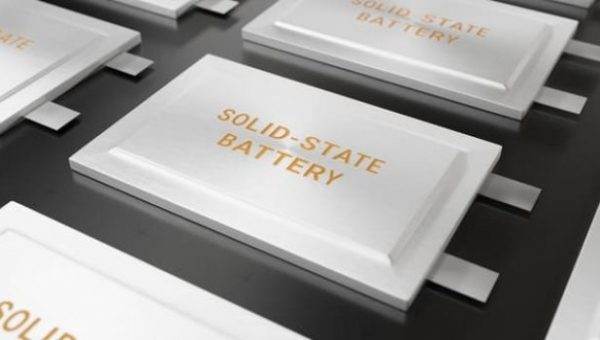

If you haven’t heard about solid-state car batteries, you will. In 2022, all-solid-state cells will enter the automotive qualification process and could be commercialized as early as 2025.
ELECTRIC CAR BATTERIES
If you currently own an electric or hybrid car, you probably know that it is powered by lithium-ion, lead-acid, nickel-metal hydride, or ultracapacitor batteries. Most electric vehicle batteries will last about 10 to 20 years before needing replacement. Replacing an EV battery can be a costly endeavor, which makes many new car buyers hesitant to purchase an electric car. Charging time can also be a challenge, ranging from about 30 minutes to up to half a day depending on your battery size or the speed of your charging station. This brings us to:
SOLID-STATE CAR BATTERIES
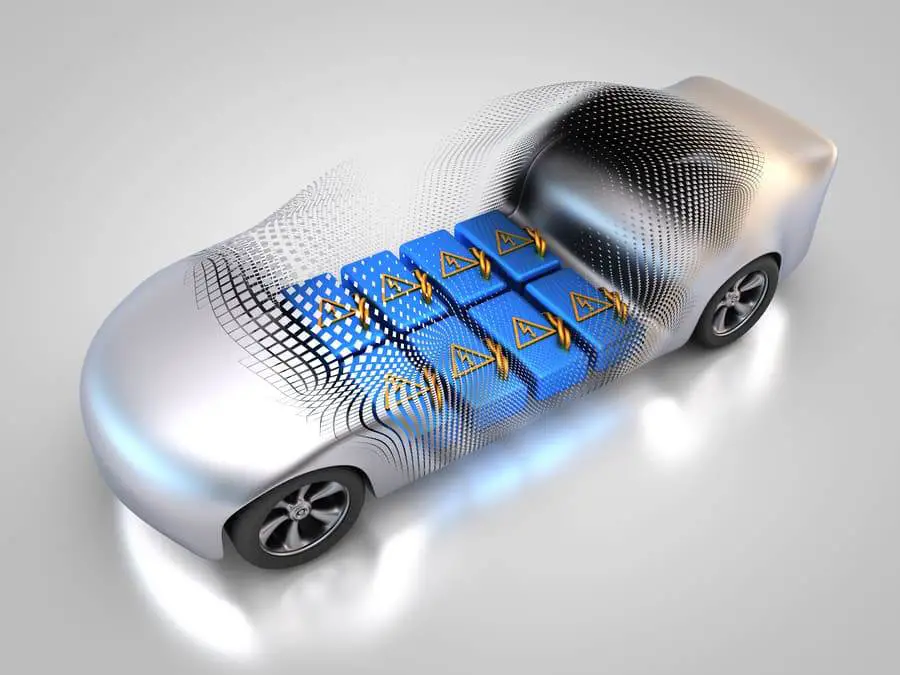
Although not necessarily cheaper, solid-state batteries with higher energy density promise to store up to 50% more energy, recharge faster, and be more stable and safer than lithium-ion batteries. Solid-state batteries are not made of heavy liquid electrolytes as is the case with lithium-ion batteries; instead, they contain solid electrolytes. Solid electrolytes can be ceramic, glass, or other solid materials.
As is the case with most new technologies, they are likely to be expensive when they first hit the market, with their cost decreasing as demand increases. It is also very likely that they will become cheaper to manufacture than previous EV batteries. Another advantage is that they could extend the lifespan of electric vehicles to match that of conventional gasoline cars (about 10 to 15 years).
SOLID-STATE BATTERY CARS
Electric vehicles offer us the opportunity to travel, explore, and experience freedoms that public transportation does not provide, without having a major impact on our environment.
You may not be convinced that an electric vehicle is right for you, and there are certain drawbacks, such as price, lack of charging stations, and short driving ranges. However, with the advent of solid-state battery vehicles, new innovations, and mass production, this will very likely change in the not-too-distant future.
Solid-state battery cars are definitely on the horizon. Many consumers have been hesitant to switch from a conventional car to an electric vehicle, but the promised innovations will more than likely convince them to reconsider their options.
WHO WILL BE FIRST?
Toyota has always been a name in electric vehicle technology since they introduced their hybrid technology to the market in 1997 and can currently count over 15 million drivers among their customers. Always seeking new innovations, Toyota stated in 2020 that they were working on prototypes using solid-state batteries and confirmed in 2022 that they plan to start selling vehicles using solid-state batteries as early as 2025. However, it has been stated that the first vehicles equipped with these innovative batteries will not be fully electric but hybrids, with the first car to receive the new battery possibly being the Prius.