
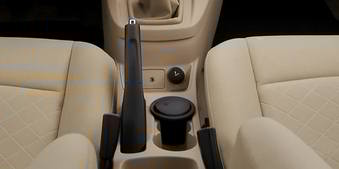
This is a quick guide on how to fix a car cigarette lighter, so if you want to simply repair the cigarette lighter in a car, then this guide is for you. Imagine driving on a long trip when you notice your phone’s battery flashing the low battery red light and you think to yourself, “No problem, I’ll just plug it into my car charger.
But then you realize that your car’s cigarette lighter socket, which also serves as a charging port, is no longer responding and has broken down. Very frustrating, right?
Don’t worry, that’s what this article is for as we look at the steps to fix a cigarette lighter in a car.
Let’s examine the nuances of why this happens and how you can fix it yourself, saving time and money. But before that, let’s see why you should fix it even if it’s not a major problem for your vehicle.
Why Should You Care?
Well, cigarette lighter ports were originally only for lighting cigarettes, but the time when they served only to light cigarettes is long gone. In today’s vehicles, that small socket is a lifeline for powering all the necessary useful gadgets that make life on the road easier for us. Imagine a road trip without your GPS or a car full of bored children with dead tablets. That doesn’t sound fun, does it?
Why Do You Need to Fix Your Cigarette Lighter?
Your car’s cigarette lighter can be a source of many inconveniences and problems in your car if it stops working. Although we all have different reasons for wanting to fix the lighter port, below are some of the common reasons why you might want to fix them.
- Avoid costly mechanical repairs down the road.
- It’s very convenient to have the socket working properly (you can charge your gadgets wherever you are).
- It’s easy to fix minor faults like blown fuses, sockets, etc., in your car, and a cigarette lighter is no exception.
Common Causes of a Bad Cigarette Lighter in a Car
Some of the common causes of a faulty or defective cigarette lighter in a car can range from minor and insignificant issues to slightly more complex problems. Often, it can be as simple as a blown fuse. Other times, it might be due to a loss of electrical power to the socket or something as simple as a stuck gum wrapper inside. Whatever the reason, the solution is usually within your reach.
Diagnosing and How to Fix a Cigarette Lighter in a Car Step by Step
#1. Checking and Replacing the Fuse
The heart of the problem often lies in a blown fuse. Located in your car’s fuse box, it’s usually a simple fix. Grab your car’s manual (yes, the one gathering dust in the glove box) and locate the fuse box. Once you’ve found the fuse responsible for the cigarette lighter, inspect it. If it’s broken or blown, replacing it is straightforward. Remember to always match the new fuse’s amperage rating to the old one.
#2. Dealing with a Stubborn Fuse
If the new fuse blows immediately, it’s a sign of a more serious problem, possibly a short circuit somewhere in the wiring. This might require a bit more elbow grease or, in complex cases, professional intervention.
#3. Cleaning the Lighter Socket
Sometimes, the problem isn’t electrical but physical. The socket can become a haven for all sorts of debris, from crumbs to small pieces of paper. A good cleaning often gets it working again. Just make sure the car is off and use a non-conductive tool to gently remove any debris.
#4. Inspecting the Lighter Itself
Remove the lighter element and inspect it. Signs of burning or corrosion can indicate that the lighter itself is the problem. Replacing it is usually as simple as going to an auto parts store and buying a new one.
#5. Testing the Electrical Pathway
Using a multimeter, you can test the power to the socket. Set the multimeter to measure voltage and touch one probe to the center of the socket and the other to the side. A healthy reading should be around 12 volts. Any number significantly lower indicates a problem with the socket itself.
#6. The Role of Plugged-in Devices
In our desire to turn our cars into mobile charging stations, we often overload the cigarette lighter socket with various devices. Sometimes, unplugging them can solve the problem. It’s also good practice to check the devices themselves: a faulty charger can sometimes be the cause.
Additional Tips and Tricks
- Stay Safe: Always ensure your car is off and the keys are removed from the ignition before attempting any repairs.
- Spare Fuses: Keeping a small assortment of spare fuses in your glove box can save the day.
- Regular Cleaning: Make a habit of regularly cleaning the lighter socket to prevent any buildup that could cause problems in the long term.
Conclusion
A non-functioning car cigarette lighter can range from a minor inconvenience to a significant obstacle, especially in today’s device-focused world. However, with a bit of know-how and some basic tools, most problems related to it can be solved at home. This not only saves you a trip to the mechanic but also gives you a better understanding of your car’s inner workings. Remember, when it comes to car repairs, safety is paramount. If in doubt, seeking professional help is the wisest course of action.