
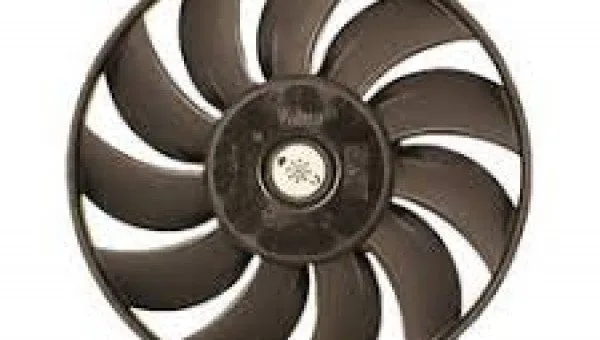
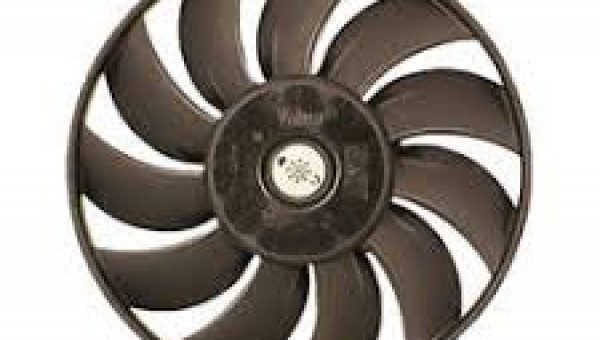
The radiator fan is located between the radiator and the engine, and although its function may seem unimportant,
in reality, it is an essential part of the car. The radiator fan has the important task of keeping the coolant cool when it becomes hot.
The coolant circulates between the radiator and the engine’s cooling chamber, so it naturally heats up by absorbing the engine’s heat. The radiator fan prevents the coolant from overheating, as this can cause a number of problems.
Symptoms of a Faulty Radiator Fan
The cooling fan can wear out due to excessive use or simply due to age. It cannot last forever and cannot continue to function effectively without your care. When it starts to fail, you will experience some symptoms that may indicate it needs to be repaired or replaced.
No Whirring Noise from the Engine Bay
The radiator fan makes a noticeable noise during operation. This noise is produced by the cooling fan motor, which activates the fan for rapid movement. Its whirring noise can even be heard inside the car before starting the engine. If you cannot hear the audible noise, the radiator fan may have failed and could cause other issues with your vehicle’s performance. Therefore, it is best to have it checked by your mechanic.
Rising Temperature Gauge
If the radiator fan is no longer working, the coolant does not cool down. The hot coolant continues to circulate between the engine and the radiator, and over time, the engine begins to overheat. The thermostat detects the increase in engine temperature and triggers the rise of the temperature gauge on your car’s dashboard. Rising temperatures can cause engine seizure, which means a lot of money. To protect yourself from potential high expenses, you should spend a small amount of money to get the radiator fan working again.
Coolant Evaporating
The coolant can boil and evaporate if its temperature is not maintained. The radiator is responsible for maintaining the coolant’s temperature. However, if it malfunctions, your coolant may dissolve into the air as if by magic. If this is the case, your car could face a number of problems, and a faulty radiator fan might be one of them. Therefore, a radiator fan must be kept in perfect condition to ensure that the coolant volume is maintained at all times.
Testing and Repairing the Radiator Fan
The radiator fan has three important electrical components that give it its performance: the fan motor, the relay, and the resistor. A problem with any of these three components can lead to an issue with the fan, so it is best to test their integrity before performing repairs or replacements.
The Radiator Fan Relay
The fan is powered by electricity supplied by the car’s battery. However, the relay is the part that ensures the fan receives the correct voltage and amperage to function effectively. Relays can fail due to age or power surges, so it is best to have them checked before wasting money on the cooling fan itself. If the relay is faulty, you can replace it for a small sum of money.
The Radiator Fan Motor
The relay transmits electricity from the battery to the radiator fan motor. This motor runs continuously while the car is moving. Therefore, it can wear out easily. Without its proper function, the fan does not work at all or works so slowly that the coolant cannot cool properly. In either case, the engine will face the consequences and head toward a breakdown or failure. The fan motor is expensive, so you should have it checked by a certified mechanic who can give you the right advice on your next step. If the motor needs to be repaired, the mechanic will charge a reasonable amount for their time.
The Radiator Fan Resistor
The resistor allows the fan to operate with multiple speed settings. Different speed settings can help the engine effectively manage heat issues. However, if the resistor fails, various engine performance problems can occur.
Inspecting the three components can solve half of your problems. Apart from that, if a repair is absolutely necessary, you have no choice but to spend money.