
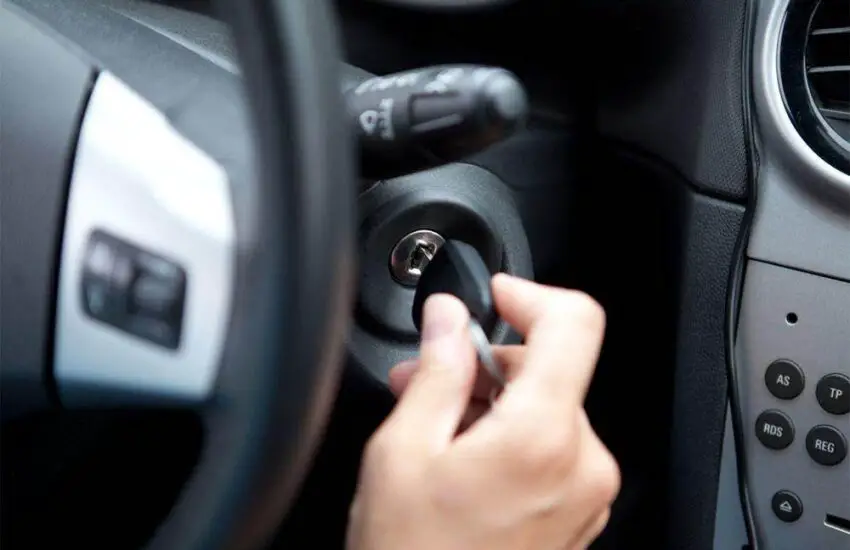
A faulty ignition switch can cause many problems. It can lead to the shutdown of certain electrical components, the car not starting, or stalling immediately after starting. You may need to replace the switch if the problem becomes severe or if the car does not respond at all. But you need to know how to test the ignition switch to determine that it is actually broken and needs to be repaired.
Symptoms of a Faulty Ignition Switch
Know the symptoms before concluding that you need to replace the component or learning how to test the ignition switch. A faulty switch will display these signs to warn of a potential problem.
Sudden Vehicle Stalling
This is the main sign that the ignition key is failing. If the failure occurs while the engine is running, it can cut power to the ignition and fuel system, causing the car to stall.
The Car Stalls After Starting
This happens when the switch fails in the “ON” position. It may power the fuel and ignition systems when the engine starts but stops working immediately after.
Problem Powering Accessories
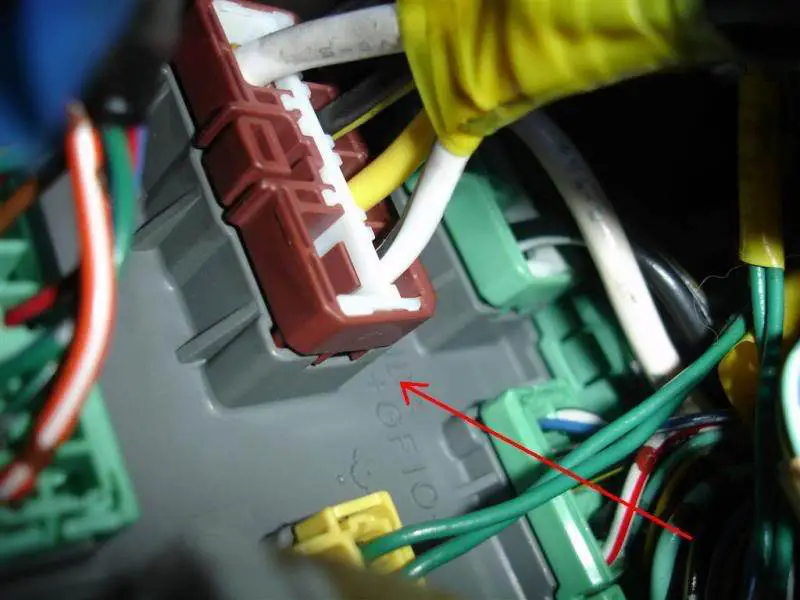
Turning the key to the “ACC” position should power the accessories. If this does not happen, there must be a problem.
How to Test the Ignition Switch: The Procedure
The function of this component is to provide voltage to the ignition control module and the ignition coil. The ignition system has two wires connected to the switch’s operating terminal. One goes into the module and the other connects to the primary resistance and the coil. The switch’s start terminal also has a wire connection to the module.
To inspect the ignition switch, it must be removed from its location and the resistance and continuity checked along all terminals. Before removal, it is necessary to check if the connections to the switch are working.
You can check the switch’s voltage using two tools: a 12-volt test light or a digital multimeter.
How to Test the Ignition Switch with a Test Light
Step 1: Disconnect the wire connector from the module after turning off the ignition. Also disconnect the S terminal from the starter solenoid. This will prevent the engine from starting even if you turn the ignition key to the ON position.
Step 2: Turn the ignition key and place it in the ON position. Probe the red wire connection to test for voltage. Do the same at the ignition coil’s battery terminal.
Step 3: Next, turn the switch to the start position and probe the white wire connector from the module and the ignition coil’s battery terminal to check for voltage.
The circuit and switch are faulty if there is no voltage.
How to Test the Ignition Switch with a Multimeter
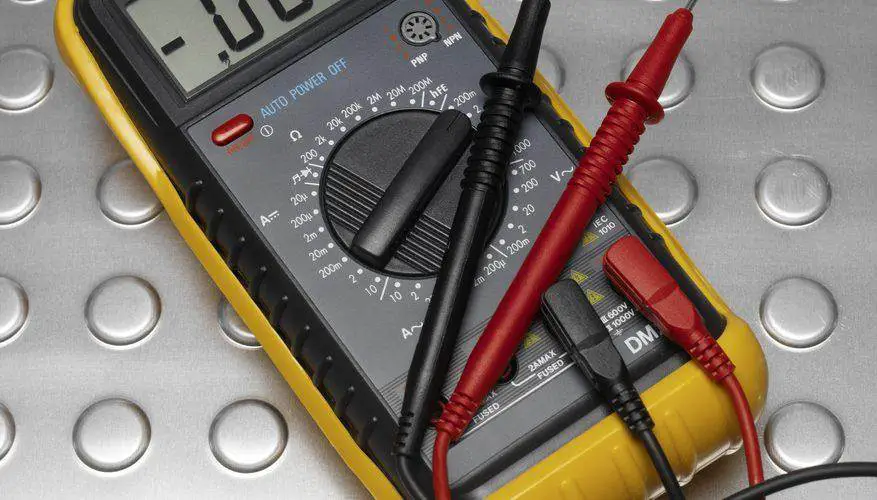
Turn the ignition key to the OFF position. Use the multimeter’s positive lead to probe the module’s power wire. The negative lead should go to a good ground on the distributor base.
Now, turn the key to the ON position and measure the voltage with the meter. Anything less than 90% of the battery voltage indicates a problem with the ignition system.