
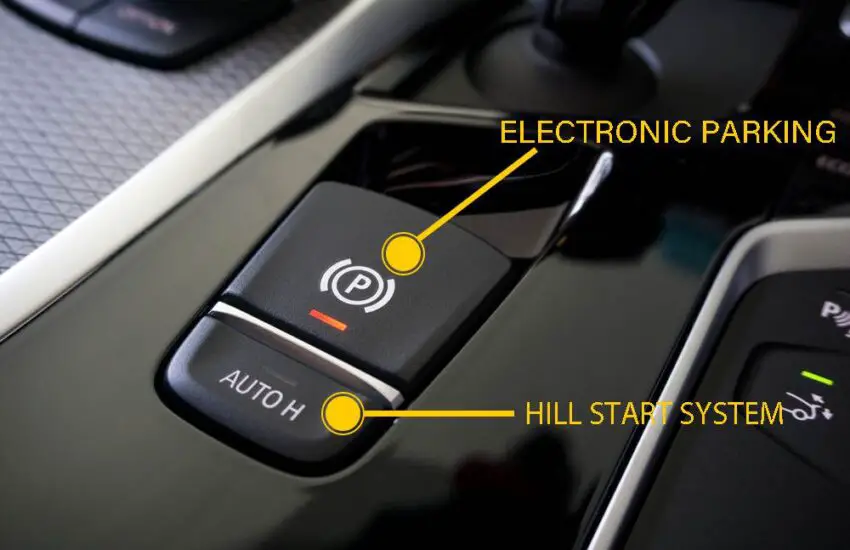
If you receive a pop-up on your car’s dashboard and an electric parking brake problem appears, you might wonder what happened to your car. Don’t worry! We are here to help. From faulty brake switches to electrical issues, we will cover everything in this article. Stay tuned to discover common electric parking brake problems and how to fix them.
What is an Electric Parking Brake?
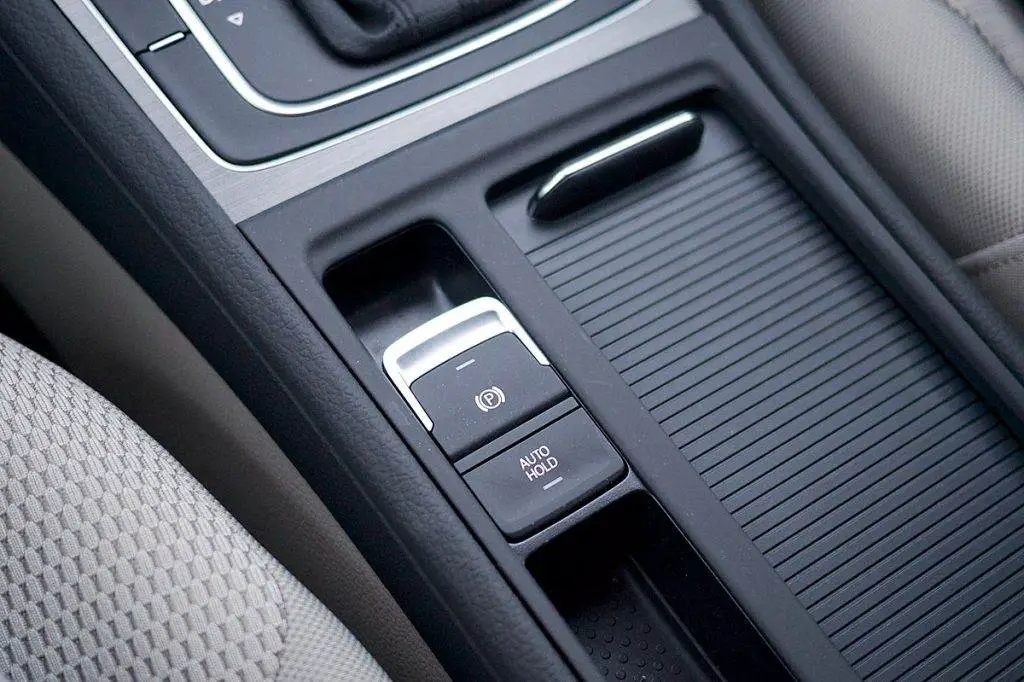
Electronic parking brake systems (or electronic handbrake) are becoming increasingly common in popular and high-end vehicles. This type of brake provides the driver with greater safety in stopping and parking situations.
The electric parking brake is identified by the letter P located in a circle near the gear lever or dashboard. The brake is controlled fully automatically; the driver does not need to use the lever but only has to press the vehicle’s electronic handbrake switch. At that moment, the electronic brake will immediately intervene in the vehicle’s braking system, thus eliminating the situation of forgetting to apply the brake or not pulling it within the driver’s reach.
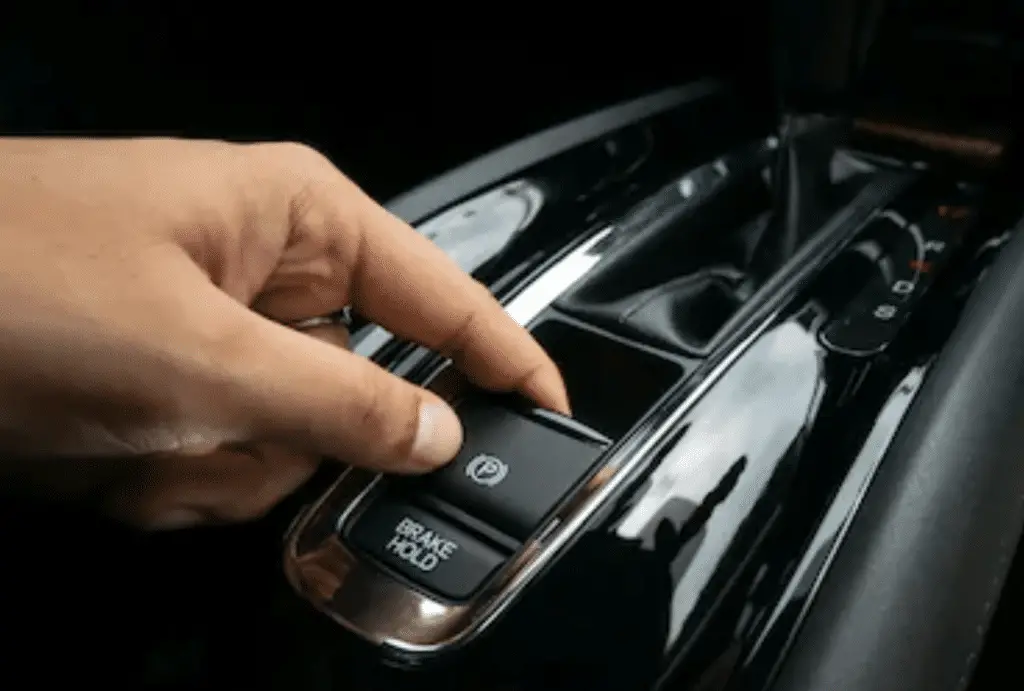
Using the electronic handbrake is very simple; the driver just needs to press the P button to activate it and then shift to P to lock the brake to keep the car stable in the parking position. To release the electronic handbrake, the driver presses the brake pedal and then presses the P button. At that point, the handbrake warning light will turn off, indicating that the handbrake has been released.
Let’s review some advantages and disadvantages of using the electronic parking brake in your car:
Advantages
- The electronic parking brake (EPB) was developed to optimize the safety braking function in cars, minimizing the dashboard and interior space. Thanks to this, vehicles using this type of handbrake are considered more luxurious and modern.
- The electronic handbrake has the feature of automatically disengaging when the vehicle is moving and automatically maintaining the brake when the vehicle stops on a slope, which will ensure safety while driving a car.
- The electronic braking system may not encounter problems such as mechanical parking brake errors or brake lock-up if the vehicle owner does not regularly maintain the vehicle. This is possible due to advanced design and operating principles. And this will help reduce maintenance costs for drivers.
Disadvantages
- Due to modern technology and more complex operations, electronic handbrakes cost more to produce and maintain than conventional mechanical brakes. Electronic parking brakes have a shorter lifespan than normal mechanical parking brakes if they are not periodically inspected and maintained.
- Furthermore, when the battery is depleted, the electronic parking brake may not function. Additionally, when using electronic brakes, drivers may sometimes notice a slight vibration in the vehicle.
Despite some superior characteristics compared to the mechanical braking system, the electric parking brake still has issues with the driving process that you may encounter when using this type of brake. If you notice the following problems, the car owner should immediately entrust the vehicle to a trusted mechanic to have the electronic parking brake checked.
Most Common Electric Parking Brake Problems
The risk of electronic parking brake failure is lower than with mechanical handbrakes, but it can still happen. Below are the most common problems associated with using electronic handbrakes:
- Electrical Errors
We believe this is the most common problem associated with using electric parking brakes. Electric parking brakes rely on an electrical system to activate and release the braking mechanism. Electrical malfunctions can occur due to wiring issues, connectors, or a blown fuse. If there is a problem with the electrical components, the parking brake may not engage or release as expected. If the parking brake does not engage or release when activated, it may require inspection and repair by a qualified mechanic.
- Sensor Problems
Many sensors are integrated to monitor the braking status and ensure the proper functioning of the electronic parking brake system. If there is a problem with the sensor, such as a faulty or misaligned sensor, it may provide incorrect feedback to the system, leading to parking brake malfunction.
- Mechanical Problems
The electric parking brake system consists of mechanical components such as cables, calipers, or actuators. Over time, these components can wear out, become misaligned, or get stuck. Mechanical failures can prevent the parking brake from functioning correctly, leading to issues with engagement or release.
We can see that the main cause of parking brake malfunction is a short circuit or open circuit in the wires or circuits between the switch, controller, and actuator. When the braking system fails, the brake light on the dashboard activates so the driver can detect the problem and fix it. Additionally, you may notice a burning smell due to the vehicle’s electronic handbrake being stuck and not functioning. And it is possible that the brakes wear out because the handbrake is still engaged while the vehicle is moving.
Watch more:
How to Fix an Electric Parking Brake Problem?
If you have encountered any of the problems mentioned in the section above, following the solutions below may help you resolve these issues:
Check Electrical Connections
Inspect the electrical connections, including cable harnesses, connectors, and fuses, to ensure they are secure and free from corrosion or damage. If you notice loose or damaged connections, repair or replace them as necessary.
Clean the Brake Mechanism
If the parking brake does not engage or release smoothly, dirt, debris, or corrosion may be affecting its operation. Thoroughly clean the brake mechanism, including cables, calipers, and actuators. And don’t forget to clean the brake switch button as this part can easily accumulate dirt. Use an appropriate cleaning agent and a brush or toothpick to remove any buildup or contaminants. Lubricate moving parts with the appropriate lubricants recommended by the vehicle manufacturer.
System Reset
In some cases, a system reset can resolve minor software or programming issues. Consult your vehicle’s manual to identify the procedure for performing a system reset on the electric parking brake. This may involve pressing specific buttons in a certain order or using diagnostic tools. Follow the instructions carefully to reset the system.
If you have tried the steps above and the electric parking brake problem persists, or if you are unsure about performing further troubleshooting, it is recommended to seek the assistance of a qualified mechanic or an authorized service center.
Improve the lifespan of electric parking brakes. Do not drive the vehicle when the brake warning light is still on. Although the electronic handbrake may disengage automatically when the vehicle is moving, if this happens multiple times, it will affect the braking system, causing it to fail quickly.