
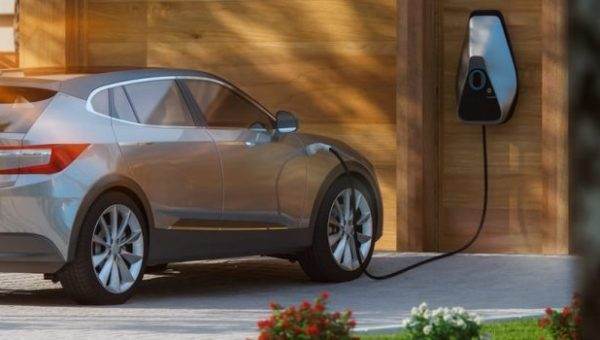

Electric cars are becoming increasingly common on roads worldwide. They offer several advantages over vehicles using internal combustion engines: they are significantly quieter, as they don’t require multiple explosions to provide torque; they are cleaner, as they don’t burn fuel and produce no exhaust released into the atmosphere; and they are incredibly efficient. Their main drawbacks have been the flaws in their technology, which are slowly being resolved, and the general lack of infrastructure to charge the batteries that serve as the EV equivalent of a gasoline tank. The ever-growing number of charging stations, along with ways to charge an electric car at home, are making this less and less of an obstacle to seamless electric vehicle driving.
WHAT IS A CHARGING STATION?
A more technical term for charging stations is “Electric Vehicle Supply Equipment” (EVSE). This can refer to any number of devices useful for recharging electric vehicles, whether in public or private. The European Automobile Manufacturers Association (ACEA) provides the following definitions for parts of EVSE: an outlet that supplies power, a plug that fits into that outlet, a cable made of insulated conductive material, a connector at the other end, and a vehicle inlet that accepts this connector and powers the electric car. We will focus on EVSE integrated into people’s private residences.
CHARGING AN ELECTRIC CAR AT HOME
Cars of any type spend a good portion of their time parked near their owners’ homes. Since this usually means they’re not going anywhere overnight, it would be the ideal time to recharge an electric vehicle or refuel its gasoline tank equivalent. And fortunately, the answer to whether you can charge an electric car at home is a resounding “yes”! There are two basic options to properly accomplish this feat:
Mains connection. Electric cars come with the necessary equipment to plug them into a standard outlet connected to the electrical grid. The advantage is the flexibility offered by being able to recharge the car almost anywhere. However, there is a huge drawback: charging a car this way is incredibly inefficient and can take more than a day under the worst circumstances. This method is best suited for emergencies or if the electric car is used infrequently.

Wallbox Chargers. These devices are integrated into the home electrical grid but have various features that enhance charging. Most are fast chargers that take much less time than the equipment provided with the car. Additionally, there are programmable variants that allow for customized charging times. This helps reduce the load on the electric car’s battery or enables charging during times of the day when electricity prices are lower, if applicable.
THE ADVANTAGES OF CHARGING A CAR AT HOME

The costs to properly charge an electric car in 2021 at public stations can vary significantly. Many charging stations cost £1.50 per hour, but faster chargers may require up to £3 for 45 minutes, not including an additional price per kWh consumed by the car.
Opting to install a home charging station can significantly reduce these costs, as now only the price of electricity determines the cost of charging an electric car (once the purchase and installation cost of the unit is deducted, of course).
HOW TO INSTALL AN EV CHARGER AT HOME
Consumers face the agony of choice when it comes to installing a home charging station for their electric car. Regardless of the system chosen, the home installation of an electric car charger should always be done by an expert with the necessary qualifications. There are dozens of options, but here are the different electric car chargers by type:
Fast or slow charging. Most wallboxes will provide AC electricity up to 7.4 kW. This is more than double that of a standard three-pin socket but only about a third of what faster 22 kW chargers can provide. DC and rapid charging devices are generally not available for home charging.
Smart charging. Additional features, such as programmable hours, help differentiate home charging stations from one another. Less complicated versions are cheaper but are at best less efficient and at worst risk long-term damage to the electric car’s systems.
The device can be installed almost anywhere on the premises of a private home but must naturally be near off-street parking. Wallbox providers typically handle the installation themselves, usually at no extra cost. The choice ultimately depends on how much one is willing to spend and the time it takes to charge the electric vehicle. Hybrids usually charge faster than fully electric vehicles.
THE BEST ELECTRIC CAR HOME CHARGER FOR YOU
This of course depends on your wants and needs as well as your electric vehicle’s specifications. As mentioned above, hybrids generally don’t require as much juice to operate as fully electric cars, meaning that lower-end devices may suit them perfectly for a full overnight charge. Check your car’s battery capacity and compare it to the different charging rates of the available wallbox types to determine how long it would take to fully recharge your vehicle. Also consider how often you drive your vehicle: the more you’re on the move, the more the battery capacity will be depleted, and the less time you’ll have to recharge the vehicle. A fast charger is more suitable in these cases. If you only drive rarely, a slower charger will suffice.