
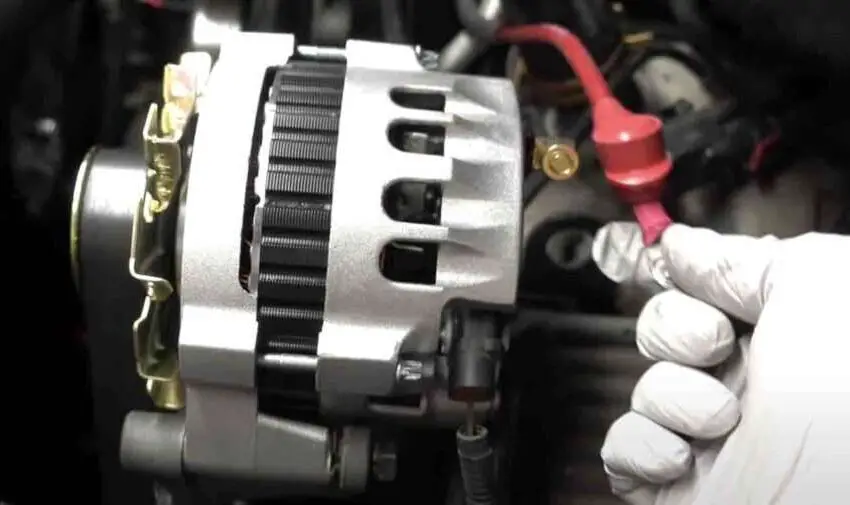
Do I want more amperes from my alternator or how can I improve the alternator’s amperage are common questions among car owners, and the good news is yes; there are various methods you can use to extract more amperes from your alternator, and I will discuss them in detail here in this guide.
Can I get more amperes from my alternator and how to improve the alternator’s amperage?
I will demonstrate which steps can help achieve this, as well as the benefits associated with it over time, while addressing whether a high-amperage alternator will damage my vehicle’s issues. So, what are the benefits of upgrading alternator amperage upgrade options or upgrading the benefits of upgrading alternator amperage or downgrading alternators?
Benefits of Higher Amperage Alternators
The output amperage of an alternator determines its battery recharge rate; higher amperage alternators charge faster due to their greater capacity to produce current at higher rates than those with lower amperages.
Increased amperage improvements may be possible; however, to be truly effective, you must also check that your cable harnesses can handle these increased amperage loads.
Improved alternator amperes ensure that your vehicle can meet any additional power demand, thus offering several benefits:
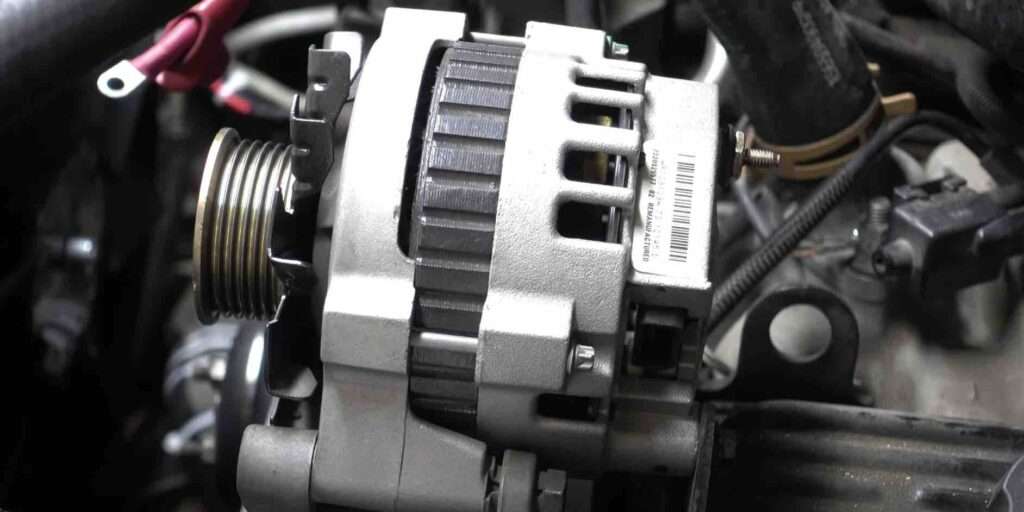
1) Improved Energy Efficiency:
Upgrading your car’s alternator allows it to produce more power at lower speeds, thereby reducing fuel consumption by up to 30% and improving mileage per gallon and emission levels in your exhaust system due to less gasoline burned during operation. This results in higher mileage per gallon as well as a reduction in its exhaust system emissions due to fewer burns during an operation.
2) Improved Engine Performance:
An upgraded alternator provides additional power to other engine components, such as spark plugs and injectors, to increase their efficiency for smoother acceleration and higher output power when most needed. Additionally, reducing the pressure on other parts like starters or air conditioning compressors, by not having to work against the weaker electrical current of standard units, can also extend battery life.
3) Extended Battery Life:
4.0 A better alternator means a longer battery life! Higher ratings mean more efficient battery charging cycles and, ultimately, more durable batteries before needing to be replaced or recharged.
How to get more amperes from the alternator.
To maximize alternator power, two strategies could help. Installing a smaller diameter pulley on the alternator shaft could increase the armature’s rotation speed and thus produce more amperes at any given engine speed, while maintaining cooling through higher fan speeds.
Secondly, consider upgrading or replacing it with a model designed to deliver higher output, for example by using high-performance parts such as robust rotors and stators available from spare parts suppliers as upgrades; both modifications should be relatively simple changes that can be accomplished using basic tools in a few hours.
Is a 145-ampere alternator sufficient?
Generally, most cars should not require more than 145 amperes from alternators as long as their electrical system is not overloaded by additional accessories and all unnecessary wiring requirements are safely met by this amount of output power from an alternator rated at 145 amperes for the correct and safe operation of an alternator rated at this level. In addition to having 40 amperes more than what many cars need today to operate optimally and safely.
This extra capacity protects against unexpected loads or surges that could otherwise compromise a car’s electrical system.
How much power can a 200-ampere alternator handle?
A 200-ampere alternator has the capacity to handle up to 2,400 watts when all its components are operating at optimal efficiency levels and working together optimally.
A 200-ampere alternator provides enough current to run multiple accessories at the same time; their respective amperage usage dictates their total power in terms of watts.
As an example, connecting multiple accessories directly to a single terminal could result in an abnormally low voltage drop and decreased output power for a particular accessory.
How many watts does a 100-ampere alternator support?
On average, 100-ampere alternators support up to 1,200 watts depending on their type and size. Most commonly, these 100-ampere alternators have peak output capacities up to this amount of power.
Engine speed (RPM), voltage regulator settings, and battery condition all play a crucial role in how many watts a 100-ampere alternator is capable of producing. The amount depends on factors such as input voltage and rated output current as well as the battery’s state of health.
What size alternator is needed for 3000 watts? Generating up to 3,000 watts requires at least 250 amperes; however, various factors must also be considered, such as engine performance and fuel economy, when selecting an alternator capable of creating that much power.
Fuel tank capacity is essential when working with high power like this, as higher power requires more electricity from the battery, creating additional pressure on both components.
Ensure all wire connections can handle maximum current consumption without overheating or short-circuiting due to poor insulation quality; otherwise, any increase in load could cause severe damage.
Alternator Amperage by VIN
To determine your vehicle’s alternator amperage by VIN, consult its owner’s manual or see a mechanic who has access to specialized tools like an oscilloscope or a digital multimeter (DMM).
Digital multimeters provide technicians with an effective method to measure output voltage at different points to calculate the current flowing through individual components of their systems, thus helping them accurately diagnose any potential issues within them.
Will a high-output alternator damage my car?
A high-output alternator will generally not harm, damage, or injure your car, but you must ensure that the new higher amperage is compatible with your vehicle’s model and your car’s electrical system load. Keep in mind that upgrading to a high-output alternator may also require upgrading the battery or wiring and proper installation to avoid potential issues.
How to Improve Alternator Amperage
Increasing your alternator’s amperage is a way to give more electricity to your vehicle if you need power-hungry accessories, thus providing essential extra power during their operation. Here is a step-by-step guide on how you can proceed:
Step 1: Acquire the Necessary Equipment
To properly install your high-amperage alternator replacement on your vehicle and obtain replacement wires suitable for its higher output amperage. Your alternator manufacturer should specify which gauge will best meet these requirements.
Step 2: Disconnect the Battery
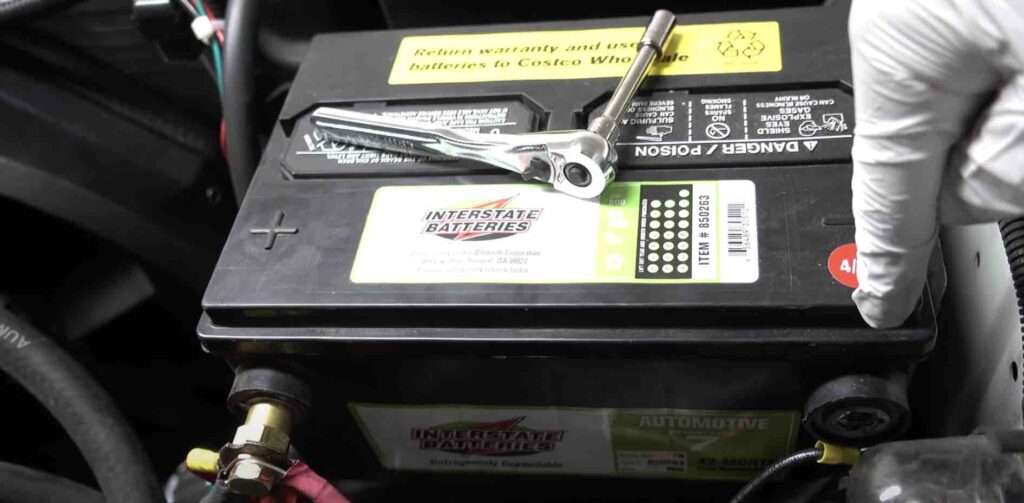
Before starting work on any aspect of your vehicle’s electrical system, always disconnect its battery starting with its negative terminal. This ensures that no short circuits occur or you get injured during this step.
Step 3: Unbolt Your Existing Alternator

Release tension on the alternator belt and detach it from its pulley on the alternator, disconnect all cables behind it, then unbolt its mounting brackets before disconnecting all wiring connections at the back of the alternator.
Here are the steps to follow to remove an alternator. Caution, do not take the necessary steps to reinstall the new alternator.
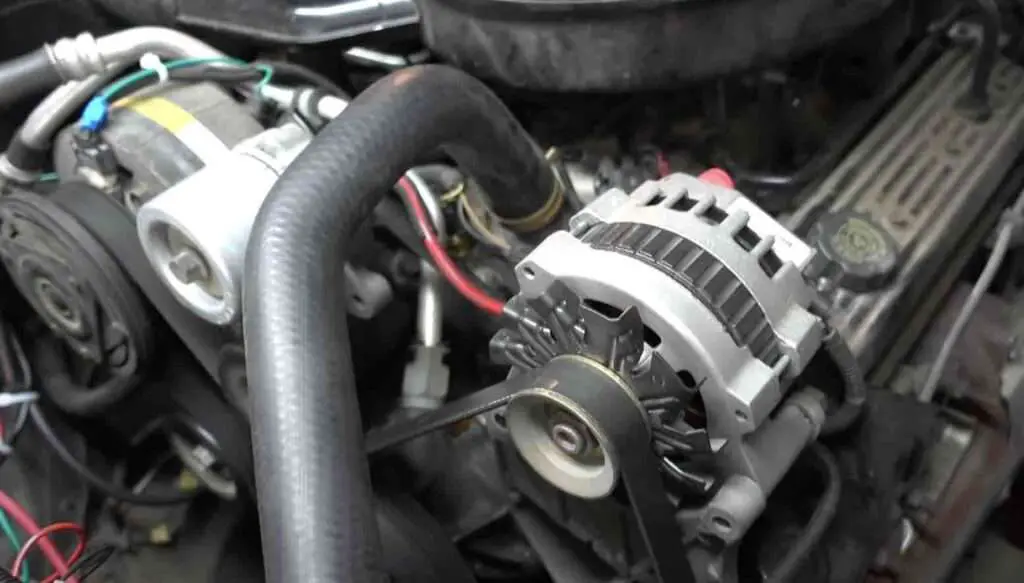
- Step 1: Disconnect Your Battery: Before starting work on your car, make sure to disconnect its battery to avoid accidental electrical discharge. Start by disengaging its negative terminal.
- Second Step: locate your alternator : Your alternator is usually located near the front of your engine. For easy access, it may be situated on top for convenient viewing; in some vehicles, it can even be found at the base. An alternator looks like a round device with a pulley attached in front.
- Step 3: Loosen the Tensioner: To remove an alternator, you will first need to loosen the tension of the serpentine belt by turning a bolt on a belt tensioner; this usually involves turning one or more bolts located in its pulley that maintain a tight belt tension; as soon as you loosen a bolt on this tensioner pulley, it will move and the belt tensioner will loosen. However, on some vehicles, additional measures might need to be taken, such as loosening an appropriate bolt directly on the alternator itself to relieve the effects of belt tension.
- Step 4: Removal of the Alternator Belt: Once the belt is loosened, simply slide it off its pulley at the alternator pulley. Be careful not to disconnect it completely from its engine, as this would prove more difficult if you attempted to reroute it later.
- Step 5: Disconnect the Alternator Wiring: Your alternator likely has one or two wire connections at its rear end: a large wire that carries its output directly to the battery and another smaller plug used to control it via signals from your vehicle’s computer system. Unbolt both connections by loosening their bolts; unplug or plug the smaller connector to remove it.
- Step 6: Unbolt the Alternator: Your alternator is usually secured in place with two to three bolts located near its front or rear bracket. Be careful when unbolting these bolts so that they are safely kept for future reinstallation of your alternator.
- Step 7: Disassemble and Install an Alternator: Once all wiring has been disconnected and bolts removed, you should be able to lift and gently slide your alternator out of its bracket. Jiggle it a few times until it is free.
Step 4: Install the New Alternator
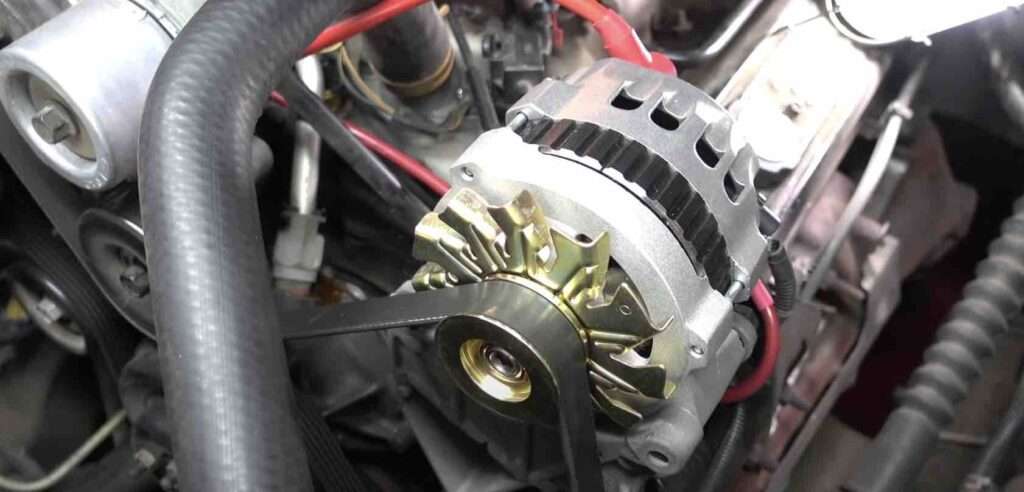
Install your new high-amperage alternator using the mounting brackets. Secure its higher gauge wiring using wire crimping tools if necessary to secure its connections to its connectors.
Step 5: Replace the Wiring
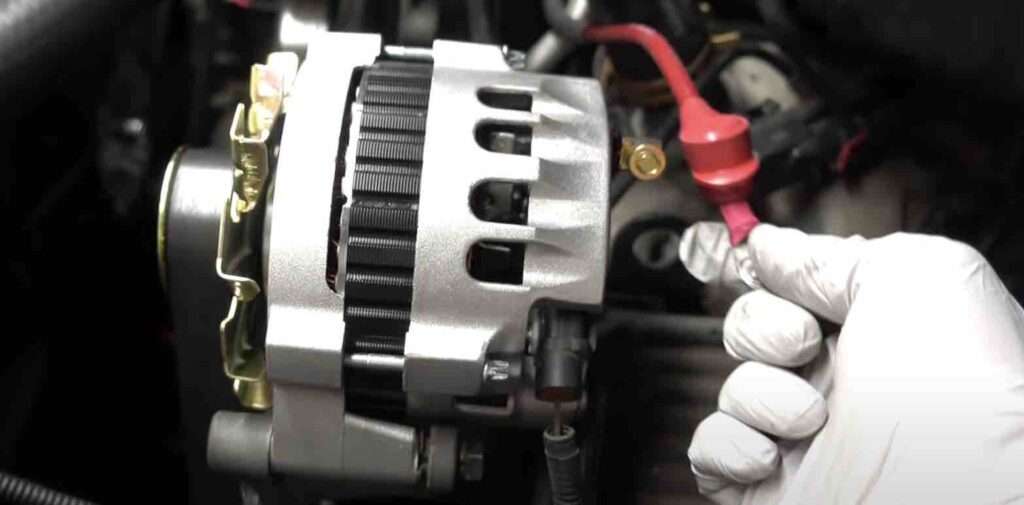
Securing your new alternator may require an increase in amperage to function properly; if this happens, upgrade its wires from the alternator to the battery using thicker gauge wires – as a general rule, lower gauge numbers indicate thicker wires that can carry more current.
If this proves impossible, consider upgrading their gauge or simply replacing them with wires from another alternator of higher output amperage – in any case, the alternator should connect better.
Or you can also replace the existing alternator wiring from the alternator to the battery with thicker gauge wires from the alternator; otherwise, replace them as soon as you install its replacement alternator-battery cable using thicker gauge wires than the current.
Step 6: Reconnect Your Battery and Test the System
Reconnect your battery and test the system starting with the positive terminal, then moving to the negative, reconnect all cables to their appropriate terminals before starting your vehicle and measuring its voltage with a multimeter; an efficient charging system should display about 14 volts on this indicator.
Remember that each vehicle varies in terms of make and model; therefore, these steps may differ depending on how your installation proceeds.
Conclusion Before upgrading your alternator to increase amperage, several aspects must be carefully considered; among these, compatibility is the main concern.
And I have shown you in this article how to improve alternator amperage while highlighting the benefits of a higher amperage alternator and addressing the question of whether a high-output alternator will harm my car.