
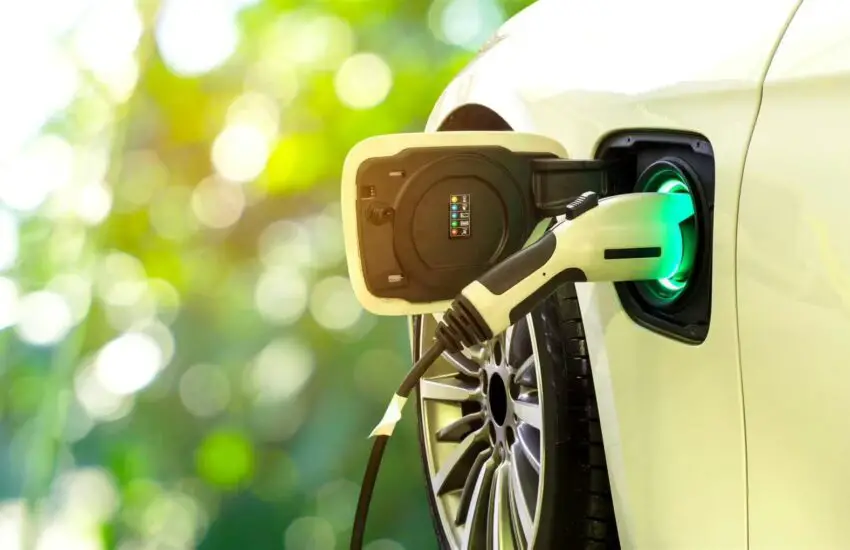
Electric cars are making a lot of noise in the automotive industry. The trend is now towards green cars. While the demand for electric vehicles is rising, the supply of new and used electric vehicles is limited. A popular option is to convert a car into an electric vehicle.
Many engineers and car enthusiasts have successfully converted a used gasoline car into an electric car. You can be assured that there are many conversion kits and parts on the market designed for many specific car models.
Discover here the steps to follow to convert a car into an electric car with a list of the best used car models for different needs.
Can you convert a car into an electric car? – The Criteria
While a gasoline vehicle or a diesel car uses an internal combustion engine to produce energy, an electric car draws its power from batteries. The other components of these cars are basically the same, so in general, any vehicle can be converted into an electric vehicle.
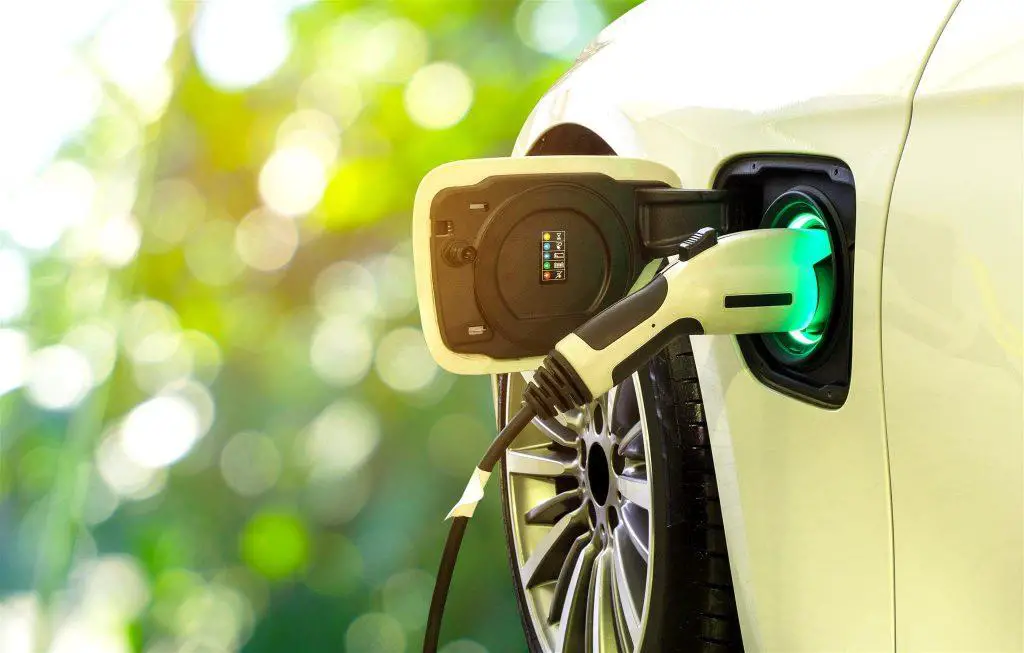
However, some cars make such a conversion easier and more optimal. What are the criteria that make a car a better option for conversion?
Light Weight
The lighter the vehicle, the less energy the battery uses to move it. A lightweight converted car means better energy efficiency. This also allows the battery of the converted EV to have a longer “range,” meaning the battery will need to be recharged less frequently, which ensures a longer battery life.
Space for Batteries
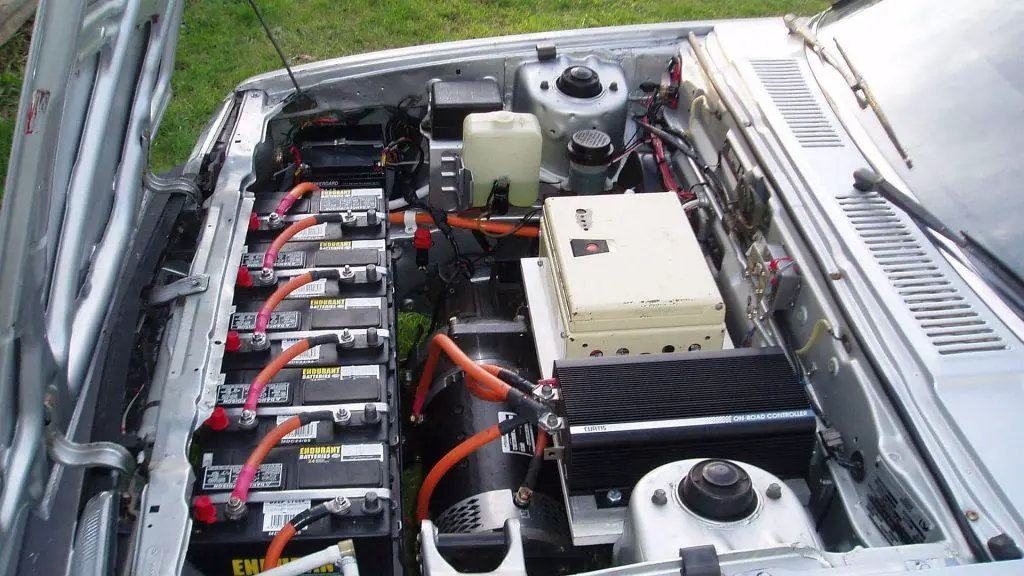
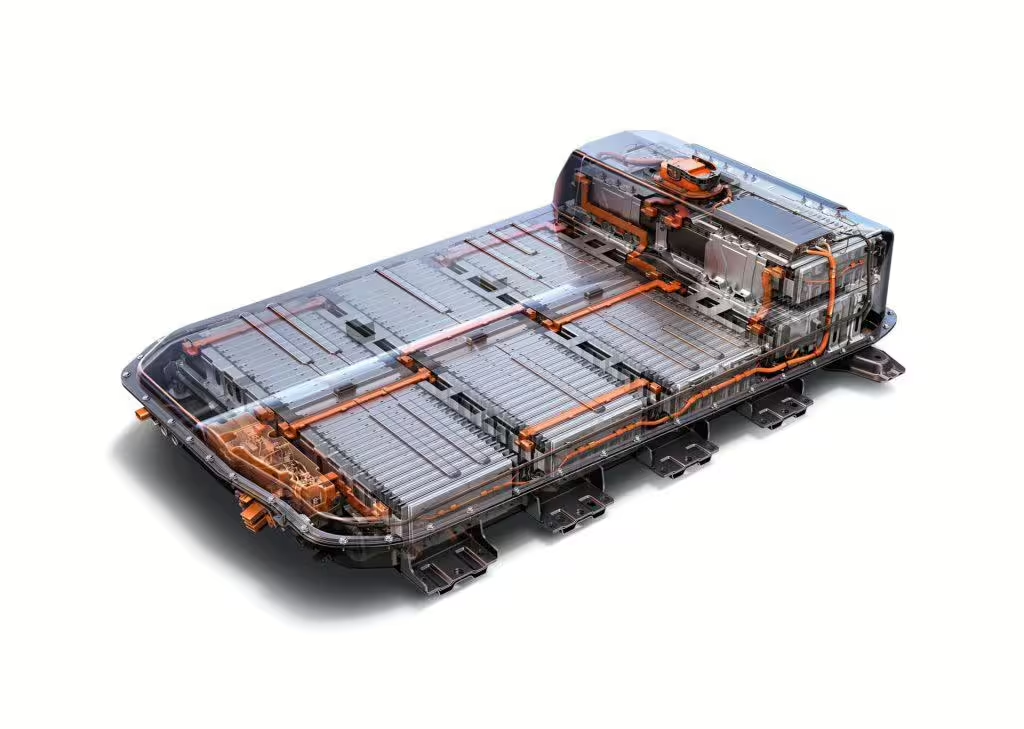
The most important component of an electric car is its battery. Therefore, an ideal car for conversion must have plenty of space. Batteries must be well protected from heat, as it negatively affects the chemical reactions that occur inside the batteries.
Thus, batteries will typically be located inside the loading compartment or under the seats to keep them well covered.
A Solid Structure
Batteries are not only bulky but also heavy. A converted electric car will weigh a few hundred kilos more than with the gasoline engine, transmission, and a full tank.
With this extra weight, the car used for conversion must have a robust chassis design and adequate spring capacity to support this load and withstand the vibrations and forces caused by the car’s movement.
A chassis is the basic structure of a car. It can consist solely of the frame or also include the wheels and transmission, and sometimes even the car’s seats.
A Car in Good Condition
When you buy a used car, it is best to have it thoroughly inspected by a technician. Even though you won’t have to worry about the engine, the used car intended for conversion must have essential components in good condition, including brakes, steering, and suspension.
Manual Transmission
Cars equipped with a manual transmission are often chosen for conversion, as they allow the gear and axles to be kept in place.
Unlike a gasoline engine, an electric motor delivers 100% of its power instantly and continuously, so it will not need the multiple gears found in conventional vehicles.
How much does it cost to convert a car to an electric car?
According to automotive experts, the cost of converting a car to electric can range between $8,000 and $12,000, not including the cost of the “donor” car. The battery alone for an electric vehicle typically costs thousands of dollars.
In exchange for this initial cost, you can expect to save more money by using an electric vehicle. Since an electric vehicle has fewer moving parts than a gasoline vehicle, an electric vehicle is not prone to wear and tear and routine breakdowns, does not need regular oil changes, seal replacements, and many other regular maintenance tasks.
The Best Compact and Economical Cars
Meeting all the above criteria, the most popular choices for converting a car to an electric car are these subcompact cars:
- Chevrolet Aveo
- Geo Metro
- Honda Civic
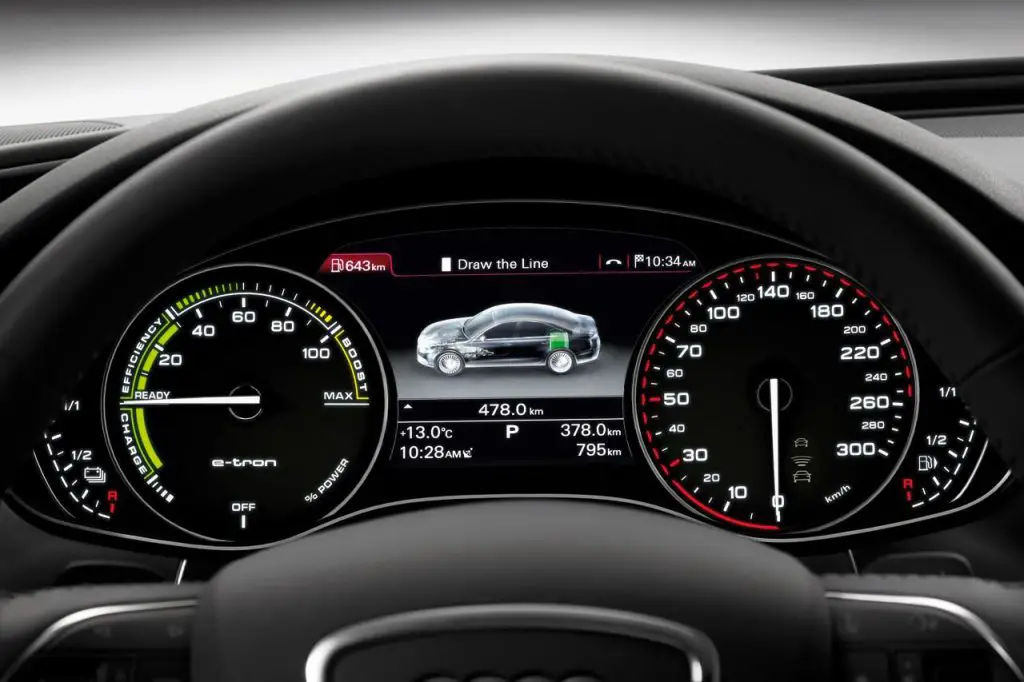
The Best Pickups
If you need more space and compact cars are not your cup of tea, you can choose from these small two-wheel drive pickups:
- Chevrolet S10
- Ford Ranger
- Toyota Truck
- Nissan Body
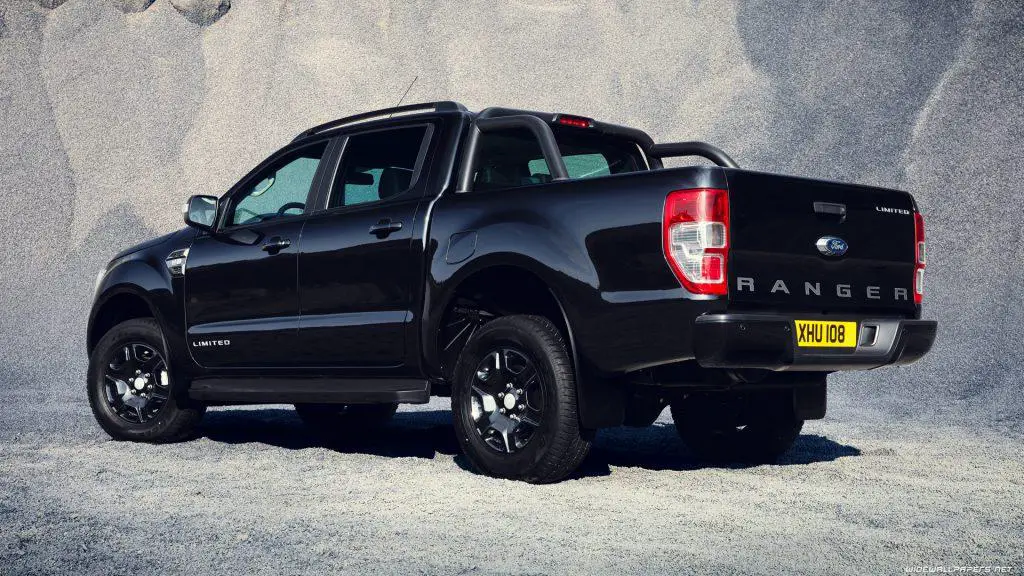
The Best Low-Budget Cars
Green cars are the future of the automobile. However, embracing the future does not mean you have to forget the past. How about owning a classic model but with an internal “green engine”?
If you have a larger budget, you can opt for these classics to transform them into beautiful electric vehicles:
- Porsche 911
- Porsche 924
- Porsche 929
- Volkswagen Beetles
- Volkswagen Golf
- Ford’s Mustang
- Triumph Spitfire
- Triumph GT6
- Mazda Miata
- Toyota MR2
- Fiat 124 Spider
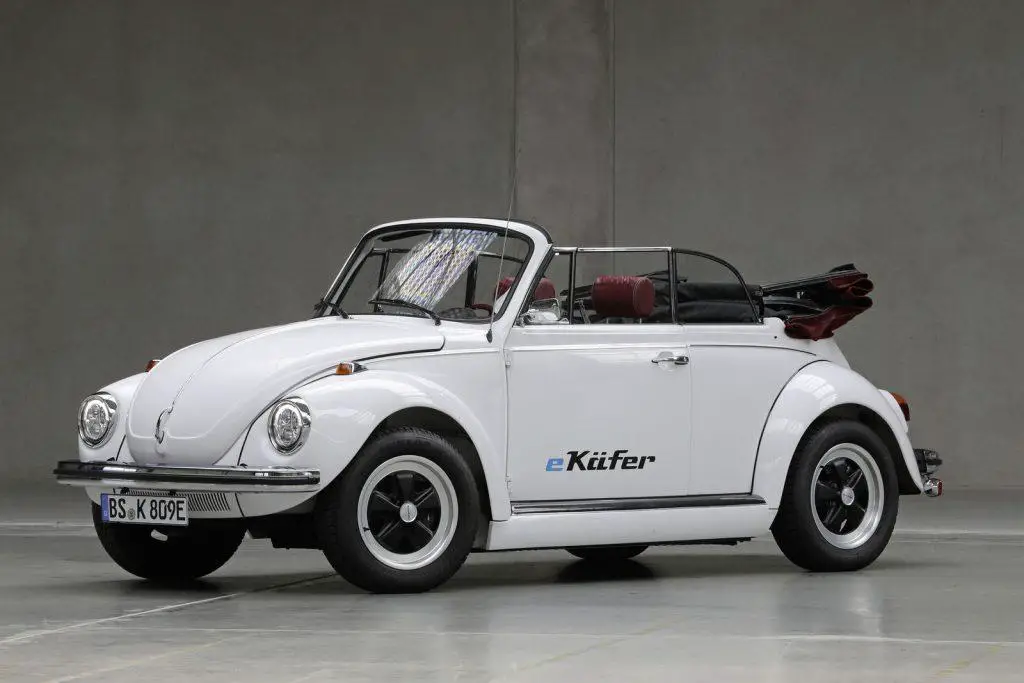
The Volkswagen Beetle is indeed very popular for conversion to an electric car. The electric conversion of the classic Beetle is offered by so many aftermarket companies that Volkswagen eventually decided to get in on the action. The VW e-Beetle has 81 hp and a top speed of 93 mph.
The range is estimated at 200 km, meaning the electric Beetle needs to be recharged every 200 km. It also features DC fast charging, allowing a charge of about 75% in just one hour.
How to Convert a Car to an Electric Car
Once you have done all the research and determined the model to convert, the steps to convert a car to an electric car are quite simple.
- Remove the components of the old internal combustion engine. These include the engine, fuel tank, muffler, exhaust, starter, and radiator.
- Prepare the mounts for the electric motor and replace the old engine with the motor. The size of the motor will depend on the available space in the car and your preference in terms of power.
- The electric motor is powered by a battery. Prepare the mounts for the battery and place the battery in the car. Lithium batteries are the best choice. The number of batteries used also depends on the available space.
- Install the power controller in the car. The power controller is needed to regulate the power flow between the battery and the motor.
- Add other necessary hardware, including a charging system to charge the batteries and a number of other hardware to operate the car’s air conditioning, heating, and steering systems.
- Add wiring to connect everything together.
- Charge the batteries and your converted electric car is ready.
- Before driving your new vehicle on the road, make sure you have registered it according to your state’s laws.
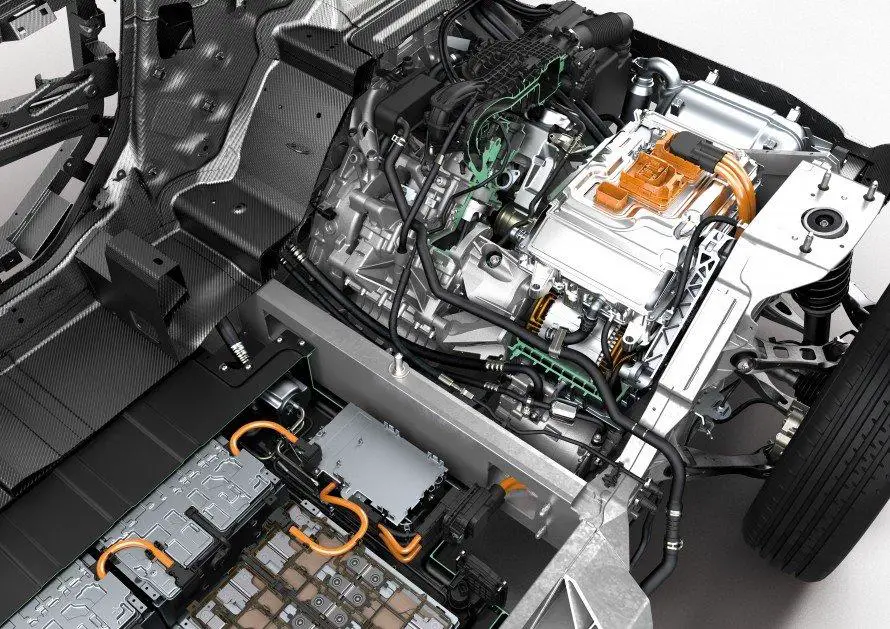
Instead of buying a new car, convert it to an electric car to have more possibilities of owning a customized vehicle well suited to your needs and preferences. Now that you know how to convert a car to an electric car, make sure your converted electric vehicle lasts for many miles with our practical maintenance tips.
Top 10 Used Cars Easy to Convert
- Volkswagen Golf IV/V: Robust chassis, generous engine space.
- Renault Twingo I: Light weight (800 kg), ideal for small batteries.
- Peugeot 106: Mechanical simplicity, active conversion community.
- Citroën Saxo: Low costs, compatibility with Transition-One kits.
- Fiat 500 (old generation): Compact design, rear-wheel drive for optimal battery distribution.
- Classic Mini Cooper: Reduced weight, high demand for conversion parts.
- Toyota MR2: Perfect weight/power balance, ideal for an axial motor.
- BMW E30: Spacious trunk to house Li-ion batteries.
- Volkswagen Beetle: Mythical conversion, abundant documentation.
- Mazda MX-5 NA/NB: RWD transmission, popularity in DIY projects.
Conversion Kits: Brands and Costs
| Supplier | Price | Specifics |
|---|---|---|
| Electric Classic Cars | €15,000–25,000 | Custom kits for classic cars. |
| EV Europe | €10,000–18,000 | Brushless motors, Tesla-compatible controllers. |
| Transition-One | €8,500–12,000 | Certified conversions for Twingo, Saxo, etc. |
| OpenInverter | €3,000–7,000 | Open-source solutions (used Tesla Model S motors). |
- Recommended Motors:
- Axial motor (e.g., Hyper9): 50–100 kW, easy to install.
- AC synchronous motor (e.g., Tesla Small Drive Unit): 200–300 km range.
Critical Technical Steps
- Removal of the thermal powertrain: Keep the gearbox (unnecessary in full electric conversion).
- Installation of the electric motor:
- Front-wheel drive: Motor in transverse position.
- Rear-wheel drive: Motor mounted on axle (e.g., BMW E30).
- Battery Integration:
- Location: Under the floor (flat batteries) or in the trunk (Tesla modules).
- Safety: Waterproof casing, liquid cooling system (e.g., BMW i3 modules).
- Electronic Management:
- BMS (Battery Management System): Mandatory for balancing cells.
- Controller: Adjust power via open-source software (e.g., VESC).
Legislation and Homologation (France/EU)
- Technical Inspection: Mandatory after conversion (Article R321-16 of the Highway Code).