
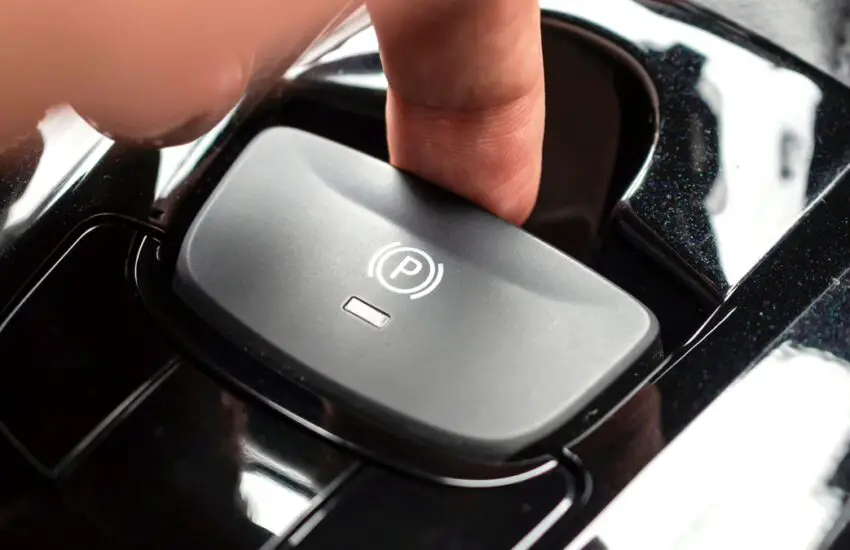
A parking brake has only one function. If it cannot accomplish this task, it is rather useless. Yet, parking brake problems are surprisingly common, affecting both manual and electronic systems.
Regardless of the type of issue, a faulty parking brake can be more than just an inconvenience; it’s a safety problem. Let’s look at some of the most common parking brake problems, how to fix them, and how much it will cost you.
2 Types of Parking Brake Systems
Before addressing specific problems, let’s review the two main types of parking brakes you’ll encounter:
- Manual Parking Brakes – These are the traditional systems operated by hand or foot. You might find a lever between the front seats, a pedal near the footrest, or sometimes a handle on the dashboard.
- Electronic Parking Brakes (EPB) – More common on newer vehicles, these systems engage with a simple push (or pull) of a button, automatically applying braking force.
Throughout this article, I will specify whether each problem applies to manual systems, electronic systems, or both.
It’s worth noting that the “parking brake” goes by several names. You might also hear it called an emergency brake (e-brake), hand brake, auxiliary brake, or emergency parking brake.
Although these terms are often used interchangeably, they all refer to the same system designed to keep your vehicle stationary when parked.
Common Parking Brake Problems
Now that we have the basics, let’s get into the details of different parking brake problems. I will break down each problem, explain how to spot it, and give you some solutions to try before spending money at the mechanic.
1) Stuck or Frozen Parking Brake (Both Types)
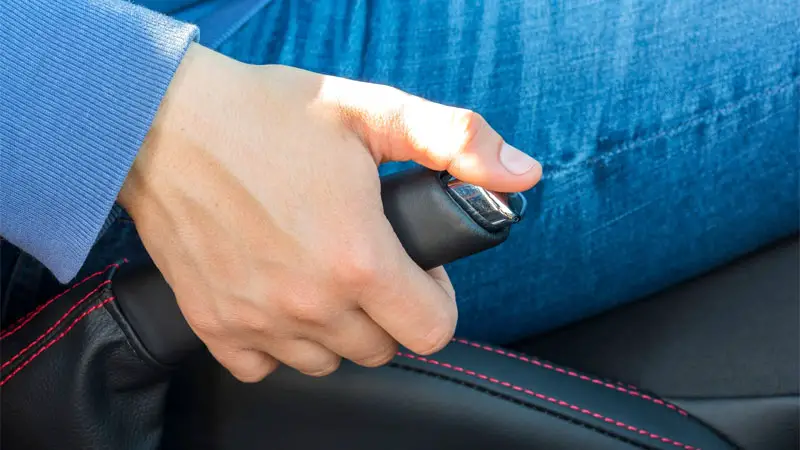
Have you ever tried to release your parking brake and found it stubbornly staying in place? You might have a stuck or frozen brake on your hands. This annoying problem can affect both manual and electronic systems, although the causes may differ.
Symptoms:
- The parking brake does not release
- You hear a grinding noise when trying to drive
- The parking brake warning light stays on even after “releasing” it
How to Fix It:
To start, don’t panic and don’t force it. If you have a manual system, try gently pulling and releasing the lever several times. This might help break up rust or debris causing the jam.
For electronic systems, consult the owner’s manual. Many vehicles have a manual release procedure for emergencies. If that doesn’t work, try turning the car off and on again (yes, really, sometimes for electronic issues, it’s that simple).
If you have frozen brakes due to cold, try letting the car warm up a bit. The engine heat might do the trick.
2) Parking Brake Doesn’t Hold (Both Types)
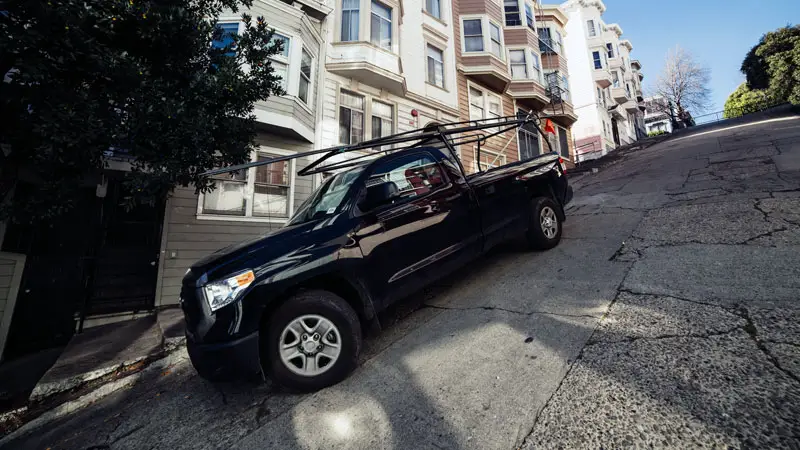
If after engaging the parking brake, you feel a subtle, disturbing sensation as if your car is still moving forward or backward, the brake isn’t doing its job. Hopefully, you’ll notice this before getting out of the vehicle.
Symptoms:
- The car rolls even when the parking brake is fully engaged
- You have to leave the car in gear (manual transmission) or turn your wheels against the curb to keep the car in place (even though that’s not a bad idea anyway)
- The brake lever/pedal feels loose or doesn’t offer much resistance when engaged
How to Fix It:
First, check if your brake just needs a simple adjustment. For manual systems, you might be able to tighten the parking brake cable yourself. It often just involves turning an adjustment nut (consult your owner’s manual or a service manual).
For electronic systems, a recalibration might be needed, such as holding the switch in the “engage” position for 30 seconds, then in the “disengage” position for another 30 seconds. But don’t be fooled. Be sure to consult a model-specific service manual or do some online research.
If adjustment doesn’t solve the problem, the brake pads/shoes might be worn, the cable stretched, or, in the case of electronic systems, an actuator might be faulty. These issues usually require professional attention.
3) Broken or Frayed Parking Brake Cable (Manual)
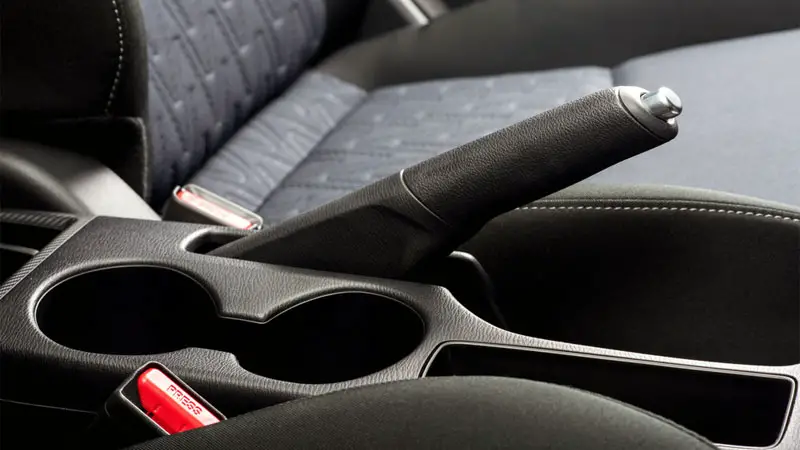
You know that satisfying click-click-click when you engage the parking brake? Well, that’s all thanks to a hard-working cable. But like a worn-out rubber band, these cables can stretch, fray, or break over time.
Symptoms:
- The parking brake lever lifts too easily
- You can pull that lever all the way up and the car still rolls.
- The brake releases but won’t engage again
How to Fix It:
Unless you’re an experienced DIYer, it’s best to leave this task to the professionals. Replacing a parking brake cable often requires getting under the car and dealing with hard-to-reach places.
4) Electronic Parking Brake Malfunction (Electronic)
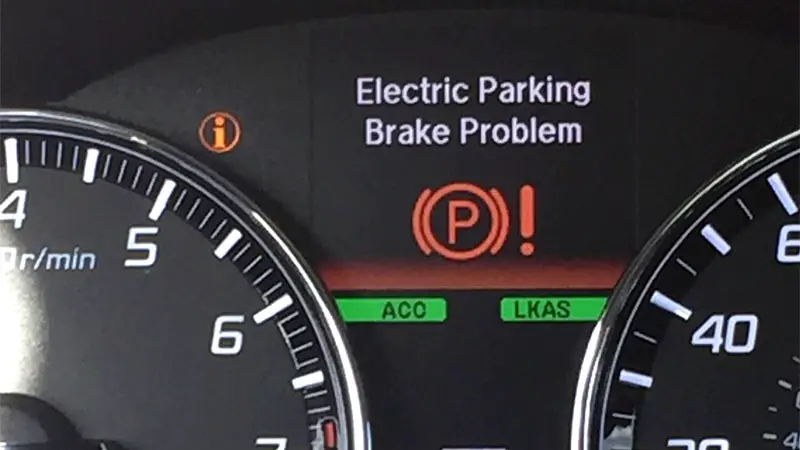
Electronic parking brakes are increasingly common in modern vehicles. Although these systems are convenient and integrate seamlessly with other vehicle functions, they are not immune to malfunctions. When electronic parking brakes fail, the problem often stems from sensor issues or control module errors.
Symptoms:
- The parking brake warning light stays on
- The brake won’t engage or disengage
- You hear the motor running but nothing happens
- Your car’s infotainment system throws a fit (i.e., error messages)
How to Fix It:
First, consult the owner’s manual for reset procedures. Sometimes, simply holding the button down for 30 seconds works. If that doesn’t work, you might need to connect a diagnostic tool to see what’s really going on.
5) Rust and Corrosion (Both Types)
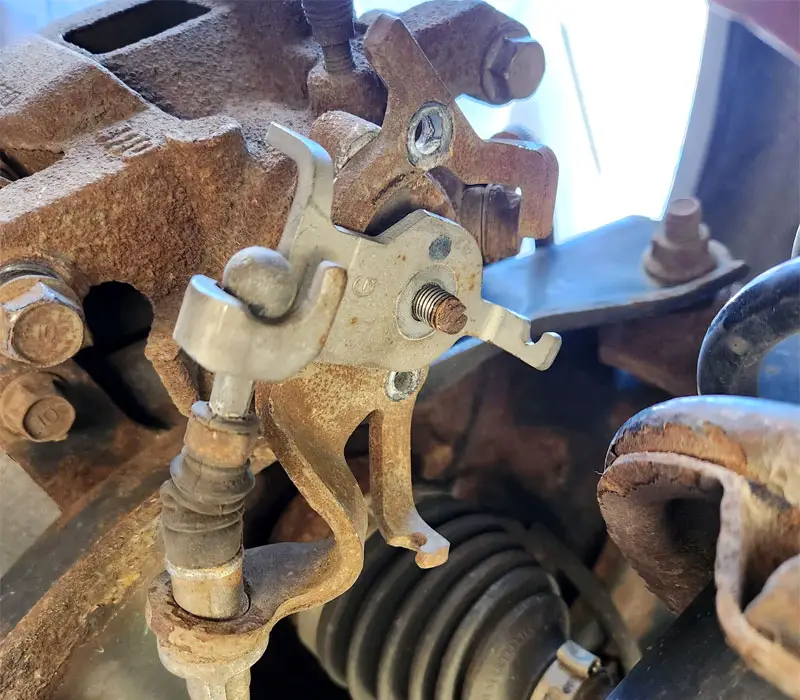
Rust: the silent killer of all things metal, including your trusty parking brake. This sneaky problem can affect both manual and electronic systems, potentially compromising their functionality and reliability. Vehicles in coastal areas or in regions of the country where road salt is used in winter will be most susceptible.
Symptoms:
- The parking brake feels sticky or squeaks when you use it
- The brake sticks in the engaged or disengaged position
- Visible rust on exposed brake components
- Squeaking or scraping noise when engaging the brake
How to Fix It:
If you catch it early enough, you might save yourself a hefty repair bill. Try working the brake back and forth to remove light rust. For manual systems, a bit of penetrating oil on the cable can work wonders. Just avoid getting it on the brake pads or shoes.
6) Warning Light Problems (Both Types)
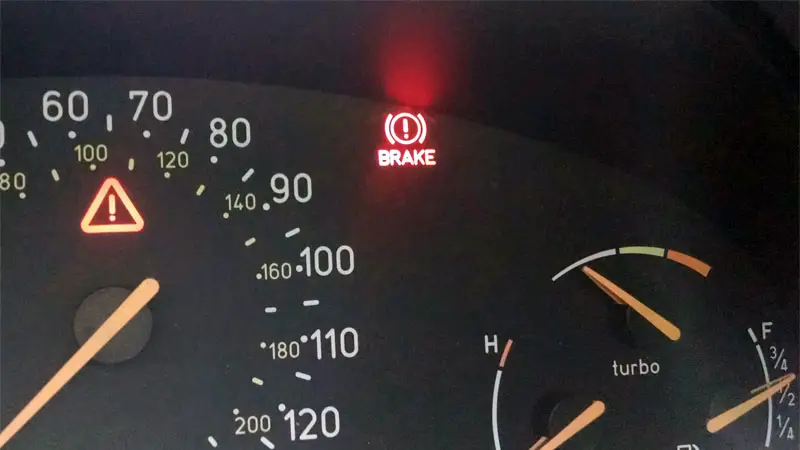
Modern vehicles, whether equipped with manual or electronic parking brakes, often have warning lights on the dashboard to indicate the parking brake status or potential problems. These warning lights serve as indicators of system functionality and can signal issues in either type of parking brake mechanism.
Depending on the vehicle manufacturer, these warning lights may include a “P”, “!”, “EPB”, “Service Parking Brake” message, or something else.
Symptoms:
- The parking brake warning light stays on even when the brake is not engaged
- The light flashes intermittently
- The light does not come on when the parking brake is engaged
- The light comes on while driving
How to Fix It:
For both types of systems, start by checking if the parking brake is fully released. In manual systems, make sure the lever or pedal is completely released. For electronic systems, try engaging and releasing the brake several times.
If the light persists:
- For manual systems – Check the condition of the parking brake cable and ensure it is properly adjusted. Look for any visible damage or excessive play.
- For electronic systems – Try completing the parking brake reset procedure or disconnecting the car battery for a few minutes.
If these steps don’t resolve the issue, the problem might lie with the brake switch, wiring, or electronic systems, the control module. At this point, it’s best to use a diagnostic scanner to read error codes or schedule an appointment to have your vehicle inspected.
If the light persists:
- For manual systems – Check the condition of the parking brake cable and ensure it is properly adjusted. Look for any visible damage or excessive play.
- For electronic systems – Try completing the parking brake reset procedure or disconnecting the car battery for a few minutes.
If these steps don’t resolve the issue, the problem might lie with the brake switch, wiring, or electronic systems, the control module. At this point, it’s best to use a diagnostic scanner to read error codes or schedule an appointment to have your vehicle inspected.
Q: How often should the parking brake be used?
It is recommended to use the parking brake every time you park your vehicle. Regular use helps maintain the system’s components and prevents issues like rust or seizing mechanisms. It also provides an additional safety measure beyond just putting the transmission in “Park.”
Q: Is the parking brake necessary for vehicles with automatic transmission?
Yes. Although automatic transmissions have a “Park” function, this only locks the transmission. The parking brake provides an extra layer of security, reducing strain on the transmission and ensuring the vehicle remains stationary, especially on slopes.
Q: Can the parking brake be used in an emergency if the primary brakes fail?
The parking brake can serve as an emergency brake in a crisis, but it is not designed for quick stops at high speeds. If used in an emergency, apply steady, increasing pressure and be prepared for reduced braking power compared to the main brakes.
Q: What is the average lifespan of parking brake systems?
With proper use and maintenance, parking brake systems can last the life of the vehicle. However, components may require adjustment or replacement after approximately 100,000 miles, depending on usage habits and environmental factors.
Q: Why did my electronic parking brake make a loud cracking or popping noise after my car sat overnight following a wash?
This noise is usually due to moisture from the wash. Water can accumulate around brake components, causing slight surface rust or minor sticking of the brake pads to the rotors. Upon the first disengagement, this can produce a grinding or popping noise.
Generally, this noise is harmless and goes away almost immediately. However, if the noise persists or affects brake performance, have it checked by a professional. If the noise bothers you, briefly engage and release the parking brake right after washing and before letting the car sit parked.