
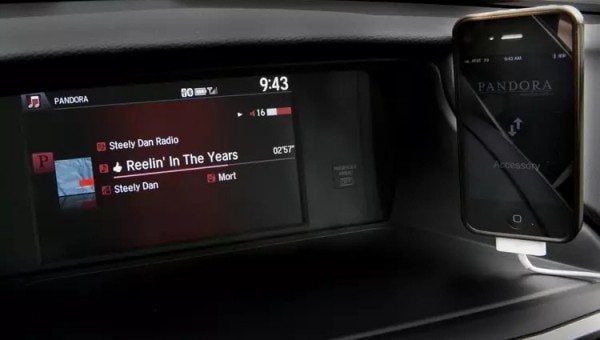

The promise that you’ll be able to connect to the Internet, listen to music from your own device, get step-by-step navigation instructions, and do it all by barking commands at your car like a drill sergeant makes today’s infotainment systems irresistible to many, even though they add thousands of dollars to the cost.
If only these promises were always kept.
According to J.D. Power and Associates and Consumer Reports, infotainment systems have become the leading cause of complaints about new vehicles, which survey vehicle owners about what works and what doesn’t. In recent years, vehicle owners have strongly complained about the difficulty of using navigation systems, music interfaces, phone connections, and other infotainment functions.
Common problems include:
- Touchscreens slow to respond or with unclear touch points
- Screens that freeze or go blank
- Voice commands that fall on deaf ears
- Poor sound quality with Bluetooth streaming
- Cracked screens
- Balky performance in cold weather
- Inability to sync with smartphones or other devices
- Incorrect destinations on navigation systems
- Unintuitive controls that bother even experienced users
- Furthermore, music, phone, navigation, and Internet functions often share the same space with climate controls and the old-fashioned “entertainment” system: AM/FM radio. They are all stacked on top of each other, so you may need to touch the screen multiple times to exit one and access another, provided the screen responds without lag.
Many drivers who have onboard entertainment and communication systems can probably add their own issues to this list.
And there’s another problem: driver error. Users of these systems represent a wide range of experience and problem-solving skills.
Complicated infotainment systems may be just another high-tech challenge that some are eager to master, but many new vehicle buyers have more pressing concerns. For them, these systems can be more frustrating and disappointing than enlightening, especially if they don’t read the instructions in the owner’s manual (which often happens).
However, the systems are improving. Interestingly, newer systems now use more conventional buttons than earlier versions.