
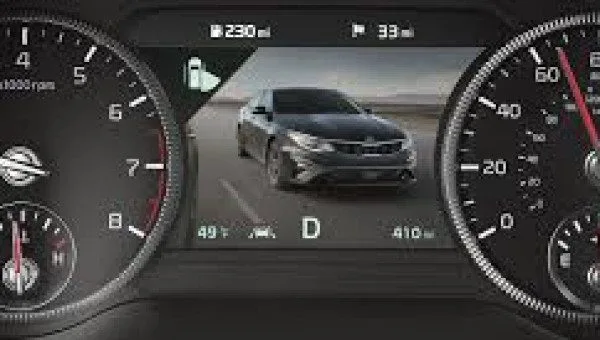
All cars are equipped with 5 warning lights that should always be taken seriously.
Everything is working perfectly with your car when suddenly – a warning light illuminates on the dashboard. There are literally dozens of warning and engine control lights on modern cars today, each with its own meaning and sources. Although they always vary depending on each car manufacturer, five car dashboard warning lights are generic across the board.
Warning lights can be divided into 3 general colors. Most of these five lights are red, but it’s important to know the level of attention a warning light requires based on its color and steady or flashing state.
Red. Bright red colored lights indicate a potentially serious problem requiring immediate maintenance by a mechanic. Red can also be a reminder for scheduled maintenance that comes on after a certain mileage is reached, or inform the driver that certain systems are engaged, such as the parking brake or airbag.
Yellow Orange. A yellow or orange light, like the check engine light, tends to signal a part that needs maintenance or replacement outside of regular maintenance. A flashing yellow light means that component needs to be inspected immediately.
Green / Blue: Softer green or blue dashboard lights typically indicate to the driver an active system, such as headlights or air conditioning.
These 5 car dashboard warning lights should be considered very serious when they illuminate.
1. Engine Temperature Warning Light
This light is meant to warn drivers that the engine temperature has risen beyond the recommended degree. While this can often indicate that the vehicle is overheating, that’s not always the case. Sometimes this light comes on if the engine temperature sensor is damaged or not sending accurate data to the ECU. In other cases, it means the coolant temperature is too hot or the engine is overheating.
What to do if this happens: Given that an overheating engine can cause serious damage – from a blown head gasket to damaging internal engine components – you should immediately park in a safe location, turn off the engine, and contact a towing service to have your vehicle brought home. This will allow a mobile mechanic to inspect the vehicle to diagnose the cause of the light and recommend the proper repairs.
2. Oil Pressure Warning Light
To keep moving metal parts properly lubricated, your engine has a complex lubrication system. This depends on maintaining recommended oil pressure to accomplish this vital task. When there are engine sludge, dirty or contaminated oil, or if an oil pump or filter is damaged, this can cause oil pressure problems. If the oil pressure falls below the threshold, it will trigger the light.
What to do if this happens: Whenever this light illuminates, it should be taken very seriously. As when the engine temperature warning light comes on, you should pull over in a safe spot and turn off the car as soon as possible. Call a tow truck and have the vehicle towed to your home for further mechanical inspection by a professional.
3. Battery Charge Warning Light
This one isn’t as serious as overheating or low oil pressure but should be addressed as soon as possible. The battery charge warning light indicates that your car’s battery is low on starting amps or volts. Amps are needed to start the car, while headlights, radios, and other electrical accessories use volts when the car isn’t running. Here’s the “yeah but” section: this light can also indicate a fault with the charging system, such as a dead alternator or damaged charging wires.
What to do if this happens: When this warning light comes on, you should drive home without turning off the vehicle. If the battery is low, it’s likely your car won’t restart until it’s resolved. Once home, contact a professional mechanic to perform a warning light inspection, which will allow them to isolate the root problem.
4. Brake Warning Light
According to most professional mechanics, this is one of those lights that can be 100% avoidable. In most situations, when the brake warning light is on, it means the parking brake has been left engaged. Try checking first that the parking brake is properly released to see if it goes away. If not, it’s possible you’re low on brake fluid or there’s a mechanical issue with the brakes. Although replacing brake pads, rotors, and calipers as recommended can significantly reduce this problem, it’s something that should be taken seriously if it illuminates on the dashboard.
What to do if this happens: When the brake light is on, first check your parking brake – 80% of the time, this will resolve the issue. If not, contact a professional mechanic and have them perform a brake light inspection before continuing to drive.
5. Check Engine Light
The check engine light has the most possible sources. This one will illuminate in a yellow/orange color when the vehicle’s ECU detects a mechanical or electrical fault detected by one of the sensors monitoring your engine, protection and safety systems. This could be as simple as a faulty sensor or a serious problem with internal engine components.
What to do if this happens: Whenever the check engine light is triggered, you should take it seriously. Contact a professional mechanic and have them perform a check engine light inspection, so they can determine why this light is on and what repairs are needed to fix it. You should not drive the vehicle until this issue has been resolved if possible.