


Car batteries don’t last forever. The standard lifespan is about three to four years. Just like your home battery or your cell phone, it needs to be recharged from time to time. You don’t need to go to your local garage for this – you can simply recharge it at home – or even while driving.
CHARGING AT HOME

Make sure to consult your owner’s manual, as well as your charger’s manual, for instructions. If you’re using a contemporary microprocessor-controlled smart charger, you don’t need to disconnect your battery to charge it. If you’re using an older charger, it’s recommended to disconnect it before charging.
SIMPLE CHARGING STEPS
Ensure the terminals are clean and free of any corrosion.
If your battery is dry, do not attempt to recharge it. You can, if necessary, add distilled water or drinking water just above the plates, but do not overfill.
Read all instructions provided by the battery and charger manufacturers.
Locate the positive and negative terminals and connect the corresponding charger cables. If it’s inside the vehicle, ensure the car’s system is protected against electrical surges and that the charger doesn’t have high charging voltages that could damage the vehicle’s electrical system. If you only need to charge it to start your engine, 2 to 4 hours are sufficient. If a full charge is necessary, expect it to take about 10 to 24 hours.
NOT USING YOUR CAR? HOW TO KEEP IT CHARGED
Some drivers rely on public transport during the week and only take their car out on weekends. Others may decide to avoid driving in winter due to hazardous road conditions. If your car is fairly new and in good condition, it will take about two weeks before the battery discharges. To avoid this when you need your car the most, it’s important to note a few key points:
CHARGING WHILE DRIVING
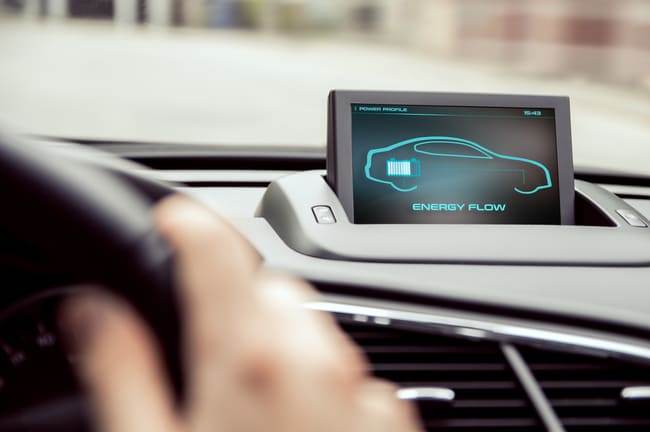
Here, we have another option: charging your car without a charger. Since it’s charged by your alternator, it can be charged at a much faster rate while driving. 30 minutes are enough to recharge it by driving on the highway. It will take longer if you’re driving in the city, perhaps an hour or two.
MY BATTERY IS COMPLETELY DEAD. WHAT NOW?
If you haven’t had the chance to recharge it by driving or other means, it will most likely be “dead.” Don’t worry, you can bring it “back from the dead.” Jumper cables and a working car with a full charge are all you need to get your car back on the road.
CHARGING A COMPLETELY FLAT BATTERY
Look closely and check that there are no cracks and no acid leakage. If you see any of these, do not attempt to start your car as you could injure yourself or others.
Wear rubber gloves and safety glasses before touching the flat car battery to avoid harmful sulfuric acid that might be discharged. If there’s corrosion on your cables, clean them as thoroughly as possible with a stiff-bristled brush.
Carefully drive the working car next to the one with the flat battery. Place the cars side by side, nose to nose or facing each other. Ensure the jumper cables are long enough to reach from one car to the other. Do not be tempted to connect two jumper cables together if the first pair is too short. This could melt the cables and cause a fire.
Open the compartment of each car where the batteries are located. Note the positive and negative terminals of each. A plus symbol (+), or sometimes a red symbol, indicates the positive terminal – a minus symbol (-) indicates the negative terminal.
The order in which you attach the jumper cables makes a difference, so make sure to follow the correct sequence. First, connect one end of the positive jumper cable to the dead battery, then connect the positive end of the jumper cable to the charged battery. Now connect one end of the negative jumper cable to the negative terminal of the charged and working battery. It’s important to “ground” the car containing the dead battery when starting, so now connect or attach the ground cable to any clean part free of any oxidation or paint.
Next, start the engine of the car with the charged battery. When you start the engine, the charging system will begin to charge the dead one. After starting the engine, wait at least five minutes to allow it to recharge. If you need to get a full charge, it will take longer.
Now try to start the engine. The engine should turn over effortlessly. If it doesn’t, let it pass another five minutes and continue charging.
Once charging is complete, disconnect the jumper cables from each car in the reverse order of how you connected them. Not doing so could cause sparks or even an explosion.
The ground cable should be disconnected first, then the cable on the negative terminal of the one you used to recharge yours. Finally, the cable connected to the positive terminal of the formerly discharged battery. Let the car that had the dead battery continue running for at least five minutes, allowing the alternator to recharge it.
You can now let it idle for another 20 minutes or take your car out for a short drive. It’s likely that it will be fully charged by then. It’s possible, however, that if it hasn’t been fully charged, you may need to buy a new one.