
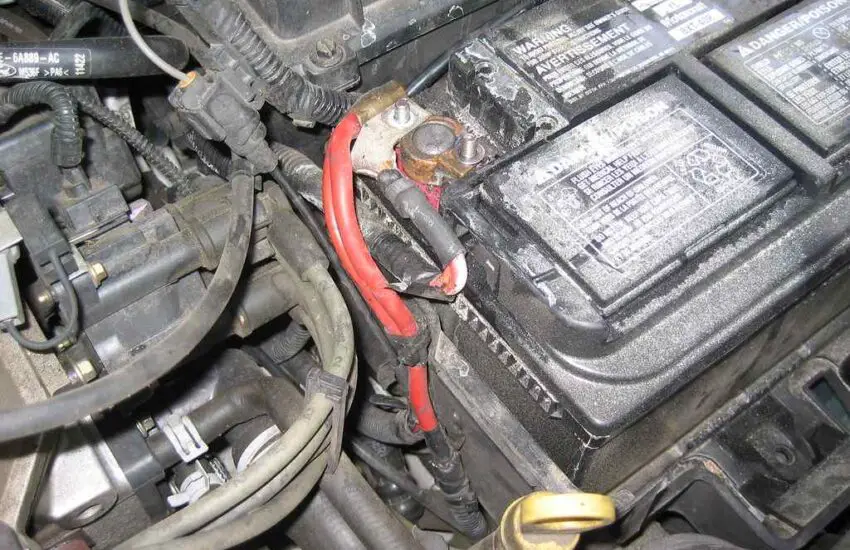
Yes, a car battery can discharge after a few weeks without use. It often happens that a car won’t start after a period of inactivity, even if the engine cranks unsuccessfully. In winter, many vehicles remain parked for weeks, or even months, which can lead to a gradual discharge of the battery. Although leaving your car in the garage saves fuel and reduces wear, it can damage the battery in the long term.
But why does a battery discharge when idle, and how can it be prevented?
Why does a car battery discharge when idle?
Several factors explain the discharge of a battery during prolonged inactivity:
1. Parasitic drain
Even when idle, a car consumes energy to power certain electronic systems:
- The anti-theft system
- The onboard computer
- GPS and sensors
- Radio memory and settings
Modern vehicles, equipped with numerous technologies, are particularly affected by this phenomenon.
2. Weather conditions
Extreme temperatures (intense cold or high heat) accelerate discharge. In winter, the battery’s capacity decreases, while in summer, heat can damage its internal components.
3. Battery condition
An aging or poorly maintained battery discharges more quickly. A new battery can last several weeks, while a worn-out battery may drain in just a few days.
How long can a car remain idle before the battery dies?
The duration varies depending on the vehicle model and the battery’s condition:
- Luxury cars (e.g., Mercedes-Benz S550): A few days are enough for a complete discharge.
- SUVs (e.g., Ford Expedition): About 5 to 9 days.
- Toyota Sequoia: Up to 2 weeks.
Vehicles equipped with many electronic systems discharge more quickly.
How to prevent battery discharge?
1. Use a maintenance charger
A battery maintainer (or smart charger) helps maintain an optimal charge during long periods of inactivity.
2. Disconnect the negative terminal
By disconnecting the negative cable, you cut power to the electronic systems, reducing parasitic drain.
3. Remove the battery (if possible)
If the car remains idle for several months, remove the battery and store it in a dry, temperate place. Recharge it every 2 weeks.
4. Start the engine regularly
If possible, start the car once a week and let the engine run for 10-15 minutes to recharge the battery.
Can a completely dead battery be recharged?
Yes, but a deep discharge can damage the battery in the long term. Use a suitable charger for a gentle recharge.
Conclusion
A car battery can indeed discharge after a few weeks of inactivity. To avoid unpleasant surprises, adopt good practices: using a maintenance charger, disconnecting the battery, or starting the engine regularly. By taking these precautions, you will extend your battery’s lifespan and prevent unexpected breakdowns.
🔋 Is your battery discharging too quickly? Consider having it checked by a professional!