
Over the past 15 to 20 years, hybrid cars have received a lot of attention. These are vehicles that run on electricity and gasoline.
Basically, the hybrid has an electric motor that draws its energy from an electric generator. The generator is driven by the internal combustion engine that uses gasoline.
With all these different energy sources available, the hybrid vehicle can use more electrical energy and less gasoline. This means that fewer carbon emissions will go into the environment.
However, some factors still prevent more people from buying hybrid cars. In order to determine if a hybrid car is a good purchase to make, you must weigh the advantages and disadvantages of buying one.
The Top 5 Advantages of Hybrid Cars
Advantage of a Hybrid Car
#1 – Good for the Environment
The entire purpose of buying a hybrid car is to reduce the amount of carbon emissions that are released into the environment. Since hybrid vehicles use an electric motor and a gasoline engine, this reduces the amount of gasoline that is burned during the vehicle’s operation.
#2 – Lighter Vehicle
Lightweight materials are used to make hybrid vehicles so that the electrical energy is sufficient to move the vehicle. This means less reliance on the gasoline engine.
#3 – Financial Incentives
The federal government gives a tax credit to residents of any state who own or lease a hybrid vehicle. There are also certain states, like California, that offer cash rebates to all its residents who purchase or lease a hybrid vehicle.
With all these financial incentives, it could significantly reduce the overall cost of your vehicle.
#4 – Good Resale Value
Gas prices fluctuate every year and can be directly affected by conflicts in oil-producing countries as well as random issues in refineries that can temporarily interrupt fuel production.
This pushes more people to turn to hybrid vehicles to ease gas prices or to not be as dependent on oil. As a result, people are willing to pay a lot of money, even for a used hybrid vehicle in good working condition.
#5 – Braking Helps Recharge the Battery
When you press the brake pedal in a hybrid vehicle, it activates a mechanism that gives the battery a bit of extra recharge. This gives you more time before the next manual recharge you need to perform.
Here are the five biggest disadvantages of owning a hybrid vehicle.
#1 – More Expensive
As mentioned previously, the main reason more people are not switching to hybrid vehicles is due to cost. The cheapest hybrid vehicle is between $20,000 and $30,000, while the cheapest gasoline vehicle is much cheaper than that.
An extra $10,000 or more can certainly be a deciding factor for many people who live on a fixed income or a tight budget.
#2 – Not as Powerful
Even though a hybrid vehicle has an electric motor and a single engine to provide its power, this combined energy is not enough for “spirited” driving. If you only drive in your city or for commuting purposes, then it’s fine. But typical hybrids are just not as powerful as most regular gasoline vehicles.
#3 – Expensive Maintenance and Repairs
Hybrid vehicles use a dual engine; one for electric and one for gasoline. Many mechanics may not have the necessary expertise to repair such engines.
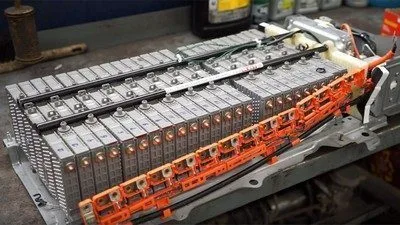
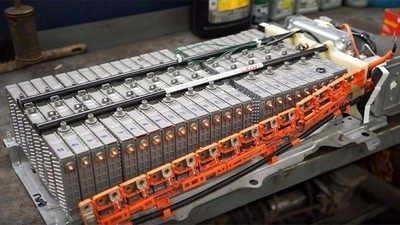
If you find qualified mechanics, they will likely charge you much more money to work on your hybrid vehicle. On top of that, it can be more expensive to maintain the vehicle, especially when it comes time to replace the main battery.
#4 – Poor Handling
Hybrid car manufacturers are continuously trying to lighten their vehicles to make them more fuel-efficient. Since a hybrid needs an electric motor, a gasoline engine, and batteries, this adds a lot of weight to the vehicle.
This has therefore forced manufacturers to make smaller batteries and engines. Meanwhile, the body and suspension do not have as much support as before.
#5 – Risk of Electrocution in Accidents
The batteries in hybrid vehicles have a higher voltage. Although very rare, in the event of an accident, this voltage could injure or even kill you inside the vehicle. It could also be more difficult for other people to get you out of the vehicle.