
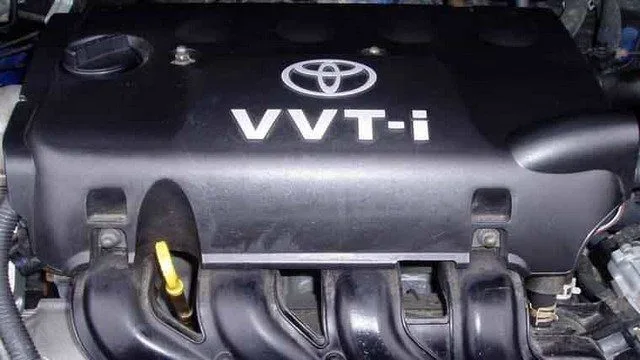
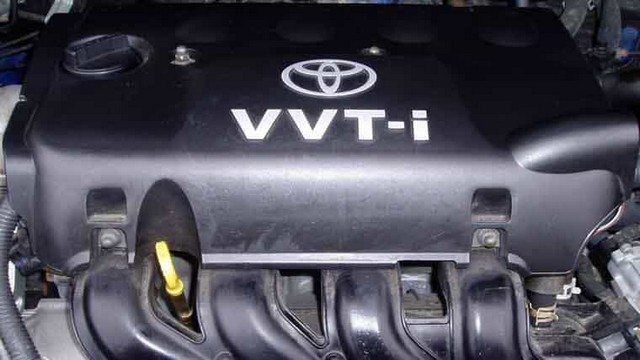
There is a modern technology for car engines called variable valve timing. It helps increase the efficiency and overall performance of your engine.
How does it do this? Well, variable valve timing manages the opening and closing of the air intake valve and the exhaust valve. These are the valves responsible for allowing outside air to flow inside and replacing exhaust emissions, respectively. The timing and speed of opening these valves are crucial for the engine to run well. Although it is possible for the engine to exist without this technology, you would see a significant decrease in your fuel economy if that were the case.
The variable valve timing system is composed of various mechanical and hydraulic components to create the valve lift effect. This is how the engine can quickly respond to the driver’s demands. Sometimes, when engine performance is not needed, you can still maintain high efficiency in the engine. Today, you will find the three major Japanese car manufacturers using this technology, including Toyota, Mitsubishi, and Honda.
The 4 Main Benefits
Everyone wants to have a high-performing engine. Of all the components and machines in a vehicle, the engine is the most important. If you can make it do its job well, you can ensure that your vehicle remains healthy for a long time. Meanwhile, you will enjoy many benefits as the driver of a vehicle equipped with this technology. To summarize these benefits, here are the four main advantages of having a variable valve timing engine.
Better RPM Power – The main advantage of having variable valve timing technology is the increase it will bring to your engine’s revolutions per minute. When you press the accelerator pedal to speed up the vehicle more quickly, it will require more RPMs to support this demand. Variable valve timing has a lot to do with this. The roaring sound you hear when you press the accelerator pedal is the variable valve timing system working hard to keep your engine running.
Better Fuel Economy – Engine efficiency has a lot to do with the timing of the exhaust valve and the intake valve. If these valves can be managed and timed correctly through variable valve timing technology, the engine will be able to produce the same power without needing a lot of fuel. If your engine does not require as much fuel, you will see your fuel consumption improve. This means fewer trips to the gas station and more savings on fuel costs.
Lower Carbon Emissions – Whenever your engine offers better fuel economy, you will also see reduced carbon emissions. Variable valve timing technology does not get enough credit for its eco-friendly nature. If RPM power and better fuel economy were not enough to convince you that this technology is beneficial, then hopefully its ability to reduce carbon emissions will change your mind. If you live in a state that requires emissions testing, this technology will increase your chances of passing the test.
Increased Engine Lifespan – If you continue to maintain an efficient and high-performing engine, you can expect to get many years out of it. Many people will wait until their engines run poorly before deciding to replace their vehicle. If you have variable valve timing in your engine, it will help you keep it for as long as possible. Of course, there are also other factors involved in keeping an engine healthy. Make sure to change the oil regularly and use the right type of fuel.