
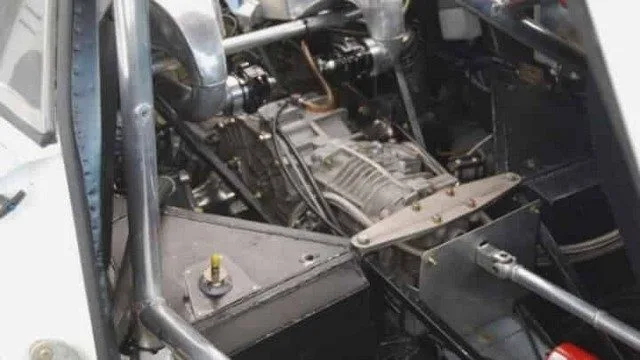
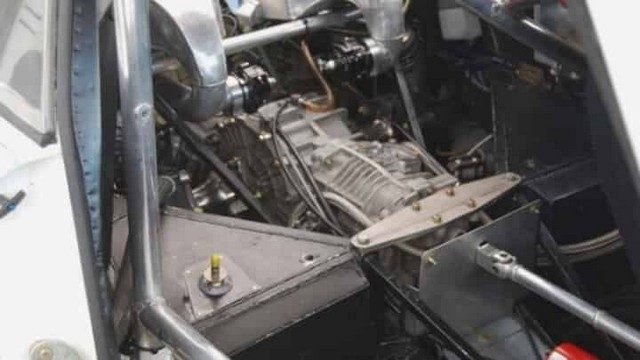
Many people take their vehicle’s gear changes for granted. But every time your automatic transmission needs to shift to a different gear, there is a vacuum modulator inside that ensures the gear change can be accomplished.
How does a transmission vacuum modulator work?
The vacuum modulator is a load sensor inside the engine that calculates the amount of load placed on your car’s engine. Once it detects this amount, it can allow the transmission to shift appropriately.
Older vehicles had cables connected to the throttle to accomplish this task. The vacuum modulator has a vacuum line that is attached to the intake manifold and calculates the engine’s vacuum amount. In both cases, both technologies serve the same function.
When we talk about engine load, we are referring to how hard it has to work to maintain its functionalities. Load obviously refers to the weight and pressure exerted on the engine as it continues to move the vehicle.
For example, when you are driving your car downhill, the load on the engine is lower because gravity helps the vehicle move. In contrast, when you are driving up a hill with a lot of people in your car, the load on the engine is going to be much greater.
The vacuum modulator measures the amount of this load so that the engine knows how hard to work to support the demand placed on it.
4 Main Symptoms of a Faulty Vacuum Modulator
Most modern vehicles are equipped with a vacuum modulator. If your vacuum modulator were to become faulty, there are certain symptoms you might recognize immediately to determine it. Here are four of the most common symptoms of a faulty vacuum modulator.
1) Poor Engine Performance
The main symptom you will notice is poor engine performance. If the vacuum modulator’s diaphragm were to leak, you would have a vacuum leak and your EGR system would shut down.
If the vacuum leak is too severe, you will notice less power in your engine as well as acceleration issues. This will ultimately affect the fuel economy and efficiency of your vehicle.
2) Check Engine Warning Light
Another easily noticeable symptom of a bad vacuum modulator is that the check engine light illuminates on your dashboard. Your car’s computer will immediately know when the modulator sends a bad signal, which will cause the light to turn on.
However, there are many reasons why the engine warning light may come on besides this reason. So, do not automatically assume it is a bad vacuum modulator unless you are also experiencing at least a few other symptoms.
3) Excessive Emission Amounts
If you have excessive amounts of nitrogen dioxide emissions coming from your vehicle, it may indicate that the vacuum modulator is no longer able to properly regulate these emissions.
Most people find this out when they perform an emissions test on their car, which is required by some states.
4) Shifting Problems
If you are also experiencing all the above symptoms while having gear shifting problems, you likely have a faulty transmission vacuum modulator.
As you just learned, the vacuum modulator is what allows the transmission to shift properly. A bad vacuum modulator will obviously affect normal shifting.
Transmission Vacuum Modulator Replacement Cost
If you need to replace your vacuum modulator, you will only have to spend between $80 and $160 in total.
Depending on the make and model of your vehicle, the cost of the replacement modulator will be about $30 to $80. Labor costs should only be $50 to $80, as the replacement does not take that long.