
When the engine is running but the vehicle isn’t moving, it means the engine is idling. During this time, the revolutions per minute (RPM) inside the engine will change.
The idle air control valve is responsible for managing the engine’s idle speed. The valve is a major engine management component that will decrease or increase the RPM, depending on current operating conditions.
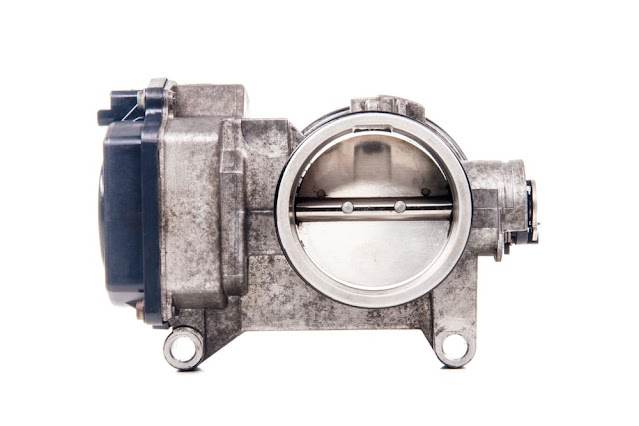
The valve is connected to the throttle body next to the intake manifold. The engine control unit manages the valve’s function. Based on the information it receives such as engine load and temperature, it will adjust the idle speed accordingly.
How an Idle Air Control Valve Works
Engine speed refers to the number of revolutions it makes per minute. This is commonly called RPM. The current operating conditions of your vehicle will cause the idle air control valve’s engine speed to increase or decrease.
For example, if your vehicle has a heavy load or is overheating quickly, the idle air control valve will adjust the RPM by increasing or decreasing it, respectively. This will allow the engine to handle the heavier load or cool down in each case.
The engine control unit is responsible for managing the idle air control valve. When this central computer receives information about the engine’s temperature and load, it uses this data to make appropriate adjustments to the idle air control valve.
This way, the valve will properly regulate the engine speed based on the information transmitted by the computer.
Symptoms of a Faulty Idle Air Control Valve
When you have a faulty idle air control valve in your car, several problems and symptoms will appear. If you don’t replace the valve immediately, your car will become undrivable.
Below are the top 5 symptoms of a bad idle air control valve that you will easily notice.
1) Intermittent Idle Speed
Since the idle air control valve is supposed to manage the engine’s idle speed, a faulty valve will certainly cause it to go out of control. This will result in the idle speed randomly varying at different speeds rather than staying at a constant rate.
The idle may be too high at one moment and then too low at other times. You will clearly notice this idle change by simply watching the tachometer on the dashboard.
2) Check Engine Warning Light
Whenever there is the slightest problem or issue with anything connected to the engine, the central computer will trigger the check engine light on the dashboard. A faulty idle air control valve could certainly be one of the reasons for this.
If the RPM seems unusual to the engine computer, it will let you know by activating the warning light.
Of course, there could be a whole list of other reasons for the light to come on as well. In any case, you should take your vehicle to the auto shop to have it checked immediately.
3) Rough Idle
A healthy and normal idle air control valve will ensure a smooth idle in your vehicle. But if the valve deteriorates for any reason, the idle will go from smooth to rough.
A rough idle will cause intense vibrations to form whenever your vehicle is stopped with the engine running. Since less air will enter the engine during its idling state, the car will respond by shaking abundantly.
4) Engine Stalling
If you find the engine stalling due to a faulty idle air control valve, you won’t be able to drive your vehicle at all. As soon as you start your car, the idle air control valve will immediately operate.
If you’re away from home and this happens, stalling will occur every couple of minutes at first. You should be able to reach the nearest mechanic in time before the engine stalls completely.
5) Load Causes Stalling
Sometimes engine stalling will occur on its own while other times, increasing the load on the engine will cause it to stall.
For example, if you turn on your heater or air conditioner when you have a faulty idle air control valve, your engine will likely stall immediately afterward. The steering wheel may also feel like it’s slipping to one side as well.
To temporarily fix this issue, simply turn off your heater or air conditioner to reduce the load. Then let the engine cool down for a few minutes.
Idle Air Control Valve Replacement Cost
If a voltmeter shows a reading outside the normal range, you need to purchase a new idle air control valve. Unless you know a lot about auto repair, you’ll need to pay a mechanic to perform the replacement work. This means you’ll have to pay for both parts and labor costs.
The average replacement cost for an idle air control valve is between $120 and $500. Parts could cost between $45 and over $400, while labor is only about $70.
Of course, the labor cost really depends on the mechanic’s hourly rate. Since this job shouldn’t take more than an hour to perform, don’t expect the cost to be too high.
Some vehicles are more complicated to work on than others, so that’s also a factor.