
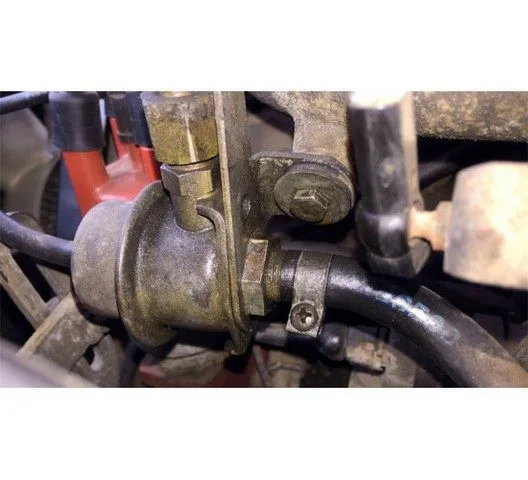
The fuel pressure regulator is a component found in a vehicle’s internal combustion engine. The job of the fuel pressure regulator is just as it sounds. It regulates the fuel pressure of the engine system by changing the pressure whenever necessary.
It features a mechanical diaphragm that is operated by a vacuum to adjust the pressure. However, newer vehicles tend to use electronic versions of the regulators instead.
Both types of regulators serve the same purpose by allowing proper fuel distribution into the engine’s internal combustion chamber. Since different driving operations impose various power demands on the engine, the amount of fuel it needs will change frequently.
If you have a bad fuel pressure regulator to meet these inconsistent fuel demands, your engine’s performance will be compromised.
How does a fuel pressure regulator work?
A fuel pressure regulator can be found in any vehicle that uses an internal combustion engine. It is connected to the engine control unit, which is the central computer that manages the actions of the engine and its surrounding systems.
The fuel system, for example, is responsible for delivering the right amount of fuel into the internal combustion chamber.
This process starts with the fuel pump taking fuel from the tank and pumping it through the fuel filter. The fuel then goes into the injection pump through a fuel line. From there, the fuel is pumped into the fuel injector which then injects the fuel into the chamber.
When the primary fuel supply line delivers fuel from the pump to the injectors, the fuel pressure regulator will ensure that the fuel pressure does not exceed the required amount.
So, if the fuel pressure becomes too high, the regulator will restrict the pressure and only allow the necessary fuel to flow into the injectors. This would occur when the engine is running at lower revolutions per minute, as it does not require as much fuel for its performance.
The excess fuel that did not enter the internal combustion chamber will be sent back to the fuel tank. There is a fuel return line that connects the main line to the fuel tank.
When the fuel pressure regulator does not allow certain amounts of fuel to flow into the injectors, it sends the fuel back through the return line into the fuel tank. The fuel is essentially recycled so it can eventually be reused.
5 Common Symptoms of a Bad Fuel Pressure Regulator
Fuel pressure regulators will not remain 100% functional forever. During the lifespan of your vehicle, you can expect the fuel pressure regulator to deteriorate at least once. If this happens, it will produce a few symptoms that you should not ignore.
Below are the top 5 symptoms you will experience with a faulty fuel pressure regulator.
1) Black Smoke
An easily noticeable symptom of a bad fuel pressure regulator is black smoke coming out of the exhaust pipe. There are many possible reasons for black smoke, but this could be one of them.
If your fuel pressure regulator is worn out or leaking, black smoke will result. This is due to an abundance of fuel in the internal combustion chamber being burned.
2) Fuel Leak
When you have a bad fuel pressure regulator, it is common to see a fuel leak. Perhaps the regulator’s seals are damaged or worn out, which then causes fuel to leak. As gasoline continues to leak, it will reduce your engine’s performance.
If you don’t notice the spilled fuel on the road behind you, you might notice the smell of fuel filling the cabin while this is happening.
3) Engine Misfire
An engine misfire is the result of the internal combustion chamber not having the right balance of fuel and air. This is the symptom you should experience most often if you have a faulty fuel pressure regulator.
All it takes is for one cylinder not to ignite normally and you will experience a misfire. Many people think this can only happen when you first start the vehicle, but it can actually occur when you are driving the vehicle.
In fact, when you are driving at high speed, that is when it is likely to happen.
4) Poor Fuel Economy
With all these issues concerning leaking gasoline and incorrect air and fuel mixtures, you can certainly expect your fuel efficiency to decrease significantly. The more you demand from your engine, the harder it will work to meet your requirements.
But if your fuel pressure regulator is malfunctioning, it could result in too much fuel or not enough fuel in the combustion chamber, depending on the circumstances. Then, your miles per gallon will keep getting smaller until you replace your faulty regulator.
5) Poor Acceleration
One of the most noticeable symptoms of a bad fuel pressure regulator is poor acceleration. If you press the accelerator pedal but you are not moving as fast as usual, it means your engine is not getting the right balance of fuel and air in its combustion chamber.
While this could be due to many reasons, a faulty fuel pressure regulator is one of those reasons.
Fuel Pressure Regulator Replacement Cost
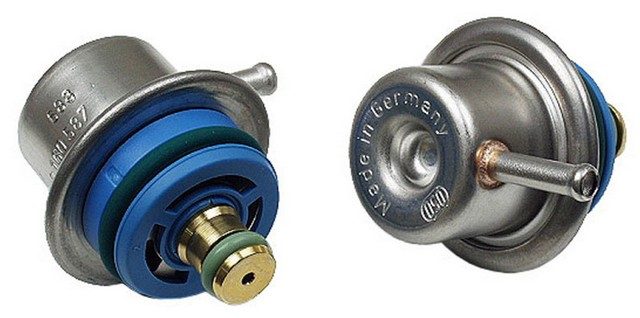
If you experience at least 2 of the above symptoms, you will likely need to replace your fuel pressure regulator. The average cost to replace a fuel pressure regulator will be $140 to $380 in total.
The cost of parts alone will range from $60 to $240, while labor costs will likely be $80 to $140. Replacing the regulator may cost more for some modern vehicles with electronic fuel pressure regulators. Having the job done at a dealership will also likely increase the price.
In most cases, the replacement can be done by yourself if you have mechanical knowledge, as the regulator is not too difficult to access. But, since you are dealing with fuel, do not hesitate to leave it to a professional mechanic if you do not feel comfortable doing the job yourself.