
symptoms of positive crankcase ventilation (PCV) and how to test the PCV valve yourself
Signs of a Bad PCV Valve
You probably don’t realize how important the PCV system – the positive crankcase ventilation (PCV) valve and its associated components – is to your engine’s well-being.
A bad PCV valve or a related component can produce a number of symptoms. For example, if the valve clogs or sticks in the closed position, you’ll notice one of these symptoms.
Symptoms of a Bad PCV
- Increased internal engine pressure
- Failure of one or more gaskets or oil seals
- Engine oil leaks
- Moisture and sludge buildup inside the engine
- Engine surging and possibly black smoke
If the PCV valve remains stuck, or if a system hose becomes disconnected or ruptures – producing a vacuum leak – you’ll notice one or more of these symptoms.
Symptoms of a Stuck PCV
- Engine stalls at idle
- Lean air-fuel mixture
- Presence of engine oil in the PCV valve or hose
- Increased oil consumption
- Hard engine starting
- Rough engine idle
Additionally, a stuck-open PCV valve can trigger the “check engine” light due to the increased airflow. And a diagnostic computer may mistakenly blame this light on a mass airflow sensor or an oxygen sensor, making it harder to detect the true source of the problem.
Why the PCV Valve is Important
Bad PCV valves can cause engine oil contamination, sludge buildup, oil leaks, high fuel consumption, and other engine damage problems, depending on the type of failure.
Although you can detect some of these problems before they worsen with simple inspections, a failure of the PCV valve or related components often leads to costly repairs. This is because most car owners do not include the PCV system in their maintenance routine. Even though some car manufacturers suggest replacing the valve at regular intervals, car owners still forget to replace it. To add to the problem, not all manufacturers emphasize the importance of regular system inspections.
Later in this article, we will see how car owners can test their own PCV valves.
But before we get there, here is this article in brief: what the PCV valve does, what happens when it fails, and how to test it.
PCV Valve Function in Brief
|
|
|
|---|---|
|
What the PCV valve does:
|
• Uses engine vacuum to draw blow-by gases from the crankcase.
|
|
|
• Pushes gases back into the intake manifold and returns them to the combustion chambers where they are burned again.
|
|
|
|
|
Some signs indicate it is failing:
|
• One or more gaskets or oil seals are failing.
|
|
|
• The engine misfires.
|
|
|
• The engine may produce black smoke.
|
|
|
• Internal engine pressure increases.
|
|
|
• Moisture and sludge accumulate inside the engine.
|
|
|
|
|
How to test it:
|
• Inspect the rubber parts.
|
|
|
• Replace the mesh filter under the valve.
|
|
|
• Disconnect the hoses and inspect them carefully.
|
|
|
• Remove the valve and shake it. If it doesn’t rattle, it needs to be replaced.
|
Understanding the PCV Valve
First, let’s discuss the function of the valve to better understand the reasons for the symptoms. Understanding this will help you better comprehend the system when you inspect and test it.
Until the late 1950s, car engines released “blow-by” gases – unburned fuel – to prevent engine damage. The problem was that these gases harmed the environment. Really badly.
When your car’s engine runs, an air-fuel mixture enters each cylinder. Hundreds of powerful explosions take place to release the fuel’s energy, producing highly toxic and harmful gases. After each combustion process, the exhaust valve directs these gases into the exhaust system where the catalytic converter converts them into much less toxic fumes before releasing them into the atmosphere.
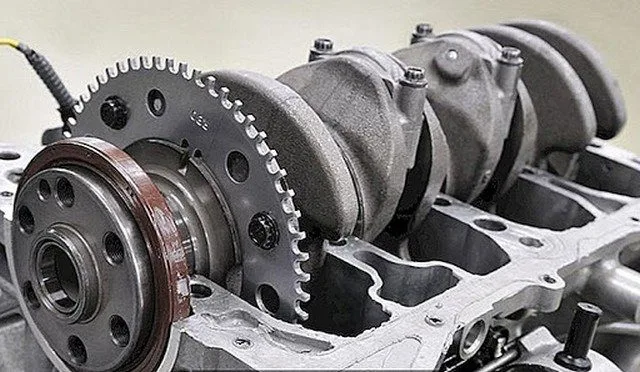
Yet, a small amount of gas in the combustion chambers enters the crankcase (engine block) through a pressure leak between the piston rings and the cylinder wall.
Left to their own devices, these vapors and fumes will ravage your engine. Exhaust gases contain hydrocarbons (unburned fuel), carbon monoxide (partially burned fuel), particles, water, sulfur, and acid. Together, these substances corrode any metal component of the engine they touch, dilute the engine oil, accumulate harmful sludge that accelerates part wear, and clog small passages and pipes.
In 1961, the PCV system was introduced to deal with this problem. This simple emission control system uses engine vacuum to draw blow-by gases from the crankcase, pushing them down the intake manifold and into the combustion chambers where they are returned.
Yet, the PCV system will fail with poor system or engine maintenance.
- PCV Valve Operation
- Inspecting Your PCV Valve
Unfortunately, many car manufacturers are not strict about PCV system maintenance. Some suggest servicing the system every 20,000 or 50,000 miles. However, more frequent system inspection helps avoid costly repairs and keeps the engine running smoothly.
To start checking the PCV system in your vehicle, first locate the PCV valve and its associated components. Depending on your specific model, you may find the valve on a rubber grommet on the valve cover; on a breather opening around the intake manifold; or on one side of the engine block.
Many PCV valves are located on the top or side of the engine. | Source
Keep in mind that some newer models do not have a PCV valve at all; instead, you’ll find a simple vacuum hose running from the valve cover to an air intake duct. Others may have a simple restrictor in place. Still, you can check the restrictor, hoses, and other components.
If you are not familiar with the PCV system in your vehicle or cannot find the valve, purchase the service manual for your vehicle’s make and model at a local auto parts store. The aftermarket manual costs about $20 and contains instructions for many simple maintenance and repair tasks. If you don’t want to buy a copy right now, check the reference section of your local public library for the manual, or your library’s website to access an online shop manual.
Fortunately, it doesn’t take much to check the system.
Check the PCV system parts. Rubber components like grommets, O-rings, and hoses swell and become hard and brittle after constant exposure to high temperatures. They start to leak. Replace one or more of these components if necessary.
Carefully disconnect the valve and all system hoses and inspect them visually. If you find the hoses filled with sludge, clean them with a PCV solvent or lacquer thinner and replace the valve. Or, simply replace these components along with the PCV valve.
Many engine models use a simple, inexpensive valve, and many car owners replace it at every maintenance interval. Other valves incorporate heating elements and cost more. Regardless of the type of PCV valve your engine uses, always buy a quality brand-name valve, as it is more likely to have more precise calibration for your specific engine model.
On some engines, you’ll find a mesh filter under the valve. Some car manufacturers recommend replacing the filter every 30,000 miles or so.
Most PCV valves contain a spring-loaded device. Once you have removed the valve, shake it with your hand. You will hear a rattle. If not, it’s time to replace the valve. Even if the valve rattles, if your engine exhibits one or more of the bad PCV valve symptoms described above, it’s a good idea to replace the valve.
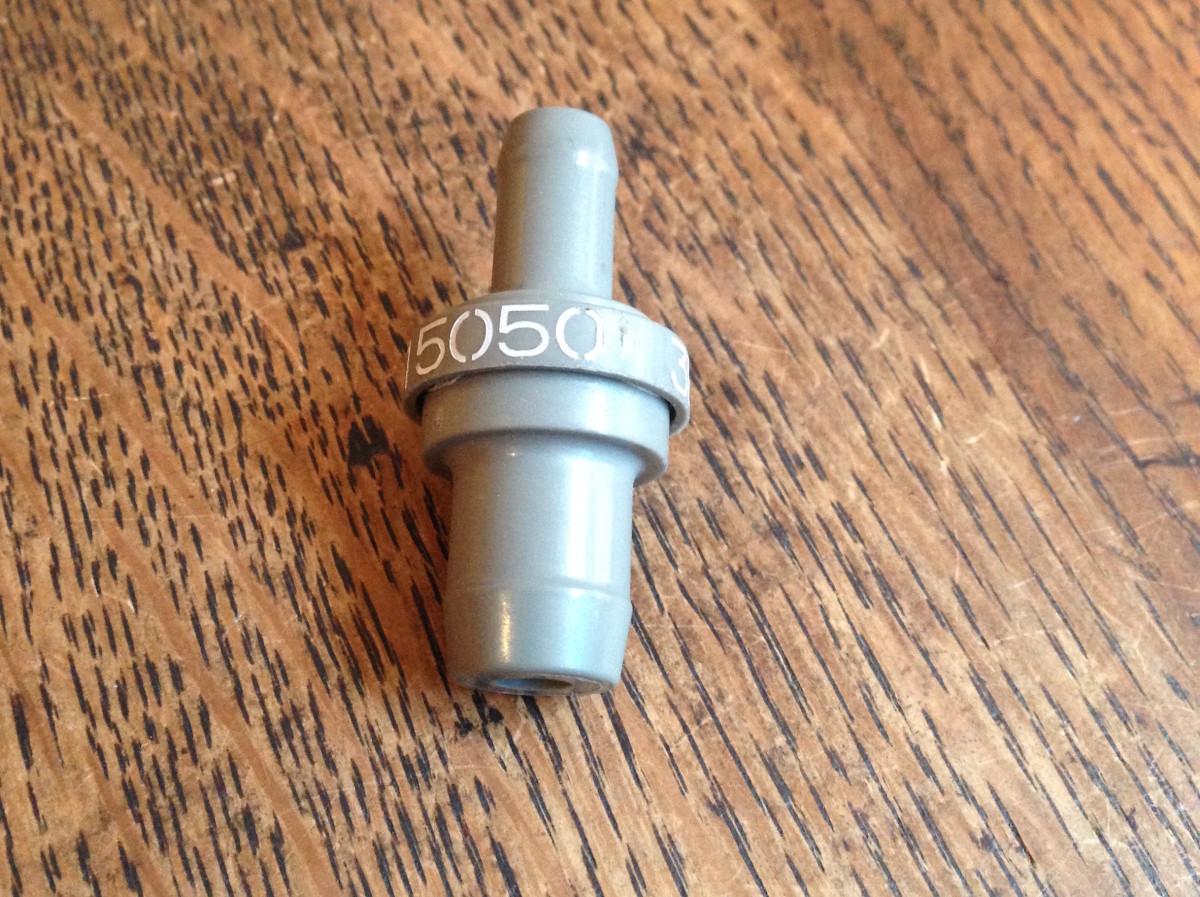
Some vehicles, including some older Ford Escort models, are equipped with a small hollow plastic block with no moving parts. If you have this type of valve, clean it with lacquer thinner if necessary and reinstall it.
PCV Valve Maintenance
Besides visually inspecting the condition of the various PCV valves and associated components, test the system while the engine is running.
1. Vacuum Test
Start the engine and let it idle for about twenty minutes to warm it up to operating temperature.
Then, open the hood and disconnect the valve from the valve cover and block the end of the valve with your finger. You will feel the system vacuum sucking at your fingertip and you will notice a momentary drop in idle speed of about 40 to 80 RPM.
If you notice a larger drop in RPM and the engine idle smooths out, your PCV valve may be stuck.
If you don’t feel the vacuum at your fingertip, check that the valve and hoses are not obstructing airflow. Clean the PCV valve and hoses with lacquer thinner and a small hose brush if necessary.
2. Vacuum Tests
Another way to test the vacuum is to pinch or block the vacuum hose connected to the PCV valve. The idle speed drops between 40 and 80 RPM, then returns to normal. If not, look for a clogged or restricted hose or valve.
On some engines, access to the PCV valve is difficult. In these models, you can remove the engine oil dipstick and seal the dipstick tube opening with a piece of tape. With the engine idling, remove the oil filler cap on the valve cover. Then, place a thin piece of cardboard over the opening. Wait about a minute. You will notice the vacuum suction holding the paper against the opening. If not, there is a leak in the system or the system is clogged. Check the condition of the hoses, hose fittings, and grommet.
PCV System Maintenance
Sometimes, bad PCV valve symptoms are incorrectly recorded as coming from a bad sensor. That’s why it’s important to regularly check the PCV valve and associated components. It only takes a few minutes. If your engine does not have a PCV valve, or if you cannot reach it without removing one or more components, consult your service manual for the best way to check your specific system. Also check your PCV system maintenance schedule and replace the valve at regular intervals, even if it appears to be in good condition. Most PCV valves and related components are inexpensive and will save you money on costly repairs if you replace them at the suggested interval.
Positive Crankcase Ventilation (PCV) is a system that helps remove harmful gases from the engine crankcase. The PCV system consists of a PCV valve, a hose, and an intake manifold. The PCV valve is located on the valve cover and allows crankcase gases to flow into the intake manifold. The PCV hose routes the crankcase gases from the PCV valve to the intake manifold. The intake manifold then draws the crankcase gases into the engine, where they are burned.
Symptoms of PCV System Failure:
- Check Engine Light On: The check engine light may come