

A car is a sophisticated machine that does not function properly under extreme conditions, such as a scorching summer and a freezing winter. In particular, winter has terrible effects on a car’s engine and body. You may struggle to start the engine on winter days, and long-term exposure can slowly cause the body to rust. But can gasoline freeze in your car?
Many drivers believe in the myth of gas freezing. Most of you have heard that your car’s gasoline can freeze in winter if the tank is half full. Indeed, cold can have serious consequences on your car and home in several ways, but frozen gasoline is unlikely to be one of them.
Can Gas Freeze in Your Car? What Does Science Say?
A dramatic drop in temperature causes many unwanted side effects on your car. Many drivers never let their gas tank go below half full, fearing that the gasoline will freeze and damage the fuel tank.
The concern is real and scary because repairing or replacing a damaged fuel tank would be expensive. But can gasoline freeze in this way?
Gasoline, commonly referred to as gas, has a relatively low freezing point compared to water. Therefore, under normal circumstances, it is unlikely that gasoline will freeze in your car’s fuel tank, especially if you live in an area with average or warmer temperatures.
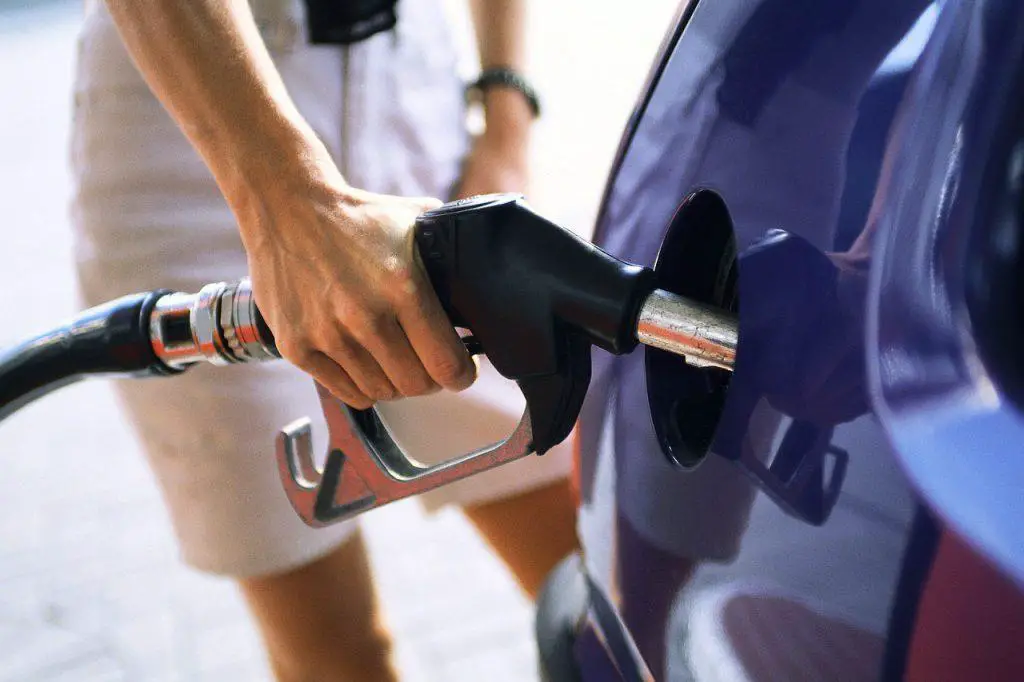
At What Temperature Does Gasoline Freeze?
Gasoline freezes at around -100 degrees F. This figure can vary slightly depending on the ingredients mixed into the fuel. For example, octane has a higher freezing point. Additionally, diesel fuel has a higher freezing point than gasoline, and fuel gelling can occur when the temperature drops below 32°F. For this reason, many oil companies sell different fuel blends for summer and winter. The summer blend contains additives that prevent it from gelling at low temperatures.
It is almost impossible to freeze gasoline because no habitable place on Earth has that kind of temperature. Of course, Antarctica is colder, but you are not going to drive a car there. Therefore, it is very unlikely that the concept of frozen gasoline will become a reality.
You do not have to worry about frozen fuel when running your car on gasoline. However, cold weather will still have adverse effects on the fuel tank, fuel lines, and engine. Several ways can cause moisture buildup inside the fuel tank. If this happens, the fuel will freeze at a temperature well above -100 degrees Fahrenheit.
So, can gasoline freeze in your car when the fuel tank is low? Unlikely. But low temperatures will create other types of problems.
Our advice: If you live in an area with extremely cold winters, it is good practice to keep your fuel tank at least half full during the coldest months. This helps reduce the amount of air in the tank, which can minimize condensation and the risk of water freezing and blocking the fuel lines.
The Problems of Low Fuel in the Fuel Tank
The low freezing point of gasoline means that cold temperatures cannot freeze it, even when the fuel tank level is low. However, driving with a low fuel tank is bad for engine health. If you constantly keep the tank only 1/4 full and continue driving, one of the following problems could occur:
The gas line will freeze if there is condensation or water droplets inside the line or tank. This condition damages the engine mechanism, and the vehicle may end up dead.
Extreme cold can break down gasoline into its elements, leading to the formation of wax crystals. When this happens at an aggressive rate, these waxes cause a condition called “gelled fuel,” which cannot circulate in the fuel lines.
Additionally, the fuel pump has a shorter lifespan if you never bother to keep the tank more than half full. Remember that the fuel gauge may indicate more than the level in the fuel tank, especially in cold weather. The safety measure is to check regularly. Otherwise, you risk being stranded in a remote location with a dead engine and an empty fuel tank.
How to Avoid Low Fuel Problems
Well, the obvious solution is to keep the tank full or nearly full. But you cannot do this all the time, as you might simply forget to fill it up. Moreover, many people do not notice it until the system issues warnings about an almost empty tank.
The good news is that you are unlikely to face most of the problems mentioned above, as fuel injection systems and ethanol-based gas have been improved over the past few decades.
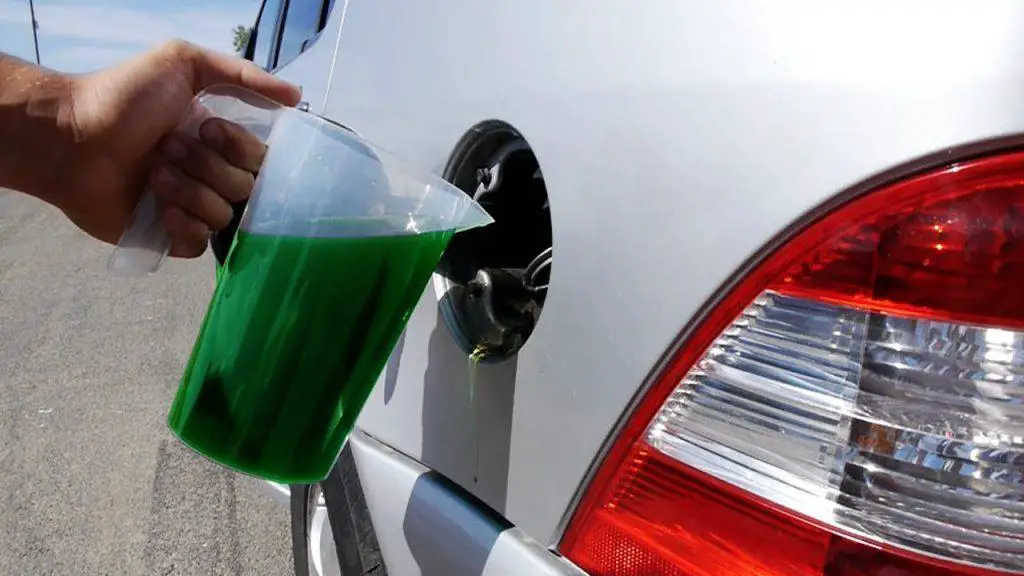
To prevent the gas line from freezing, ensure that the line is cool and free of leaks. Any crack or hole allows moisture to pass through, causing the line to freeze when the temperature becomes cold. Another effective measure is to avoid fuels containing alcohol, especially when the weather turns freezing in your area. Alcohol attracts and retains moisture, causing the fuel to harden at a high freezing point.
However, it is not always possible to keep moisture away. To protect the gas line, you can occasionally use an antifreeze additive to defrost any water buildup.
Can gasoline freeze in your car when the fuel level is low? Yes. But you can avoid this problem by taking a few simple measures.