


When your engine cranks but won’t start or run, it could mean your engine is having trouble producing a spark, getting fuel, or creating compression.
Causes
The most common causes are in the ignition (for example, a bad ignition coil) or the fuel system (for example, a clogged fuel filter). However, the source could also be a mechanical fault (for example, a leaking valve) or faulty components in other systems.
It’s a problem with the starter. If the engine cranks normally, you don’t have a starting problem. If it doesn’t crank properly (the engine turns over slowly or doesn’t turn over, or you hear strange noises or nothing when you try to start the engine), refer to this other practical guide to troubleshoot the starting system.
Whatever you do, avoid repeatedly cranking the engine in the hope that the engine will catch. You can drain your battery and damage the starter in the process. Instead, try to use the remaining charge in your battery to locate the fault.
This guide will first give you six quick things you can check, then three systems to troubleshoot – spark, fuel, compression – using simple and quick diagnostics. Then, for more help, you’ll see a list of components in the associated systems that can be linked to a no-start condition.
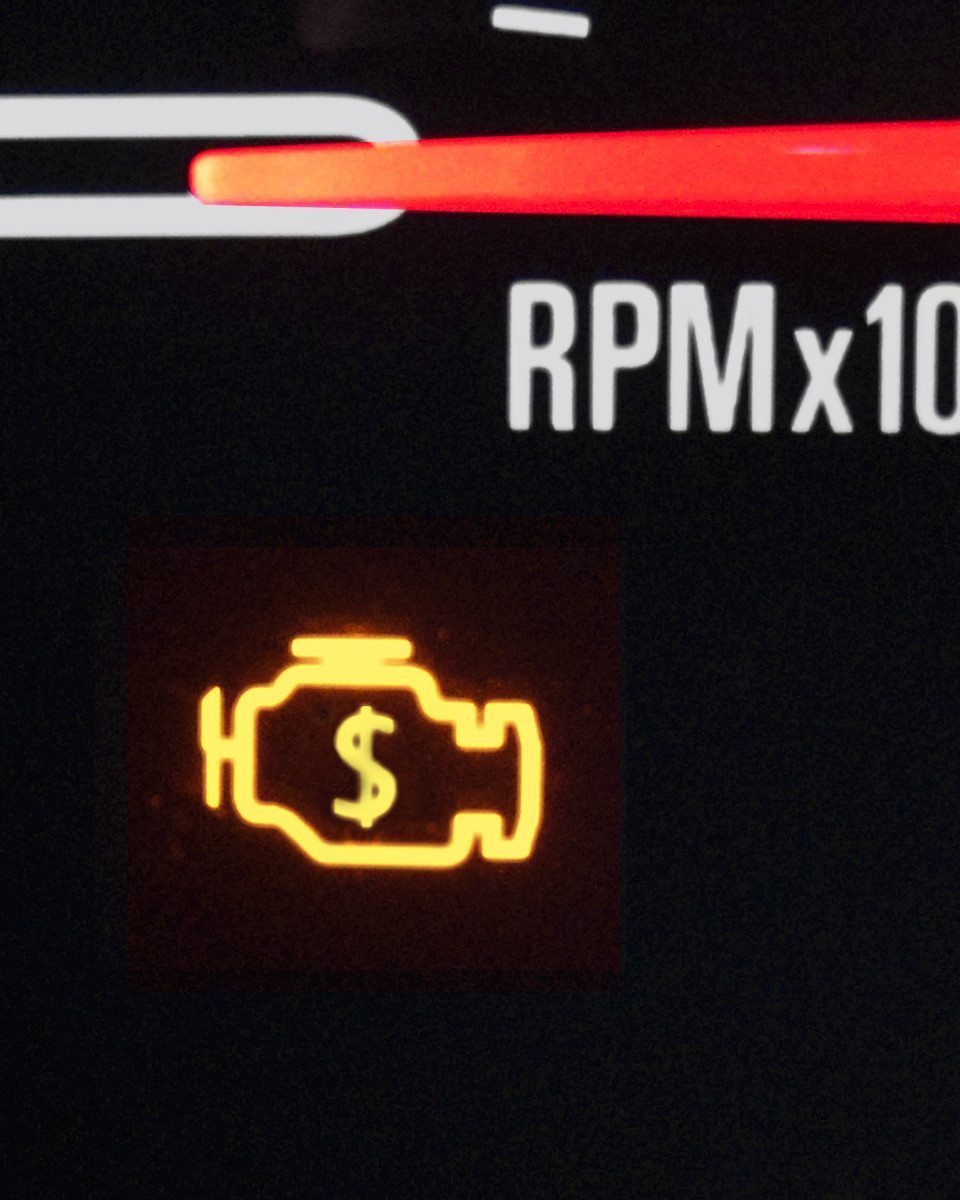
Your car’s engine needs fuel, compression, and a spark to start.
When your engine cranks but won’t start or run, it could mean your engine is having trouble producing a spark, getting fuel, or creating compression. The most common causes are in the ignition (for example, a bad ignition coil) or the fuel system (for example, a clogged fuel filter). However, the source could also be a mechanical fault (for example, a leaking valve) or faulty components in other systems.
What “cranks but won’t start” usually doesn’t mean is a problem with the starter. If the engine cranks normally, you don’t have a starting problem. If it doesn’t crank properly (the engine turns over slowly or doesn’t turn over, or you hear strange noises or nothing when you try to start the engine), refer to this other practical guide to troubleshoot the starting system.
Whatever you do, avoid repeatedly cranking the engine in the hope that the engine will catch. You can drain your battery and damage the starter in the process. Instead, try to use the remaining charge in your battery to locate the fault.
This guide will first give you six quick things you can check, then three systems to troubleshoot – spark, fuel, compression – using simple and quick diagnostics. Then, for more help, you’ll see a list of components in the associated systems that can be linked to a no-start condition.
Scanning your car computer’s memory should be one of your first diagnostic procedures.
Six Quick Checks
Check these possibilities first
When trying to figure out why your car won’t start, keep these possibilities in mind.
Fuel. For example, make sure there is actually fuel in the tank.
The computer in modern vehicles monitors and controls a good number of sensors and actuators. Scan your computer’s memory for trouble codes before doing anything else. Even if the check engine light hasn’t come on, you might find a pending code that can guide your diagnosis. A false input or lack of input from sensors like the crankshaft position sensor (CKP) or camshaft position sensor (CPS) can prevent the engine from starting. Additionally, a faulty throttle position sensor (TPS) can cut off the spark from the cylinders.
Battery. If the engine cranks slowly, you might be dealing with a discharged battery, loose or corroded battery terminals, or wires in the starting system.
Starting system. If the engine doesn’t crank or makes an unusual noise when starting, you might have a problem with the starting system.
The car’s security system may have made an error that disabled the fuel or ignition system, or the key chip may have failed. To troubleshoot a built-in security system, refer to your car’s owner’s manual or consult the shop that installed your alarm system.
Look for a blown fuse that could prevent a circuit from functioning properly, such as fuel injection or the computer system.
Troubleshooting: Spark, Fuel, Compression
To operate efficiently, an internal combustion gasoline engine needs a good spark, the right amount of fuel, and good compression (a healthy mechanical condition). The absence of any one of these three things will prevent your engine from starting.
Thus, the following three sections will list a series of steps to help you determine if your engine is lacking adequate spark, not receiving enough fuel, or has too low compression.
Worn or fouled spark plugs won’t be able to ignite the fuel mixture. | Source
Do you have spark?
You must first check that a good spark is reaching the cylinders. You can do this test without a spark tester, but it’s better to use one, as a weak spark as well as a missing spark can prevent your engine from starting. If possible, use an adjustable tester so you can test the spark at 40KV, 30KV, and 10KV.
Select an easily accessible spark plug and disconnect the spark plug wire, coil wire, or coil-on-plug (COP).
Set the spark tester to 40KV and plug it into the end of the spark plug wire or coil wire. Hook the spark tester to the engine ground. To ground the tester, use a non-painted bracket or bolt on the engine. NOTE: If you’re not using a spark tester, grab the wire with a pair of insulated pliers and place the end of the wire about half an inch from ground (engine block, bracket, cylinder head). You still need an assistant to crank the engine for you. The rest of the test is the same. You’ll be able to test for the presence of spark but not its strength.
While watching the spark tester, have an assistant crank the engine.
You should see a bright spark jump the gap in the spark tester. If you don’t see a spark, repeat the test. This time, adjust the spark tester to 30KV. If you still don’t see a spark, repeat the test and set the tester to 10KV. If this time you see a spark or no spark, you have a problem in the ignition system. Consult your vehicle’s specific repair manual for further diagnosis. Depending on your specific model, you might have a problem with an ignition coil, distributor, ignition module, igniter, or another related component.
Other checks you should do:
On systems with a distributor: Check that the distributor cap isn’t loose; inspect the distributor cap for moisture, cracks, carbon tracks, or other damage; there could be faulty distributor components.
If you haven’t replaced the spark plug wires in over three years, your wires might be worn out.
Also, consult your car’s owner’s manual or the vehicle repair manual for the interval schedule for spark plugs. You may need to service (checking the gap and adjusting) or replace the plugs.
If you installed new spark plugs and your car refused to start right after, check that you installed the appropriate plugs for your vehicle model and that the plugs have the correct gap. Use a wire feeler gauge to check and adjust the gap.
II. Is Fuel Reaching the Cylinders?
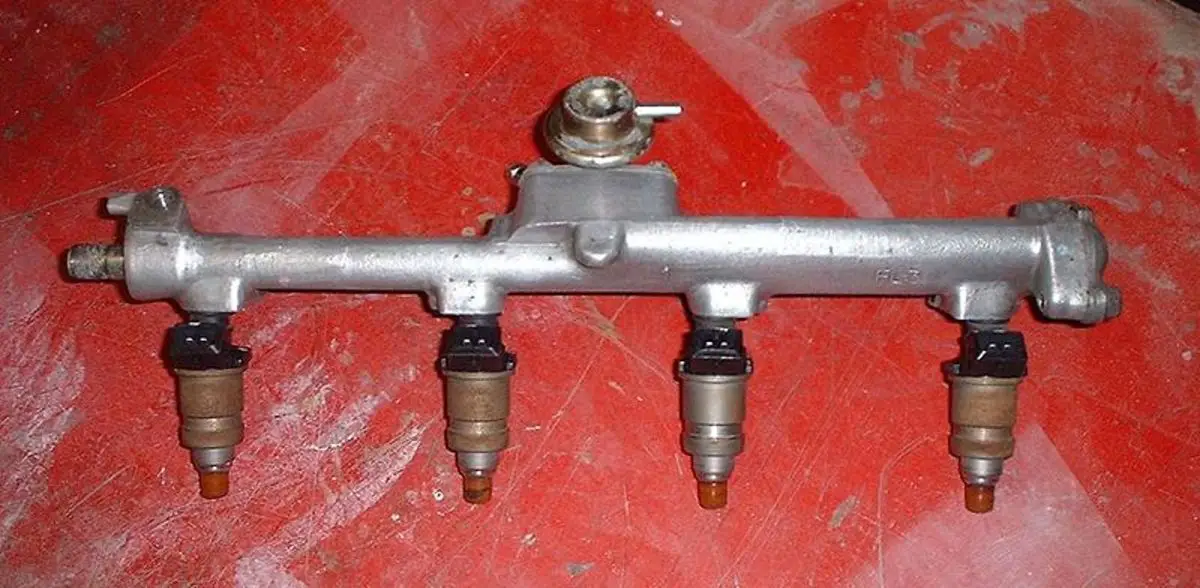
After checking the spark, you need to check that the engine is receiving fuel.
To check a carburetor or throttle body injection (TBI) system:
Remove the air filter housing cover and open the throttle plate (carburetor). On TBI systems, watch the fuel injector.
Have an assistant start the engine and see if fuel is being introduced into the unit.
If you don’t see fuel being injected, your problem is in the fuel system. Make sure of the following points:
you have enough fuel in the tank,
the fuel pump is working,
the fuel filter isn’t clogged (consult your car’s owner’s manual or repair manual for the maintenance schedule),
the fuel pressure regulator is working properly,
the fuel injectors aren’t clogged.
To check a multiport fuel injection system:
First, make sure the fuel pump is working. Momentarily remove the fuel filler cap.
Have an assistant turn the ignition key to the On position, but do not start the engine.
While your assistant turns the key, listen carefully through the fuel tank filler neck. You should hear the hum of the fuel pump motor running for two or three seconds. If you hear the sound, you know at least that the pump is powered; continue to the next step. Otherwise, you might be dealing with a faulty fuel pump or relay, a blown fuse, an electrical open, or another problem in the fuel pump circuit.
Detach the air filter from the throttle body.
Open the throttle plate and spray a little starting fluid into the throttle body.
Crank the engine.
If the engine still doesn’t seem to want to start, fuel is probably reaching the cylinders and your problems lie elsewhere. However, if the engine runs momentarily and dies, the problem is that fuel isn’t reaching the cylinders. Look for a clogged fuel filter or a bad fuel pressure regulator. Consult your vehicle repair manual if necessary.
If the incoming fuel line going to the fuel injectors has a test port (Schrader valve – a valve similar to the one on your tires), use a small screwdriver to press the valve. Be ready with a shop rag to catch the fuel.
Turn the ignition key to the On position for two or three seconds, then turn it off. Repeat the step two more times to prime the line with fuel.
Then, press the valve with the screwdriver while catching the fuel with the shop rag. Fuel should squirt out of the valve. Instead, if a trickle of fuel comes out or no fuel, check for a clogged fuel filter, a bad fuel pump, or a leaking fuel pressure regulator.
If fuel squirts through the valve, connect a fuel pressure gauge to the test port valve and turn the ignition key to On and read the gauge. Then have an assistant crank the engine and read the gauge.
Compare your pressure gauge readings to the pressure specifications listed in your vehicle’s repair manual.
If the pressure is below specifications, your problem lies in the fuel system, perhaps a faulty fuel pump, a clogged fuel filter, or a bad fuel pressure regulator. Detach the vacuum hose from the top of the fuel pressure regulator. If the hose is wet and smells like fuel, replace the fuel pressure regulator.
If the pressure meets specifications, you can unplug a fuel injector electrical connector and plug a test light into the harness connector (you can borrow a set of test lights from your local auto parts store).
Have your assistant crank the engine while you watch the test light.
If the light flashes while the engine is cranking, you can at least assume the injectors are receiving the pulse signal from the computer. Otherwise, you need to check for a blown fuse or a bad relay in the fuel injection system, a problem with the computer’s command, or issues with the input sensors (for example, crankshaft or camshaft position sensors). Scan your computer for trouble codes. Refer to the list of associated components below.
Some cars automatically shut off the fuel pump after an accident.
Some models, like many Ford vehicles, have a fuel pump switch (inertia switch), which automatically cuts power to the fuel pump in the event of an accident. If your engine refused to start after an accident or after a vehicle hit yours in a parking lot, look for an inertia switch. The switch helps prevent your car from catching fire in an accident. Consult your car’s owner’s manual or the vehicle repair manual to locate the switch. You can reset the button manually.
A blown head gasket can reduce engine compression enough to prevent the engine from starting.
III. Do You Have Good Compression?
Compression in the cylinder heats the air-fuel mixture and helps the spark ignite the mixture so combustion can take place. During the combustion process, however, there should be no air leak. Otherwise, the cylinder will have poor combustion, or it won’t occur at all.
The most common source of an air leak (combustion) is a jumped timing belt or chain that allows air to escape through a valve; this can also happen due to a burnt valve, worn compression rings, or a blown head gasket.
A timing belt or chain synchronizes the camshaft with the crankshaft’s rotation. After miles of service, it wears out, gets damaged, or breaks. Therefore, car manufacturers suggest replacing a timing belt every five years. A timing chain may have a wider service schedule interval. Replacing the belt or chain at the suggested interval can avoid serious engine mechanical problems. Consult your vehicle’s repair manual.
On some vehicle models, it’s easy to remove the timing cover to check if the belt or chain is still in place. If it is, you might be able to visually inspect the condition of the belt or chain and then check that it hasn’t jumped. Follow the instructions in your vehicle’s repair manual.
Similarly, you can check compression pressure using a pressure gauge. If you have a gasoline engine, you screw the gauge into a spark plug hole; on diesel engines, screw the gauge in place of a glow plug or injector nozzle. Follow the instructions in your vehicle’s repair manual.
Gasoline engine compression ranges from 130 to 180 pounds per square inch (psi); diesel engine compression can range from 250 to 400 psi.
Other Components That Can Cause a No-Start Condition
Faults in other systems, not just ignition, fuel, or compression problems, can prevent your engine from starting. A system component itself may be faulty, or there may be a problem with its wire connector or harness. You may need to extend your diagnostic procedure to the components below.
Modern vehicle computers monitor many of these components (usually in emissions-related systems) and can set trouble codes when problems occur. So don’t forget to scan your computer.
1. EGR
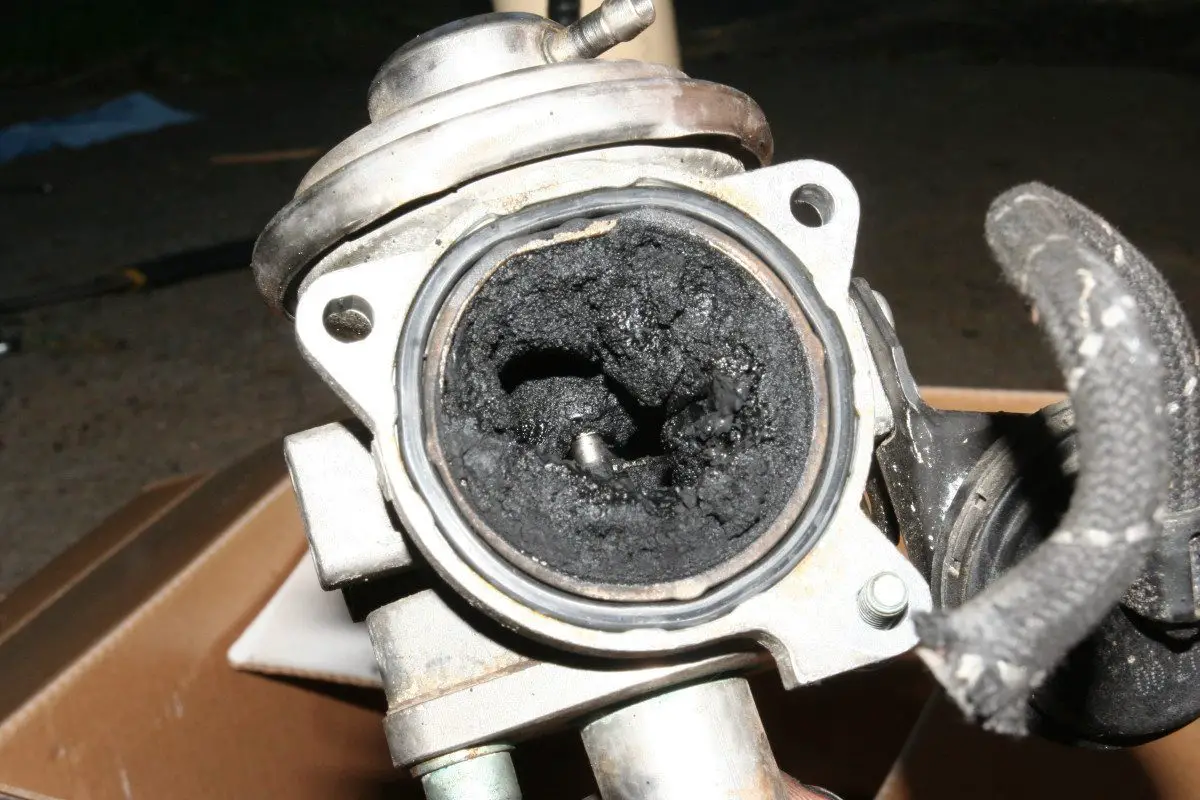
The Exhaust Gas Recirculation (EGR) valve introduces a measured amount of exhaust gas into the intake manifold for re-combustion. This helps reduce engine temperature and harmful emissions. But the valve can fail and remain open or closed. When the valve remains open, it can prevent your engine from starting. Other symptoms of a stuck EGR valve are rough idle and stalling.
2. Cold Start Injector
Some vehicle models use a cold start injector. It works like a regular injector but only operates when the engine is cold. The injector may have its own thermal switch or may be controlled by the system control module. If the switch or computer circuit fails, you may have trouble starting the engine during cold months. Consult your vehicle repair manual if necessary.
3. MAP
The Manifold Absolute Pressure (MAP) sensor compares barometric (atmospheric) pressure to the intake manifold vacuum. When the sensor fails, it can prevent your engine from starting. Not all vehicles use this sensor. Consult your vehicle’s repair manual.
4. MAF
The Mass Air Flow (MAF) sensor tells the computer the amount (density) of air entering the engine. A common MAF problem is dirt or foreign objects blocking the sensing element, preventing the sensor from functioning. Or the sensor itself may fail after miles of service. You can clean and test the sensor at home.
5. ECT
The computer uses the Engine Coolant Temperature (ECT) sensor to know how much fuel the engine needs and when to enter closed-loop operation (i.e., when the engine has reached operating temperature). Depending on your specific model, a faulty ECT sensor can disrupt ignition timing or the operation of the transmission or cooling fan. Consult your vehicle repair manual if necessary.