
Cars that haven’t started for months, perhaps even without oil, don’t take kindly to a brutal wake-up call. They can be as mean as a grizzly bear prematurely roused from hibernation, and you’ll pay the price for its anger.
Whether a car has been sitting for three months or three years, certain steps must be taken before you can simply turn it on and drive down the road, especially if you want to ensure many years of happy motoring. Before jumping in, perform some basic checks, including looking for leaks, corroded fittings, rotten hoses, or compromised seals. Also check for leaks in the power steering system, engine, transmission, rear axle, and brakes.
01 of 05 Replace Fluids
How long the car has been sitting will determine which fluids need to be drained and replaced. For example, if you find an old but sweet ride in someone’s barn that has been sitting for years, you’ll need to drain, bleed, and/or flush all fluid systems, then refill them.
If, on the other hand, your car has only been hibernating during the winter months, do a full oil and filter change, then drain any gas in the tank and the carburetor float bowls. Next, flush the fuel lines and drain, flush, and replace the radiator coolant. Check all other fluids to ensure they are filled to the required levels and fill your tires with plenty of air.
02 of 05 Check the Battery
Hopefully, before the car was parked long-term, its battery was disconnected, removed, and safely stored away from moisture. Then, all you would have to do is clean the battery terminals and posts with a baking soda and water solution, charge it properly, and reinstall it.
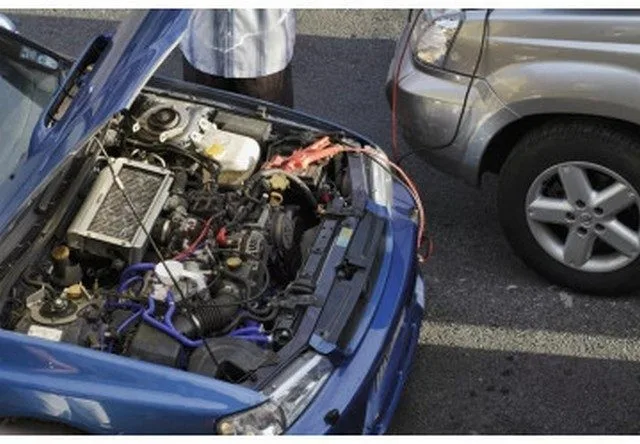
If, on the other hand, the car had been sitting for many years with the battery left in place, you should buy a new battery and install it with new cables. The copper in battery cables loses its conductive properties with age.
03 of 05 Prepare for Ignition
If the car has been sitting for more than 90 days, you should remove the spark plugs and introduce some form of lubricant like Marvel Mystery Oil into the cylinders. Your spark plugs fire in a specific order, so you must label each spark plug wire before removing them. Be aware that new connection wires can be expensive, so make sure to remove them by gripping at a point closest to the engine. Inspect the car’s spark plugs and replace them if they appear corroded, white, or oily.
Once the plugs are removed, turn the engine over several times with the key to allow the oil you put in the cylinders to lubricate the cylinder walls and prime the oil and fuel pumps before ignition. You should continue turning the engine over until the oil pressure gauge reads normal or your oil pressure light goes out before reinstalling the spark plugs and returning them to their correct position.
Since you removed all the old gasoline, you’ll need to remove the air filter cover and generously spray engine starting fluid into the carburetor throats. Then, with a few pumps of the accelerator pedal and giving it a little choke, your sleeping beauty should come to life.
04 of 05 Before Leaving the Garage
Don’t take the car out just yet. Don’t even rev the engine, let it idle and warm up. With the car running, put the air filter cover back on, check the transmission fluid level, and check under the car for any fluid leaks. Then turn off the engine and check that all hoses are free of dry rot and look for cracked or loose belts.
Give the suspension a good lubricating and look for worn or loose ball joints, deteriorated bushings, rusty shafts, leaks at the shock absorbers, and missing or broken shock mounts.
Also carefully check your brakes. With the car jacked up, spin each wheel by hand while someone operates the pedal. Each wheel should brake firmly and release cleanly. Your inspection should include checking the condition of the friction linings, drums, and rotors. Calipers and wheel cylinders are prone to corrosion as well as leaks, so check them too.
Finally, don’t forget to check your lights. With an assistant, activate the turn signals, headlights, brake lights, and high beams to ensure they are functional. Replace any blown fuses and recheck.
05 of 05 You Are Now Ready to Drive
A 20-minute drive near your home will loosen everything up and evaporate any moisture in the exhaust and engine. It will also give you a chance to listen for engine rattles and misfires, while keeping an eye on the car’s gauges for abnormal engine temperatures, battery charge, and oil pressure.
Once you’re back home, make a list of what you discovered during the drive, such as engine knocking, brakes pulling to one side, stiff steering, etc. Additionally, recheck your fluids and look for any new leaks that the “loosening up” might have created. Once you’ve addressed all the issues, you should take the car out for longer drives.
It might seem like a lot of work just to get a car running, but if you want the engine to give you years of trouble-free service, a little elbow grease now will save you a big headache later.