
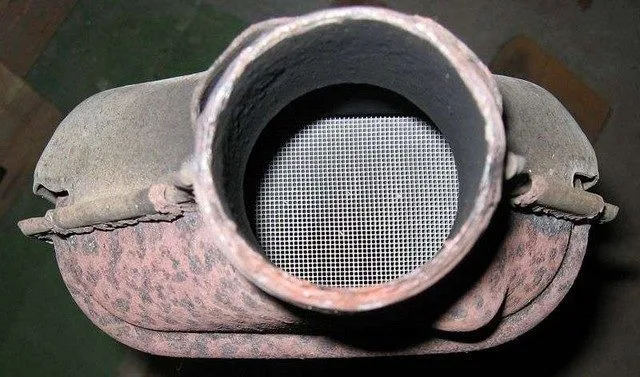
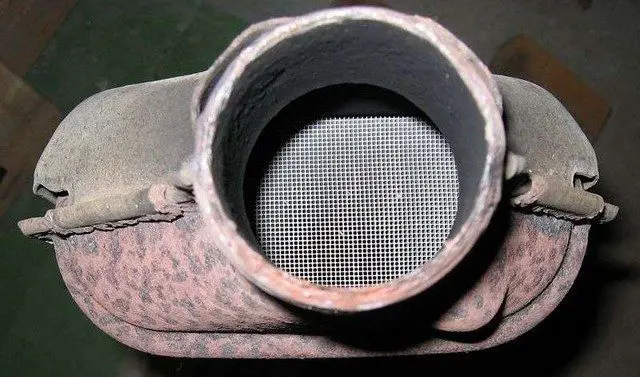
The catalytic converter is part of the exhaust system and processes all exhaust gases leaving the engine before they can escape into the atmosphere. A faulty or clogged catalytic converter can eventually lead to engine failure, so it’s important to address the issue quickly. However, having catalytic converter problems does not necessarily mean the converter needs to be replaced. You may be able to repair your catalytic converter without replacing it by using one of the following methods.
How Catalytic Converters Work
Today’s automobiles are cleaner and more powerful than ever, largely due to electronic controls and emission control devices, including catalytic converters. In your engine, fuel combines with oxygen from the air, triggered by a spark or the heat of compression. Ideally, this chemical reaction would only produce motive power, water vapor (H2O), and carbon dioxide (CO2). However, under real driving conditions, the ideal is hard to achieve, resulting in harmful emissions.
The catalytic converter uses precious metals and high heat to oxidize and reduce harmful emissions, converting them into safer compounds like H2O, CO2, nitrogen (N2). Due to how they are built, using rare metals like platinum, palladium, and rhodium, catalytic converters are expensive, costing up to $1000 (not including diagnosis and installation).
Signs of a Catalytic Converter Problem
The engine accelerates poorly or is hard to start. These issues could indicate a clogged catalytic converter, limiting exhaust flow out of the engine. A clogged catalyst essentially “chokes” the engine, preventing it from “exhaling” the exhaust gases.
A sulfur or rotten egg smell indicates the formation of hydrogen sulfide (H2S), a likely sign of catalytic converter contamination. The smell of ammonia (NH3) can also indicate poor catalyst function.
If the catalytic converter housing is discolored or bluish, there may be an internal leak or overheating.
A rattling noise when starting the engine may indicate a broken catalyst.
Failing the annual or semi-annual emissions test could also be related to a faulty catalytic converter.
Vehicle warning lights. A Check Engine light or Malfunction Indicator Lamp (CEL or MIL) with a catalytic converter diagnostic trouble code (DTC) is the most common indicator of a catalytic converter problem. If the Engine Control Module (ECM) detects a catalytic converter issue, it may log DTC P0420, defined as “Catalyst System Efficiency Below Threshold.”
The “Italian Tune-Up”
The “Italian Tune-Up” is a common solution for a range of car problems, including a clogged catalytic converter. Many drivers simply don’t push their vehicle hard enough to heat the catalytic converter to its most efficient temperature – between 800 °F (426 °C) and 1,832 °F (1,000 °C) – which leads to premature failure.
Driving a vehicle harder than usual for a few miles (e.g., several hard accelerations) can adequately heat the converter and burn off performance-reducing deposits in the intake, cylinder head, exhaust, oxygen sensors, and catalytic converter.
Fuels and Fuel Additives
A different fuel or fuel “additive” can be effective in cleaning catalytic converter deposits. For example, if you typically fill your vehicle with the cheapest low-octane fuel, try running your vehicle with a few tanks of high-octane fuel.
Adding a gallon of lacquer thinner to ten gallons of gas at your next fill-up can also be effective in removing catalytic converter deposits. You can try one of these methods in combination with the Italian tune-up method.
Correct Engine Operation
You may need to address other engine issues in order to resolve your catalytic converter problem. A lazy oxygen sensor might incorrectly indicate a catalytic converter problem but not set a DTC for itself. A technician can determine if the sensor is responding as it should.
Other engine problems, such as fuel mixture being too rich or too lean, burning oil or coolant, or engine misfire issues could all lead to catalytic converter contamination or premature failure. Depending on the extent of the damage already caused, fixing engine problems might save the catalytic converter from melting.
Addressing Exhaust Issues
Exhaust leaks are common and can skew oxygen sensor readings without setting other DTCs. A thorough search might reveal exhaust leaks that, once repaired, “restore” the catalytic converter’s function, at least from the ECM’s perspective.
Worn exhaust gaskets and corroded flex pipes are two common issues that are significantly cheaper and more effective to fix than replacing a catalytic converter.
Cleaning the Catalytic Converter
Removing and cleaning the catalytic converter is another potential solution. After removing the catalytic converter, use a high-pressure cleaner to remove all contaminants from the substrate. Make sure to rinse the unit from both ends.
Another way to clean the catalytic converter is to soak it overnight in a combination of hot water and degreaser or laundry detergent. This process takes longer but is necessary to dissolve deposits clogging your catalytic converter. After washing or soaking, make sure the catalytic converter is completely dry before reinstalling it.
Make Your Catalytic Converter Last Longer
Sometimes the catalytic converter absolutely must be replaced (such as if it’s broken internally or melted). If you have to replace your catalytic converter, make sure it lasts as long as possible with these tips.
- Cars like to be driven. Don’t let your car sit for weeks without being driven, and make sure to take a few long trips rather than only short ones. To reach the proper operating temperature, spend at least 20 minutes driving at highway speed once a week.
- Follow regular maintenance, such as oil changes, air filter changes, and regular inspections. If you or your technician see something that needs attention, address it immediately to avoid damaging the catalytic converter.
- Address the Check Engine light promptly. If the MIL comes on, the engine is likely running in open loop, relying on programming rather than feedback. In open loop, the engine may run too rich or too lean, which can damage the catalytic converter.
- Consider switching to high-octane fuel, at least periodically, if you find that switching to high-octane fuel resolved your catalytic converter issue. The initial change cleans the catalytic converter, but a permanent switch could maintain it for the life of your vehicle.