
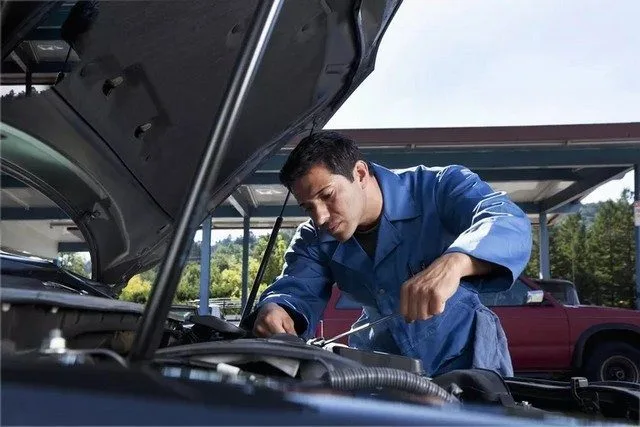
If the heart of an automobile is the engine, the heart of the engine is the oil pump, pumping engine oil to lubricate moving parts, remove waste heat, and drive hydraulics. On many older vehicles, an oil pressure gauge in the instrument cluster gave a visual indication of actual oil pressure, typically reaching 50 to 60 psi. Most modern vehicles, however, have eliminated the oil pressure gauge, replacing it with a simple low oil pressure warning light, which illuminates when oil pressure drops below 5 to 7 psi.
Generally speaking, if your vehicle is equipped with an oil pressure gauge, it should never dip into the red zone at the bottom of the gauge. In the case where your vehicle is only equipped with a warning light, it should never come on when the engine is running. If the gauge falls into the red or the warning light stays on, immediately stop driving and turn off the engine. Insufficient oil pressure will quickly lead to expensive engine damage.
Oil pressure depends on several critical factors, such as oil supply, oil type, engine condition, oil pump condition, and weather conditions, to name a few. Here are some possible causes of low oil pressure and how to fix them.
01 Oil Supply Problems
Logically, if there isn’t enough oil reaching the oil pump, then the oil pump won’t be able to generate sufficient pressure in the engine lubrication system.
If the oil level is low, the oil pump will have nothing to work with. A low oil level can also manifest as intermittent low oil pressure in high-speed turns, as the oil in the pan sloshes to the side and away from the oil pickup tube. Simply adding engine oil may temporarily solve the oil pressure issue, but you’ll still need to address the cause, such as oil burning or oil leaks. Oil burning is caused by worn piston rings, worn valve guides or seals, turbocharger leaks, or excessive blow-by. Fixing oil leaks or burning oil could involve serious engine repairs or could be as simple as replacing the drain plug gasket.
Engine sludge gets stuck everywhere and can easily clog the pickup tube screen, starving the oil pump and the rest of your engine. Engine sludge is caused by a lack of maintenance, but last-minute maintenance may not be enough to fix the problem. The engine will likely need to be disassembled and cleaned.
A faulty or clogged oil filter could restrict oil flow to the oil pump. If everything else seems correct, replacing the oil filter might solve this issue.
02 Incorrect Oil Viscosity
Most modern engines use multi-viscosity engine oils, mostly all-season. In northern climates, seasonal temperatures can swing over 100°F, from summer highs above 90°F to winter lows below -10°F. Multi-viscosity oils flow thin in cold weather but thicken as temperatures rise, retaining proper lubricating properties. Using a low-viscosity oil in winter improves cold-start lubrication but would be too thin under hot engine operating conditions in summer, leading to low oil pressure and possible engine damage.
At the next oil change, it’s quite possible the recommended blend isn’t available, in which case another oil may be substituted. If you experience low oil pressure issues after an oil change or seasonal change, an oil change with the correct oil viscosity can remedy the situation.
Some vehicles may specify different summer and winter oil blends. Be sure to perform all oil change services with the appropriate oil before the season changes.
03 Electrical Issues
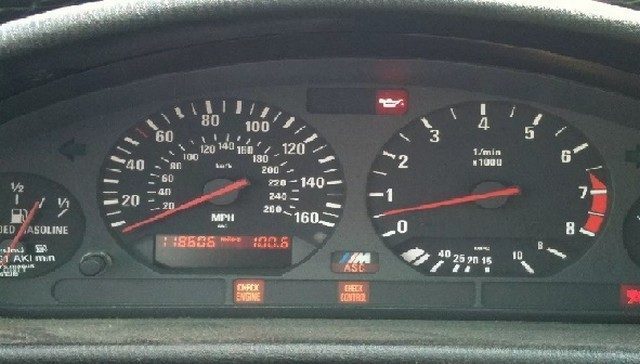
While many older oil pressure gauges were true hydro-mechanical gauges, warning lights and most modern gauges are electrical or electronic. When investigating low oil pressure issues, the best way to test actual oil pressure is to use a pressure gauge, which you could rent from an auto parts store. If the actual oil pressure is good, electrical issues can cause warning lights or incorrect gauge readings.
Faulty oil pressure sensors, also called pressure switches or sending units, are common failure points, constantly under pressure in a hot environment. Following your vehicle’s repair manual, use a digital multimeter (DMM) to check the sensor when the engine is running after verifying actual pressure with the tool.
Short circuits and open circuits can also cause false pressure warnings. Use a digital multimeter and a repair manual to trace the appropriate circuits for repair.
04 Engine Problems
When the engine is new and oil clearances are the tightest, as low as 0.002 inches, oil pressure will be at its highest, as this restriction determines oil flow and oil pressure, all else being equal. As the engine accumulates mileage, bearing clearance, especially at the rear of the engine, opposite the oil pump, tends to increase. Increased bearing clearance allows oil to flow out more quickly, reducing pressure throughout the system. Similarly, oil pump wear can bleed off pressure before it enters the system.
In this case, one way to fix oil pressure is to use a higher viscosity oil, such as switching from 5W-20 to 10W-30. This slight change in oil viscosity can compensate for the increased bearing clearance and bring oil pressure back to normal.
However, the best way to fix this type of oil pressure issue is to repair the bearings. During an engine rebuild, thicker bearings reduce clearance and restore oil pressure.
Oil pump wear can bleed off oil pressure within the pump. A higher viscosity oil can solve this problem, but a new oil pump is a better solution.
A broken oil pump shaft or oil pump drive belt can be harder to identify, requiring some disassembly. The only way to fix this is to replace the broken parts.
No matter the mileage of the car you drive, it’s a good idea to pay attention to its lifeblood, the correct viscosity at the proper level, adjusting for engine wear and seasonal changes. If the oil pressure warning light comes on, stop and check everything before lack of lubrication turns your engine into a lawn ornament.