
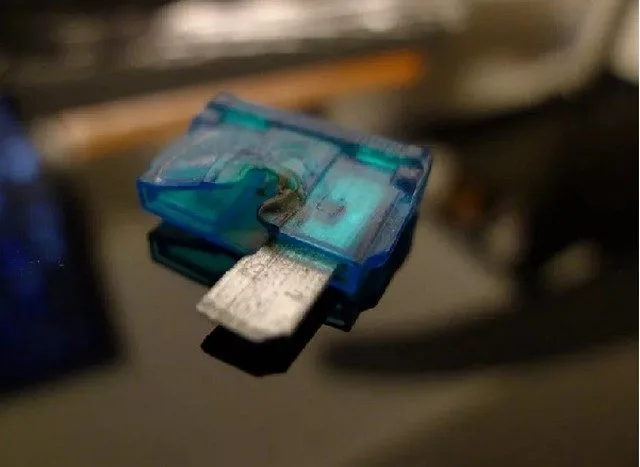
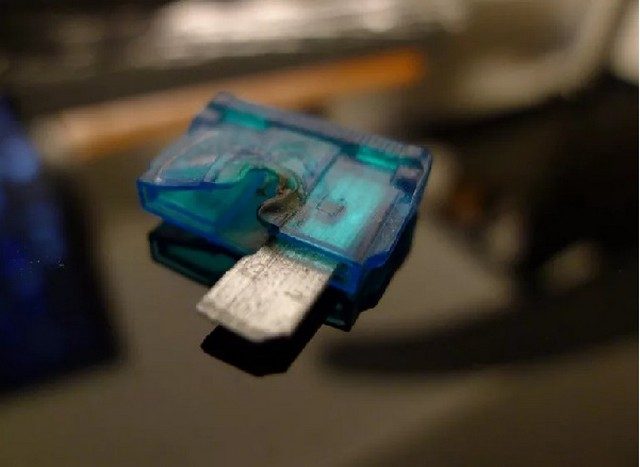
At its core, a short circuit is a fault in the wiring harness, which shunts electricity between circuits before it reaches its destination. A short circuit should not be confused with an open circuit, in which current does not flow at all. Although the symptoms of a short circuit can be similar to those of an open circuit, the diagnosis is a bit different. There are several ways to cause a short circuit, and it is generally not easy to find and repair. To understand how to find a short circuit, however, we need to understand how a properly functioning circuit works.
How Car Electrical Circuits Work
The electrical wiring diagram is the most intimate you can get with your car.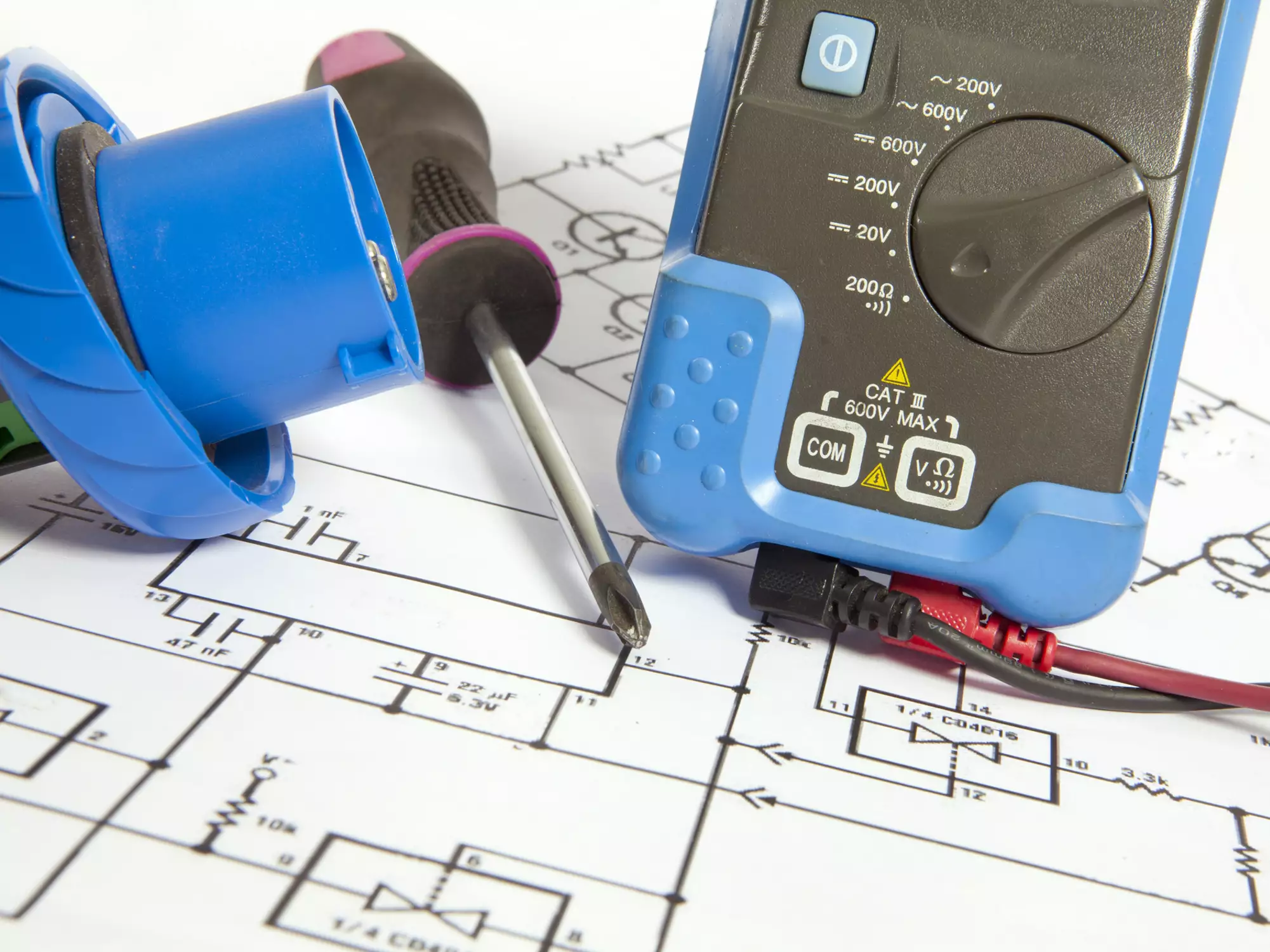
There are many ways electricity is carried in the car’s electrical system, and a short circuit could easily interrupt the proper flow of electricity in any one of them. We can roughly divide the car’s electrical system into sensor and actuator circuits. Sensor types include oxygen sensors, light sensors, switches, speed sensors, and similar. Actuators can be motors or lights, or similar.
A typical sensor circuit, for example engine coolant temperature, could be the wiring between the Engine Control Module (ECM) and the Engine Coolant Temperature (ECT) sensor. The ECM may be located behind the glove box, while the ECT sensor is on the engine. The ECM sends a 5 V reference voltage to the ECT, which changes resistance based on temperature. When the ECT sensor is cold, it has higher resistance, so less voltage returns to the ECM. As the engine warms up, the ECT sensor’s resistance decreases proportionally, returning a higher voltage to the ECM.
A typical actuator circuit, for example a headlight, includes the wiring from the battery, through fuses and relays, the headlight switch, to the headlight bulb, and then to the battery. The headlight switch is always powered, but does not route it until the driver has activated the switch.
In either of these circuits, proper operation is ensured as long as the wiring is intact, but there are many ways to interrupt any circuit. Rodent damage, chafing wires, poor installation practices, water intrusion, and impact damage are just a few of the things that can interrupt your car’s electrical circuits. Accidentally running a screw through a wiring harness is a great way to cause a short to ground or a short to power or both.
Types of Short Circuits
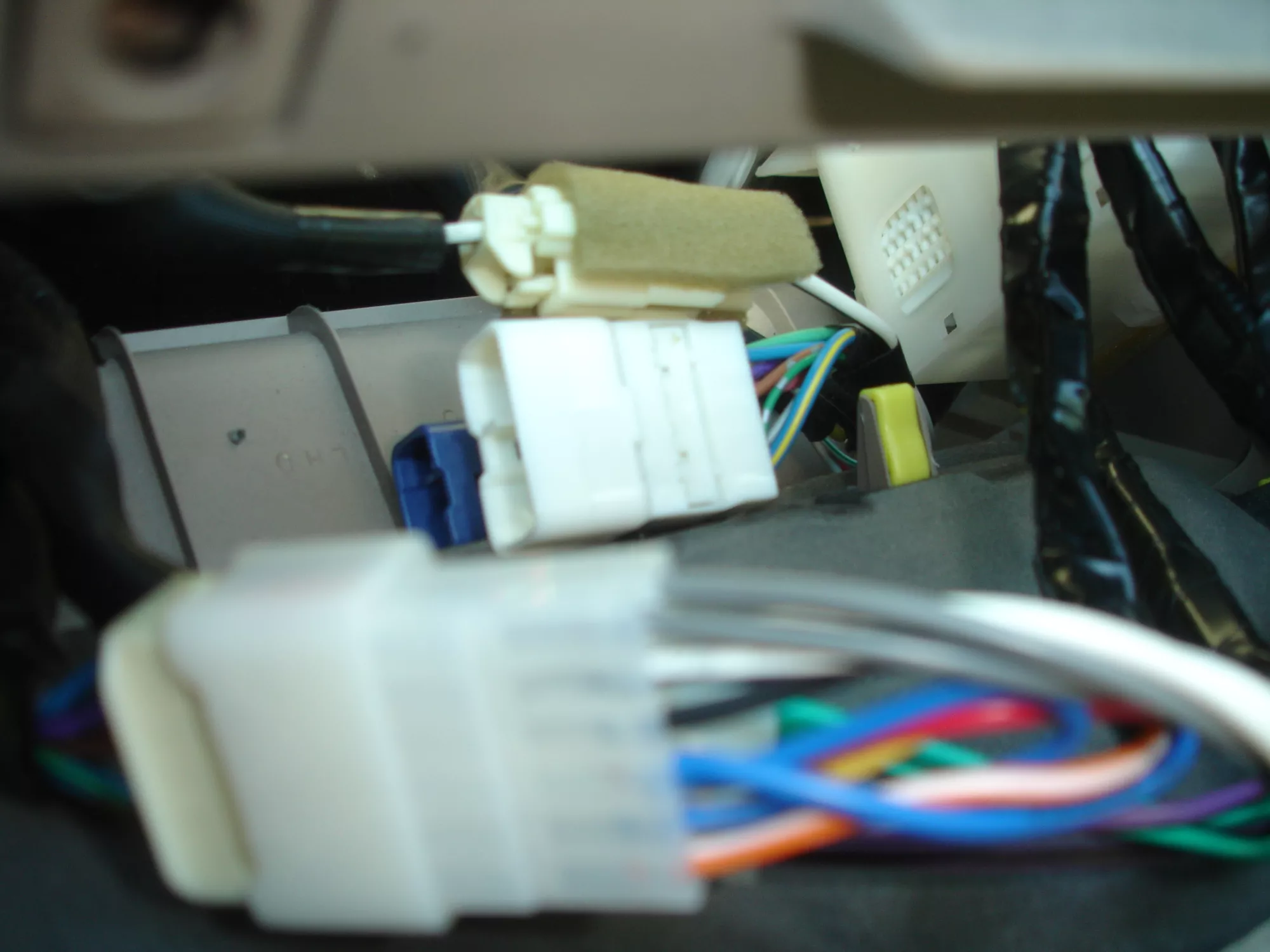
Understanding wire colors, connectors, and routing will help you find short circuits.
There are two types of short circuits, short circuit and short to ground, in which electricity takes an unintended shortcut without passing through the intended sensor or actuator.
Short to Ground – A short to ground refers to current flowing from the circuit to the car’s body. Wires can chafe and lose their insulation, contacting the body or engine. A short to ground can result in blown fuses, inoperative lights or motors, or “missing” sensors. For example, a chafed wire can short to ground, which could blow the headlight fuse, thus protecting the circuit from overheating, but cutting off the headlights.
Short to Power – In the wiring harness, with many circuits in close proximity, there is a risk of a short to power. In this case, chafed or cut wires can connect to each other, allowing current to flow where it is not intended. For example, someone installing an aftermarket device might drive a screw into a wiring harness, inadvertently drilling through and “connecting” several wires. Turning on the headlights might send current to the horn, or pressing the brake might light up the reverse lights.
With all the technology in the modern automobile, from powertrain management to entertainment systems and everything in between, it’s no wonder the amount of electrical wiring needed to connect it all. Metal recyclers estimate that some 1,500 wires, about a mile connected end to end, keep the average modern luxury car connected, for example. Short circuits can damage electronic components, turn on the check engine light, blow fuses, drain the battery, or leave you stranded.
It may seem complicated, but the best thing you can do is divide and conquer. Modern Electrical Wiring Diagrams (EWD) are color-coded, which can make diagnosis easier, although diagnosing a short circuit is still no walk in the park.
How to Find a Short Circuit
A multimeter used to find short circuits in the car electrical system.

Tracing a short circuit takes time and patience. To get started, you will need an EWD for your vehicle, a test light or multimeter, and tools to access the wiring harness. First, identify the circuit you are looking at. You need to see where it goes, what connectors it passes through, and what color the wires are.
When testing 12 V circuits, you can usually start with the fuse in the circuit in question. Remove the fuse and connect the test light between the terminals of the fuse socket. The multimeter, set to measure continuity, can be used in the same way. Disconnect the positive battery, place the positive probe on the load side of the fuse, attach the negative probe to the battery negative. If there is a short circuit, the test light will illuminate or the multimeter will beep. Now, divide and conquer.
Disconnect the load or sensor connector. If the test light goes out (or the multimeter stops beeping), it may indicate an internal fault in the load (a blown bulb or motor can do this).
Reconnect the load connector and disconnect something halfway in the circuit, such as at the switch. If the test light goes out (or the meter, well, you get the idea), you know the short circuit is somewhere between the switch and the load. Focus your attention on that section of the wiring harness.
Jiggling the wiring harness and flexing it can break the short circuit, thus allowing you to at least identify its location. If the light goes out, you know you have broken the short circuit.
If the test light did not go out (or the meter) with the switch disconnected, it means the short circuit is still somewhere between the fuse and the switch. Look for another place to disconnect the wires and see if the test light goes out. Keep dividing the circuit by disconnecting connectors and waiting for the test light to go out.
On 5 V circuits, such as those used by the ECM to sense and control the engine and transmission, disconnect the ECM and the battery, set the multimeter to measure continuity, and probe between the circuit and the body ground or engine ground. Follow the same divide and conquer method to determine the approximate location of the short circuit.
Once you have found the short circuit, you can repair it. Before reconnecting the battery or putting in a new fuse, check for short circuits again with the test light or multimeter.
Look for another place to disconnect the wires and see if the test light goes out. Keep dividing the circuit by disconnecting connectors and waiting for the test light to go out. On 5 V circuits, such as those used by the ECM to sense and control the engine and transmission, disconnect the ECM and the battery, set the multimeter to measure continuity, and probe between the circuit and the body ground or engine ground. Follow the same divide and conquer method to determine the approximate location of the short circuit. Once you have found the short circuit, you can repair it. Before reconnecting the battery or putting in a new fuse, check for short circuits again with the test light or multimeter.