
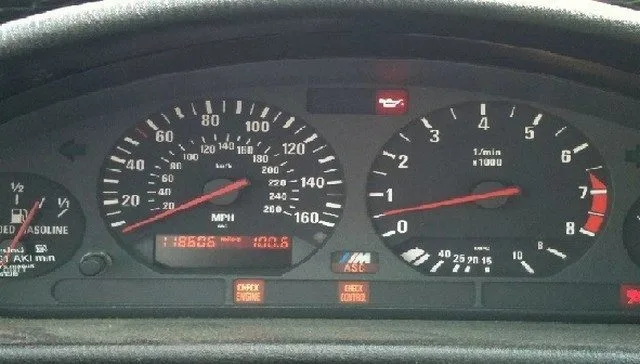
A car engine’s idle is a bit like a human heartbeat: you can tell what shape it’s in just by listening.
Idle Problems
Things like slow idle, fast idle, rough idle, or stalling after a few seconds at idle – are symptoms that something is wrong with your engine. These should be inspected, diagnosed, and repaired as soon as possible. You can probably perform some of these repairs yourself, while others will require a professional mechanic to sort out.
Rough idle in the cold
It’s cold and you stop at a red light. You take your foot off the accelerator pedal to apply the brake, but your engine starts idling very roughly, then it stalls. Yet, when you restart the engine and run the car at higher speeds, it seems to run fine, or at least smoother. Here’s what could be wrong:
If you have a carburetor, you might have a bad accelerator pump or a choke circuit. The fix: replace the accelerator pump or replace the carburetor.
There might be a vacuum leak. The fix: check and replace vacuum lines as needed.
There might be some type of ignition problem. The fix: check and replace the distributor cap, rotor, ignition wires, and spark plugs.
The ignition timing might be set incorrectly. The fix: adjust the ignition timing.
There might be a failure in the computerized engine control system. The fix: take your car to your mechanic or dealer to check the engine control system with a scan tool. They will test the circuits and repair or replace components as needed.
The EGR valve might be faulty. The fix: replace the EGR valve.
The engine might have mechanical issues. The fix: check the compression to determine the engine’s condition.
The idle is set incorrectly. The fix: adjust the idle to the car’s original settings.
The fuel injectors might be dirty. The fix: clean or replace the fuel injectors.
Rough idle with a hot engine
If you experience the same problem as in the cold, only your engine is warm, even hot, it could indicate the following issues:
If you have a carburetor, you might have a bad accelerator pump or a choke circuit. The fix: replace the accelerator pump or replace the carburetor.
There might be a vacuum leak. The fix: check and replace vacuum lines as needed.
The fuel pressure regulator might be operating at too low a pressure. The fix: check the fuel pressure with a pressure gauge. Have your fuel pressure regulator replaced.
The idle speed is not set correctly. The fix: adjust the idle speed to specifications.
There might be some type of ignition problem. The fix: check and replace the distributor cap, rotor, ignition wires, and spark plugs.
There might be a failure in the computerized engine control system. The fix: take your car to your mechanic or dealer to check the engine control system with a scan tool. They will test the circuits and repair or replace components as needed.
The EGR valve might be faulty. The fix: replace the EGR valve.
The engine might have mechanical issues. The fix: check the compression to determine the engine’s condition.
The fuel injectors might be dirty. The fix: clean or replace the fuel injectors.
Fast idle
Even after the engine has run long enough to become warm, the idle speed does not return to normal but continues to idle at a fast pace. You really notice it when you come to a stop, after which you have to press the brake pedal hard to keep the car from moving. Here’s what might be happening:
If you have a carburetor, you might have a bad accelerator pump or a choke circuit. The fix: replace the accelerator pump or replace the carburetor.
The engine might be overheating. The fix: check and repair the cooling system.
The fuel pressure regulator might be operating at too low a pressure. The fix: check the fuel pressure with a pressure gauge. Replace the fuel pressure regulator. (This isn’t really a DIY job, except for the most experienced mechanics.)
The ignition timing might be set incorrectly. The fix: adjust the ignition timing.
There might be some type of ignition problem. The fix: check and replace the distributor cap, rotor, ignition wires, and spark plugs.
There might be a failure in the computerized engine control system. The fix: take your car to your mechanic or dealer to check the engine control systems with a scan tool. They will test the circuits and repair or replace components as needed.
There might be a vacuum leak. The fix: check and replace vacuum lines as needed.
You have a faulty idle control unit. The fix: replace the idle control unit.
The alternator might not be working properly. The fix: replace the alternator.
Stalling at a Stop
You’re driving along and everything is fine, until you release the accelerator pedal and apply the brakes. At that point, the engine starts shaking and may even stall. Here are some possible causes:
There might be a severe vacuum leak. The fix: check and replace vacuum lines as needed.
There might be a failure in the computerized engine control system. The fix: take your car to your mechanic or dealer to check the engine control system with a scan tool. They will test the circuits and repair or replace components as needed.
Broken linkage. The fix: repair or replace the linkage as needed.
Idle problems can be frustrating, but with patient troubleshooting, you have a real chance of solving it. Remember to always check your engine’s idle with the air conditioning and defroster turned off, as both systems are designed to change the idle when they are on due to the demands they place on the engine.