
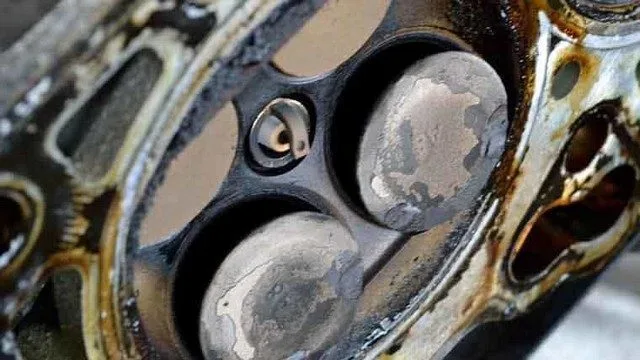
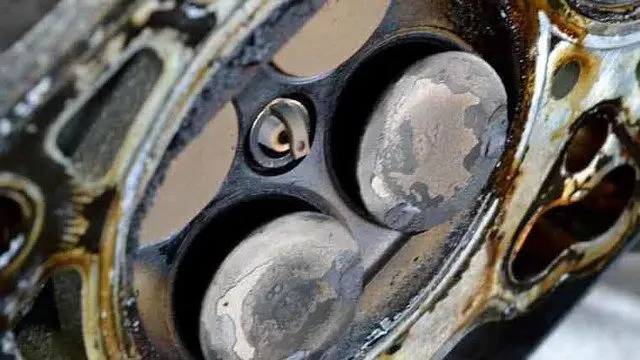
Every vehicle equipped with an internal combustion engine has an intake valve and an exhaust valve. The intake valve is located in the cylinder head.
When the engine is ready to draw the air-fuel mixture into the cylinder, the intake valve will open and allow the mixture to enter the chamber for combustion. After that, the exhaust valve will open so that all the burned gases and exhaust fumes can be released from the cylinder. The intake and exhaust valves must function properly for the internal combustion process to proceed smoothly.
If you change your oil regularly and maintain your engine, you should be able to get many thousands of kilometers out of your exhaust valve and intake valve. However, if your engine starts to have overheating issues, it could cause the valves to contact the top of the pistons and bend. This will damage many components in addition to the pistons, such as the camshaft, valve train components, and valve guides.
1) Low engine oil level – A low engine oil level should be the first thing to check. As you know, oil is necessary to lubricate the engine and cool its rotating components. If there were a lack of oil in the engine, it would create more friction. Once this happens, more heat is generated, and the valves then stick in the valve guides. This results in the valves connecting with the pistons, causing the valves to bend.
2) Over-revving – Most modern internal combustion engines are designed never to exceed a certain RPM. This is done for safety reasons so that your engine lasts a long time. If your engine were to run at a faster RPM than the maximum allowed, the valves would bend and the engine would be damaged. This abnormal increase in RPM is called over-revving, which stretches the valves and causes them to come into contact with the pistons. That is how they bend.
3) Timing belt failure – Your engine is equipped with a timing belt that keeps it running smoothly. If this timing belt were to break or become damaged, the valves and pistons would eventually come into contact with each other as the engine continues to run. This happens because the timing between the valves and pistons is thrown off. The timing belt must be replaced to fix this issue.