
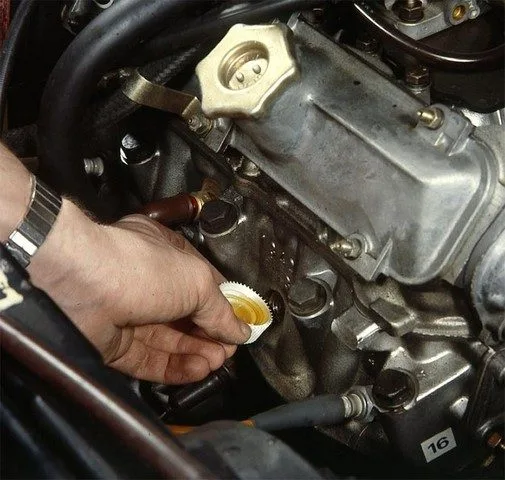
The internal combustion process involves mixing gasoline and air inside the engine cylinders. This is called engine compression. Each engine cylinder must have the correct amount of compression if the combustion process is to proceed properly.
If compression ends up being too low in one of the cylinders, your vehicle will not be able to run normally. Then you will notice that your engine’s performance is significantly reduced, making it difficult to accelerate and drive the car as usual.
If you had no compression in all cylinders, you wouldn’t be able to start your car at all.
Tips for Inspecting Low Compression
If you notice symptoms of low car engine compression, the next step is to determine what caused your engine’s loss of compression in the first place. Here are the top 5 reasons for low engine compression.
1) The Timing Belt is Bad
The crankshaft and camshaft are connected by the timing belt. This is how they are able to rotate properly. If you have a damaged timing belt, the camshaft will not allow the intake and exhaust valves to open and close as they should.
This means the cylinders will undergo no combustion, so no gases will exit. Low compression results.
2) Piston Damage
The engine cylinders contain aluminum alloy pistons. This material is designed to maintain the engine’s combustion power. But if the engine gets too hot and starts to overheat, the piston will develop hot spots in its alloy.
If the extreme heat doesn’t go away, the hot spots will turn into holes. This will cause fuel to leak out of these holes. With less gasoline in the cylinders, you will have low compression.
3) Damaged Piston Rings
Your piston rings will be damaged if they are overexposed to heat. These rings prevent carbon dioxide gas from escaping the cylinder.
If the rings are damaged, gases will escape. Then you will have a low compression engine.
4) Gas Leaking Valves
All cylinders in an engine have intake and exhaust valves. The intake valve is where fuel and air flow before entering the cylinders. Once mixed, the combustion process takes place and causes the exhaust gases to exit.
These fumes pass through the exhaust valves at the right time. But if the valves withstand too much heat, fuel will leak out instead. This will result in low compression.
5) Faulty Head Gasket
The head gasket is located on the cylinder head area. It is another component that helps keep carbon gases trapped in the cylinder.
But if the head gasket were to be damaged or deteriorate for any reason, it could result in a gas leak. Once again, low compression will result.
Tips for Inspecting Low Compression
If you suspect the engine compression is low, you need to use a compression gauge to check it. It will take the gauge about 45 minutes to give you an accurate answer as to whether the compression is low or not.
If you don’t know how to use a compression gauge or don’t own one at all, simply take your vehicle to the nearest auto repair shop and ask them to perform the compression test.
If the results show that the engine compression is low, it is likely that one of the critical engine components is damaged.
Check the pistons, gaskets, cylinders, and valves to see if they are in good condition. If not, replace them immediately. The replacement cost will be significant due to the many labor hours that will be required.