
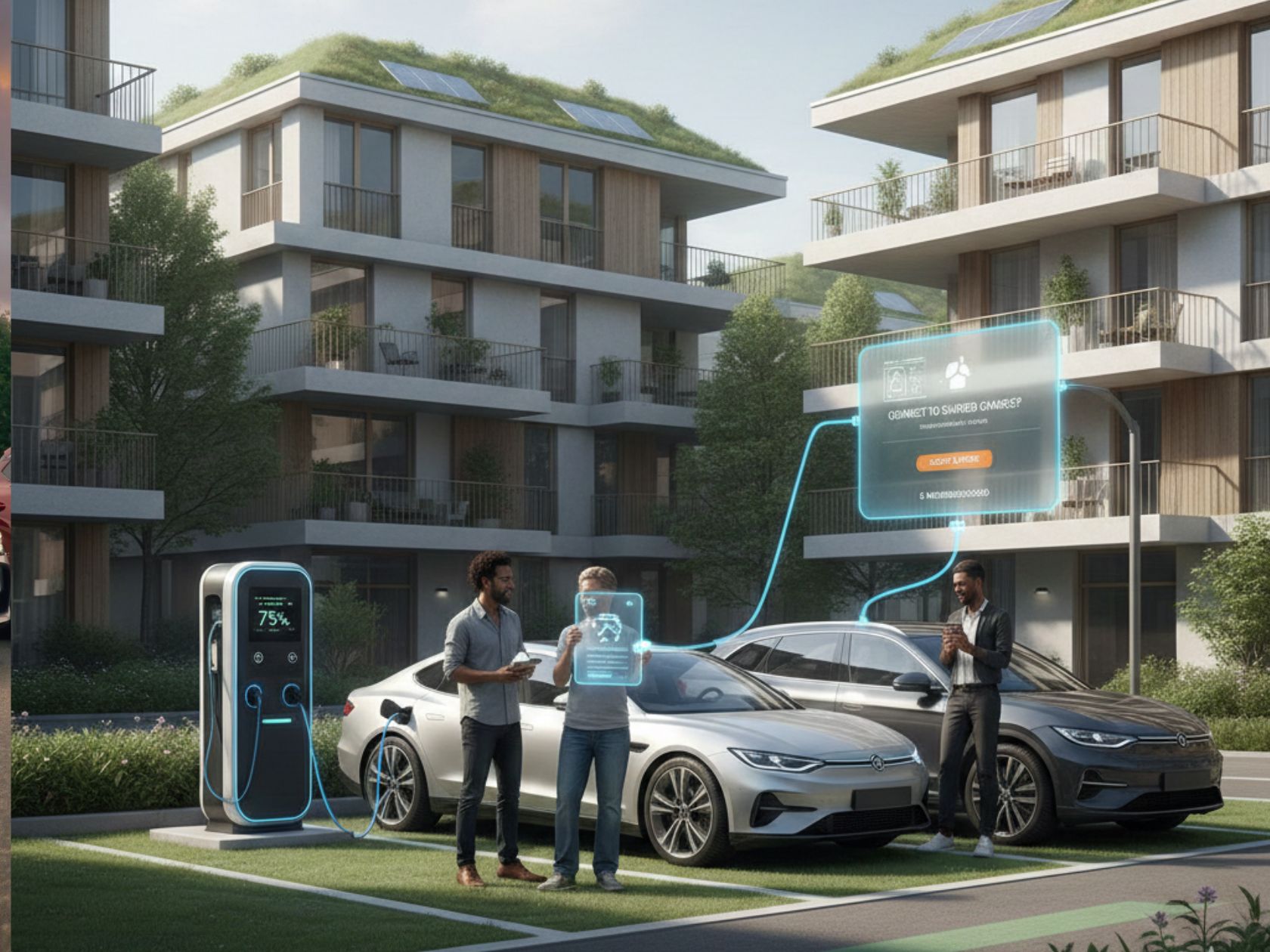
Neighbors Sharing Power: BYD’s New EV Charging Model
The electric vehicle revolution is not just about the cars themselves, but also about building a smarter, more communal infrastructure. Chinese automotive giant BYD is pioneering this shift with a novel service that allows owners of private home charging stations to share access with their neighbors. This peer-to-peer model represents a significant step towards optimizing existing resources and democratizing EV ownership.
Optimizing Infrastructure and Building Community
This initiative directly tackles a common barrier to EV adoption: charging anxiety. Not all residents, especially those in apartments or homes without dedicated parking, can install a personal charger. BYD’s platform creates a decentralized network, turning privately-owned wallboxes into semi-public assets. Neighbors can locate, book, and pay for charging sessions at a nearby shared point through a dedicated mobile application. For hosts, it offers a potential revenue stream to offset their electricity and installation costs, while ensuring their charger sees more use.
A Strategic Move in a Competitive Market
BYD’s foray into shared charging is a strategic expansion beyond manufacturing. By fostering a user-friendly ecosystem, the company enhances the overall value proposition of owning one of its vehicles. It also alleviates some pressure on public fast-charging networks, directing shorter, overnight charging sessions to local, lower-power sources. This model promotes energy efficiency by utilizing off-peak residential power and reduces the need for redundant hardware installations in dense urban areas.
If successfully scaled, this community-based approach could redefine urban EV infrastructure, making it more adaptive, resilient, and socially integrated. It sets a precedent for how automotive companies can leverage software and connectivity to solve practical challenges, turning individual assets into collective solutions for sustainable mobility.