
European Carmakers Face Strategic Setback with Combustion Engine Reprieve
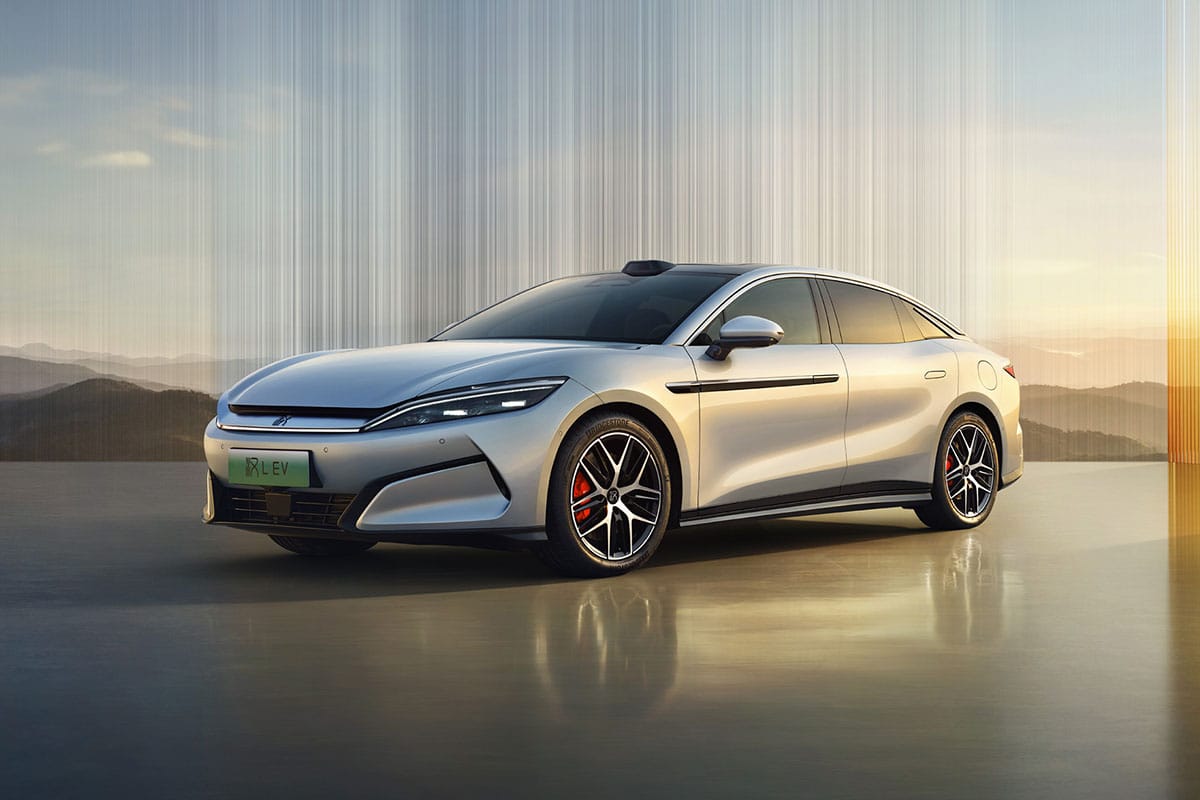
In a pivotal shift, the European Commission’s decision to postpone the ban on new internal combustion engine (ICE) vehicle sales has sparked a complex debate. While some European manufacturers may welcome the extra breathing room, industry analysts and global competitors like China’s BYD suggest this delay could ultimately weaken the region’s automotive sector. The reprieve risks slowing the urgent pace of investment and innovation needed to compete in the global electric vehicle market.
A Calculated Move with Unintended Consequences
The interim policy shift aims to address infrastructure and industrial transition concerns. However, it creates a strategic vacuum. Chinese EV giants, led by BYD, have interpreted this not as a relief for Europe but as a critical opportunity. Their aggressive expansion plans for the European market remain unchanged, funded by significant economies of scale and advanced, cost-effective battery technology. The delay may allow them to solidify their market presence with advanced, affordable EVs while some European brands remain partially committed to older technologies.
The Innovation Gap Widens
The core of BYD’s argument centers on competitive momentum. A firm regulatory deadline forces rapid technological development, supply chain localization, and production scaling. By softening this deadline, European carmakers might divert resources or slow their EV roadmaps, precisely when competitors are accelerating. This gap isn’t just about vehicles; it encompasses the entire EV ecosystem, including battery production, software-defined features, and charging solutions, where Asian manufacturers are building formidable leads.
Ultimately, the market will judge the outcome. Consumers presented with increasingly sophisticated and competitively priced Chinese EVs may gravitate towards them, regardless of the regulatory timeline for ICE vehicles. The delay of the combustion engine ban may therefore prove to be a short-term respite that leads to a long-term strategic disadvantage for traditional European manufacturers, who now face a dual challenge: managing a prolonged transition while fending off a well-prepared and ambitious new wave of competition.