
From Front-Wheel to Rear-Wheel Drive: An EV Enthusiast’s Journey
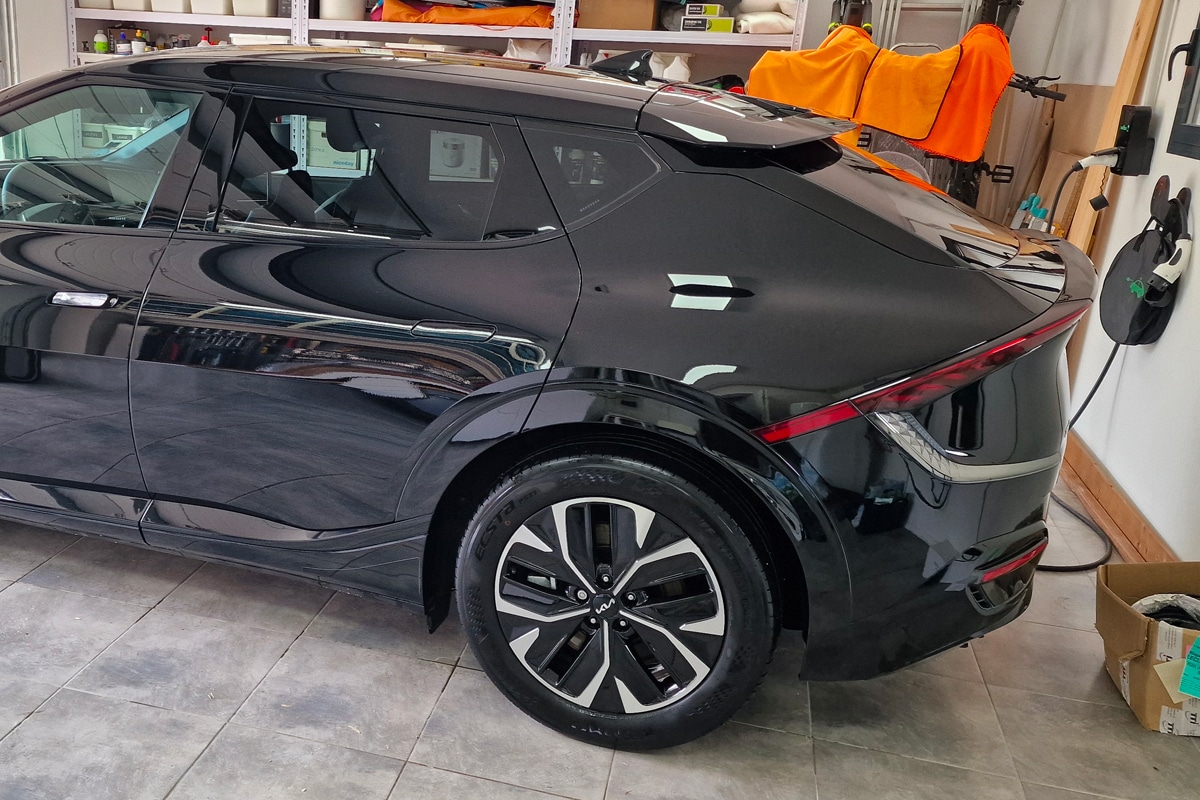
For many drivers, the transition to an electric vehicle is a leap into the unknown. For Didier, it began with the familiar feel of front-wheel drive. His initial experience with electric mobility came from models like the Hyundai Kona Electric. While he appreciated the instant torque and quiet operation, he felt the driving dynamics were similar to traditional combustion cars he had owned.
This first step was crucial, building confidence in EV technology and proving the practicality of electric driving for daily use. However, a test drive in a rear-wheel-drive electric model revealed a new dimension of performance.
The Allure of Rear-Wheel Drive Electric Performance
The shift to a rear-wheel-drive electric platform marked a turning point. Didier noticed immediate improvements in handling and driving feel. The balanced weight distribution, often inherent in EVs with a rear-mounted motor, provided a more engaging and sporty connection to the road.
He describes the acceleration as not only instantaneous but also more controlled and planted, especially when exiting corners. This configuration often allows for a more spacious interior, as there is no large transmission tunnel, enhancing cabin comfort and practicality.
Beyond Efficiency: The Driving Experience
While efficiency and low running costs were primary initial motivators, the driving experience became the key factor in his preference. The combination of a low center of gravity from the battery pack and the traction benefits of rear-wheel drive creates a uniquely confident and enjoyable ride.
This testimony highlights an evolving aspect of electric vehicle adoption. As the market matures, drivers are looking beyond simple electrification and beginning to select EVs based on specific performance characteristics and driving pleasure, much like they did with traditional vehicles.