
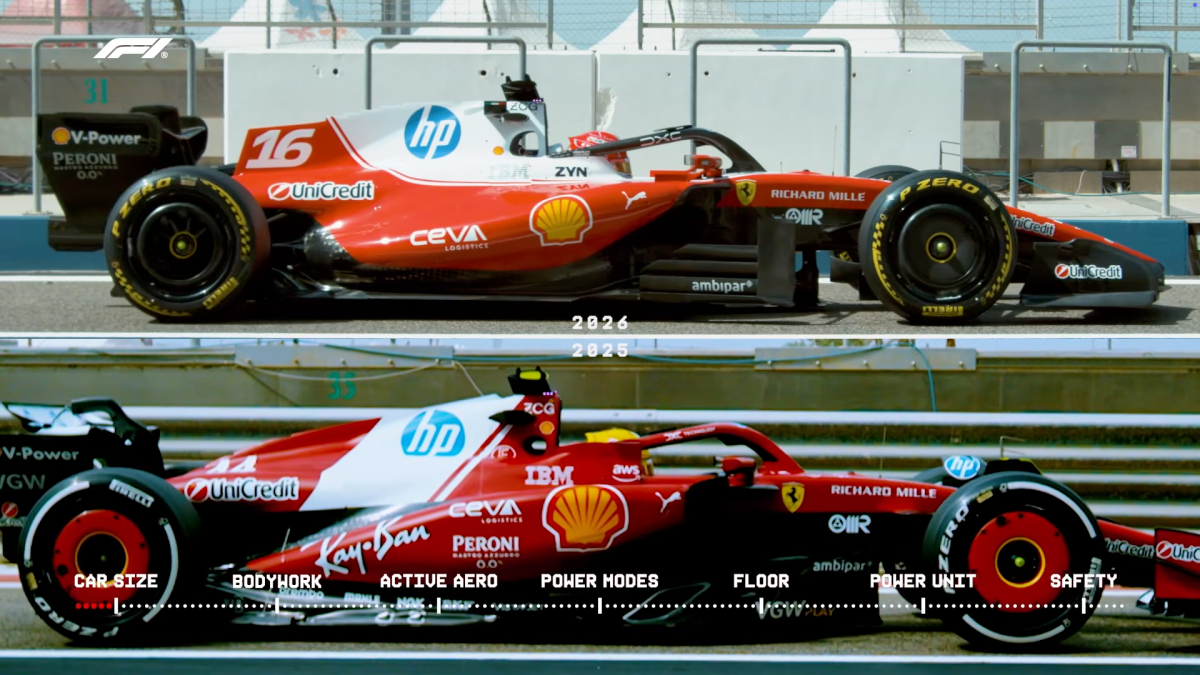
The 2026 F1 Revolution: A Smaller, Nimbler Future
The dawn of the 2026 Formula 1 season is set to deliver the most dramatic visual transformation in over a decade. Moving away from the current generation of lengthy machines, the new regulations mandate a significant reduction in car dimensions, heralding a return to more compact and agile single-seaters.
From Limousines to Sports Cars
For years, F1 cars have grown progressively longer and heavier, with wheelbases often exceeding 3.6 meters. This trend, driven by complex aerodynamic and powertrain packaging, is being decisively reversed. The 2026 rules will enforce a shorter wheelbase and reduce the car’s overall footprint. This shift promises to alter not just the aesthetics but the fundamental handling characteristics of the cars, potentially making them more responsive and improving wheel-to-wheel racing.
Engineering the Compact Power Unit
This downsizing is intrinsically linked to the new power unit regulations. With a greater emphasis on electrical energy from the MGU-K and the removal of the complex MGU-H, the physical size of the hybrid system can be reduced. This allows designers to create a tighter, more efficient package at the rear of the car. The result is a car that is not only shorter but should also be significantly lighter, countering the weight creep seen in recent seasons.
Impact on Racing and Overtaking
A more compact car is a crucial step for improving the spectacle. Shorter cars are less susceptible to turbulent ‘dirty air’ from the car ahead, which has historically made close following difficult. Combined with active aerodynamic elements, the 2026 design philosophy aims to facilitate closer racing and more overtaking opportunities. Drivers may also find the cars more challenging and engaging to drive on tight, twisty circuits where nimbleness is key.
A New Era of Agility
The 2026 regulation change represents a conscious effort to redefine Formula 1’s identity. By slimming down the cars, the sport is prioritizing agility, driver skill, and competitive racing over pure aerodynamic efficiency gained from sheer size. This pivotal shift marks the end of the giant single-seater era and the beginning of a new chapter focused on dynamic, wheel-to-wheel competition.