
Why France Hasn’t Fully Embraced the Electric Revolution
France stands at a crossroads in automotive history. While government incentives and environmental goals point firmly towards an electric future, the nation’s drivers have yet to make a definitive, mass switch from combustion engines to battery power. Despite growing sales figures, several persistent barriers are preventing the long-anticipated tipping point from becoming a reality.
The Persistent Hurdles to Mass Adoption
The most significant challenge remains the upfront cost. Even with purchase bonuses, the initial price tag for a new electric vehicle (EV) continues to be a major deterrent for the average consumer. This financial barrier is closely tied to concerns over battery longevity and the high cost of replacement, fostering a “wait-and-see” attitude among potential buyers.
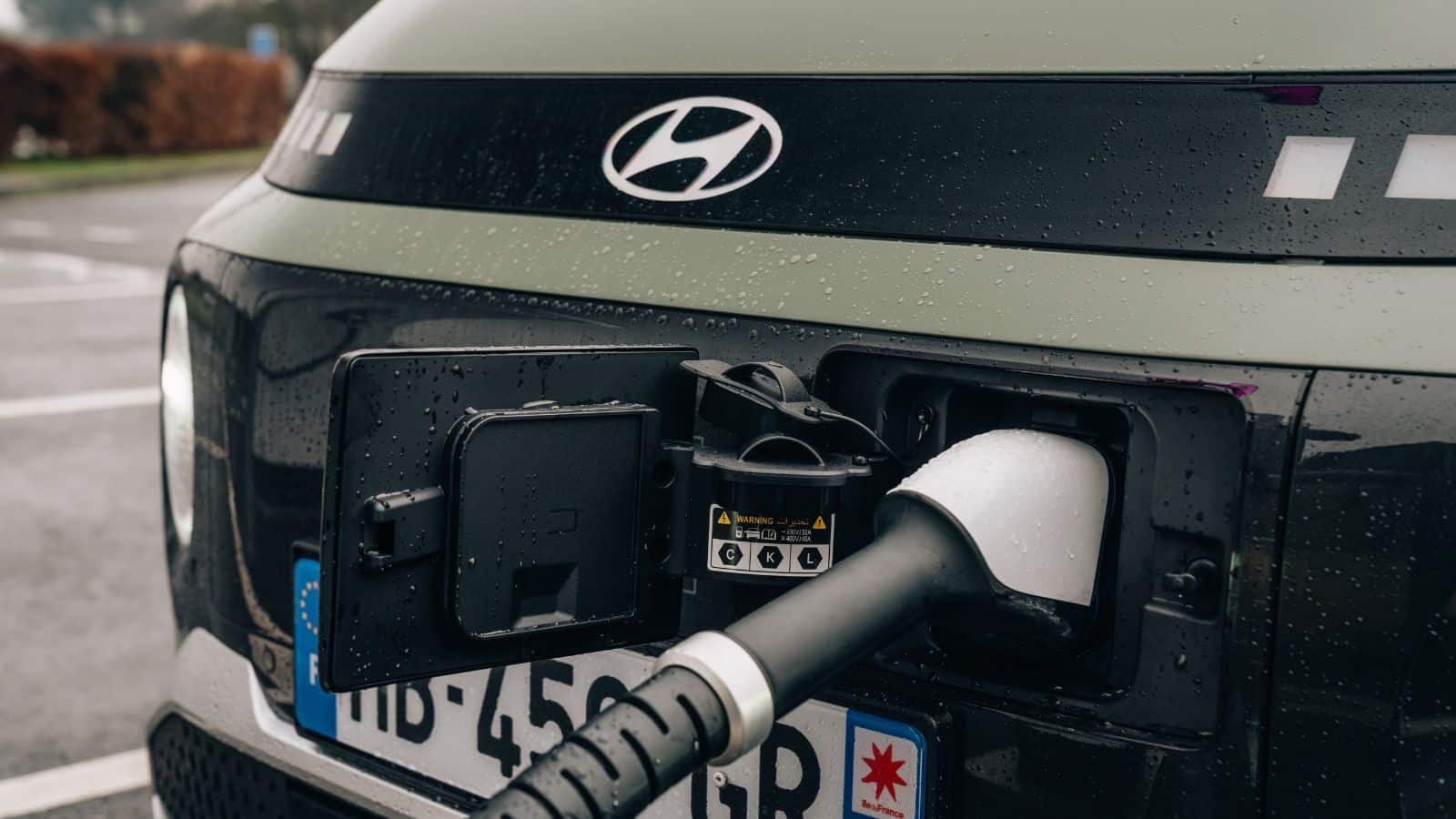
Furthermore, the public charging infrastructure, while expanding, suffers from inconsistencies. Drivers report concerns about the reliability of charging points, uneven geographical coverage, and complex payment systems. The experience of charging away from home is often seen as less convenient and predictable than refueling a traditional car, creating a psychological barrier for longer journeys.
Beyond Infrastructure: Practical and Market Realities
Practical considerations for many French households, particularly those without private parking or in dense urban areas, make home charging difficult or impossible. This reliance on public networks undermines one of the key daily conveniences of EV ownership. Additionally, the vibrant market for affordable used internal combustion engine cars presents a strong alternative, as the second-hand EV market is still developing and offers fewer budget-friendly options.
Finally, while environmental policy pushes for electrification, the energy debate lingers. Questions about the carbon footprint of battery manufacturing and the source of France’s electricity, despite its low-carbon nuclear base, contribute to a nuanced public discourse that tempers unbridled enthusiasm.
For the definitive shift to occur, these structural, economic, and practical obstacles must be addressed in unison. The path forward requires not just more vehicles, but a cohesive ecosystem that makes electric mobility seamlessly accessible, affordable, and reliable for all.