
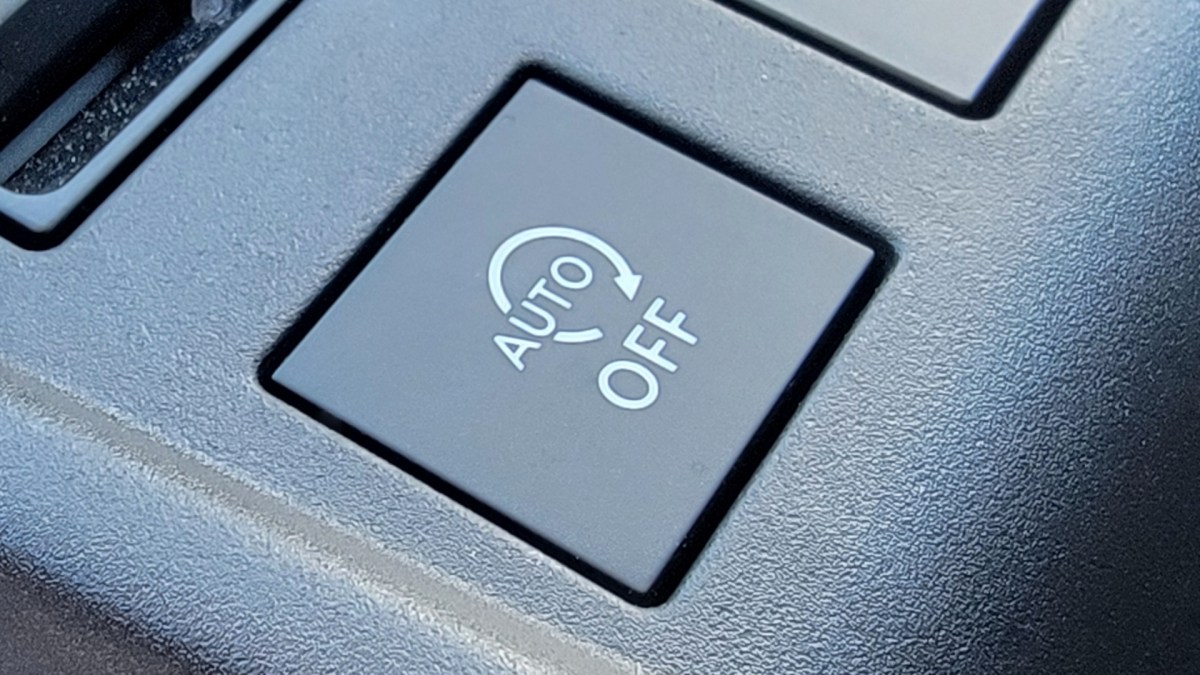
The Controversy Over Start-Stop Systems
Start-stop technology, designed to automatically shut off a vehicle’s engine at idle to reduce fuel consumption and emissions, has been a point of contention since its widespread adoption. While praised by environmental regulators for its efficiency benefits, the feature has drawn consistent criticism from a segment of drivers. Common complaints include perceived wear on engine components, noticeable delays in acceleration, and the general annoyance of the engine cycling on and off in heavy traffic.
Regulatory Shift Under the Trump Administration
In a move aligning with its broader deregulatory agenda, the Trump-era Environmental Protection Agency (EPA) signaled a potential policy reversal concerning this technology. Then-EPA Administrator Lee Zeldin indicated the agency was preparing action in response to feedback from “numerous” citizens dissatisfied with the system. The proposed measure aimed to revise the federal emissions testing procedures that effectively incentivize automakers to install start-stop systems to achieve compliance with Corporate Average Fuel Economy (CAFE) standards.
Implications for Automakers and Emissions
Such a regulatory change would have significant ramifications. By altering how fuel economy is calculated for vehicles equipped with start-stop, the EPA could remove a key compliance tool for car manufacturers. This would force the industry to re-evaluate strategies for meeting stringent emissions targets, potentially accelerating investment in alternative technologies like hybridization or full electrification. Critics of the proposed change argued it could lead to a measurable increase in greenhouse gas emissions from the transportation sector, undermining long-term environmental goals.
The Lasting Impact on Automotive Policy
While the ultimate fate of this specific proposal shifted with subsequent administrations, the debate it sparked remains relevant. It highlighted the ongoing tension between immediate consumer comfort and long-term environmental mandates. The episode also underscored how federal testing protocols directly influence the technologies that become standard in vehicles, shaping the driving experience for millions. The discussion around start-stop systems continues to inform broader conversations about the practical implementation of emissions-reducing technology in everyday consumer products.