
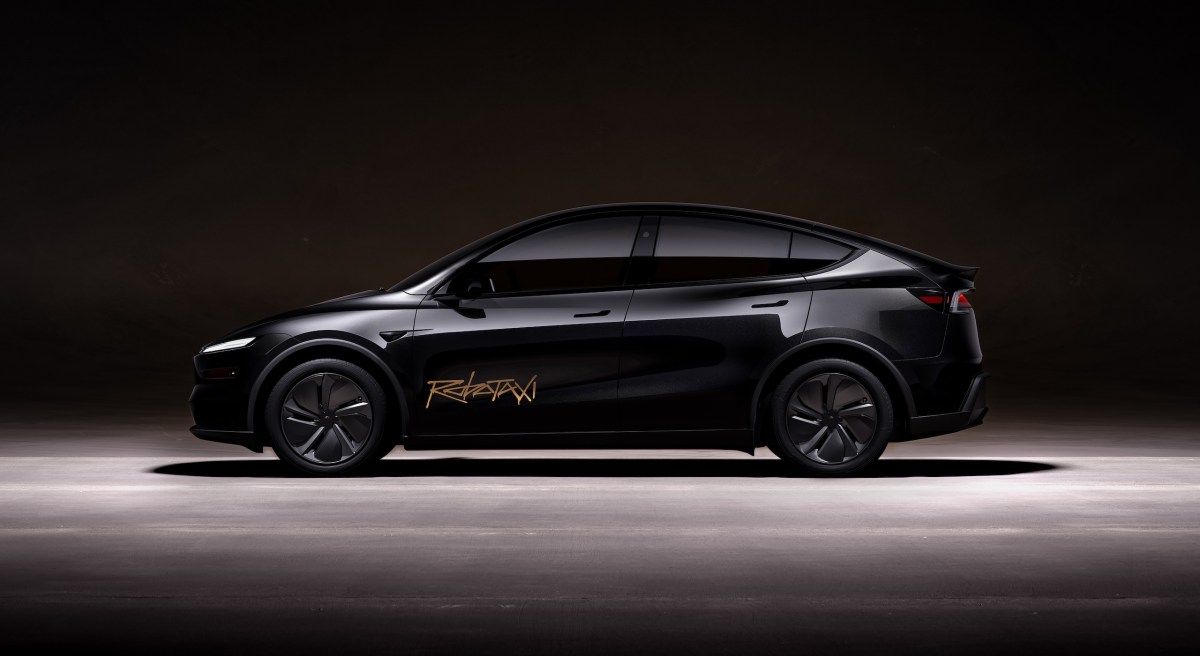
A New Era for Self-Driving in Texas
Elon Musk’s recent announcement regarding Tesla robotaxis operating in Austin, Texas, has sparked intense discussion. The key detail? These vehicles are reportedly navigating public roads without a human safety driver behind the wheel. This marks a significant, if controversial, step beyond current industry norms for testing autonomous vehicles.
How Driverless Cars Are Monitored
While the absence of an in-car supervisor is a bold move, it does not imply the vehicles are unsupervised. According to reports, Tesla is utilizing a “chase car” methodology. A separate, human-driven vehicle follows the autonomous Tesla at a distance, monitoring its performance. This chase car team can potentially intervene remotely or coordinate a response if the robotaxi encounters an unexpected situation, acting as a mobile safety net.
Technology and Regulatory Implications
This operational strategy leans heavily on the capabilities of Tesla’s Full Self-Driving (FSD) software. The company appears confident enough in the system’s ability to handle complex urban environments like Austin without immediate physical intervention. However, this approach raises immediate questions about local and state regulations governing autonomous vehicle testing, public safety protocols, and the definition of adequate oversight.
The move accelerates the timeline for public exposure to driverless technology but also invites scrutiny. Industry observers are keenly watching how these tests proceed, as the success or failure of this model could influence broader adoption and regulatory frameworks for autonomous ride-hailing services across the United States.