
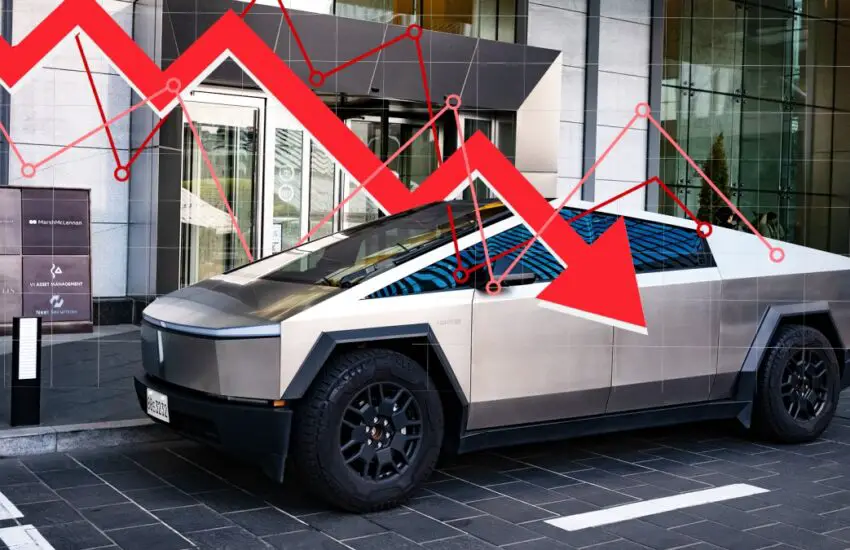
A Stunning Reversal for Tesla’s Polarizing Pickup
The Tesla Cybertruck entered the automotive arena in 2024 with meteoric force, quickly becoming the best-selling electric pickup. Its stainless-steel exoskeleton and angular design captured global attention, translating into remarkable initial sales figures. However, 2025 has delivered a dramatic and unexpected plot twist for the controversial vehicle. Industry sales data now reveals a staggering 50% decline compared to its launch year, with estimates suggesting only around 20,000 units sold in its second full year on the market.
Unpacking the Potential Causes of the Decline
Several key factors are likely contributing to this sharp downturn. First, the initial sales surge largely represented pent-up demand from early adopters and reservation holders who had waited years. Once that initial wave was fulfilled, the Cybertruck faced the much tougher challenge of appealing to the mainstream pickup buyer.
Furthermore, the vehicle’s unconventional design, while a headline-grabber, may be limiting its broader market appeal. Practical concerns from potential buyers include the durability of the stainless-steel body against dents and scratches, as well as the functionality of the cargo bed compared to traditional pickups. The competitive landscape has also intensified, with established automakers rolling out more electric truck options.
Production Challenges and Market Positioning
Manufacturing complexities have been a persistent hurdle. The unique construction and materials of the Cybertruck have made it difficult for Tesla to scale production rapidly and efficiently, potentially limiting availability and keeping costs high. This production bottleneck, coupled with a premium price tag, places it in a niche segment rather than the high-volume market typical of pickup trucks.
While a 50% drop is significant, it is crucial to view it within the context of the Cybertruck’s unique position. It was never designed to be a conventional, mass-market vehicle like the Ford F-150. Its success metrics at Tesla may differ, focusing on brand innovation and technology showcase. Nonetheless, this sales plunge poses serious questions about its long-term commercial viability and its role in accelerating the world’s transition to electric trucks.