
The Regulatory Roadblock Facing Car Retrofit
The ambition to convert classic and modern combustion-engine cars to electric power, known as retrofit, is hitting a significant wall in France. While promoted as a sustainable solution to preserve automotive heritage and reduce emissions, the practice is stifled by legislation that has failed to keep pace with technological progress.
Outdated Rules Stifling Progress
French retrofit regulations, established before the technology matured, are now a primary obstacle. The homologation process for a converted vehicle is notoriously complex, lengthy, and costly. It requires meeting a rigid set of criteria that were designed for new vehicles, not conversions. This framework makes it economically unviable for small workshops and discourages individual owners, effectively creating a market monopoly for a handful of approved entities.
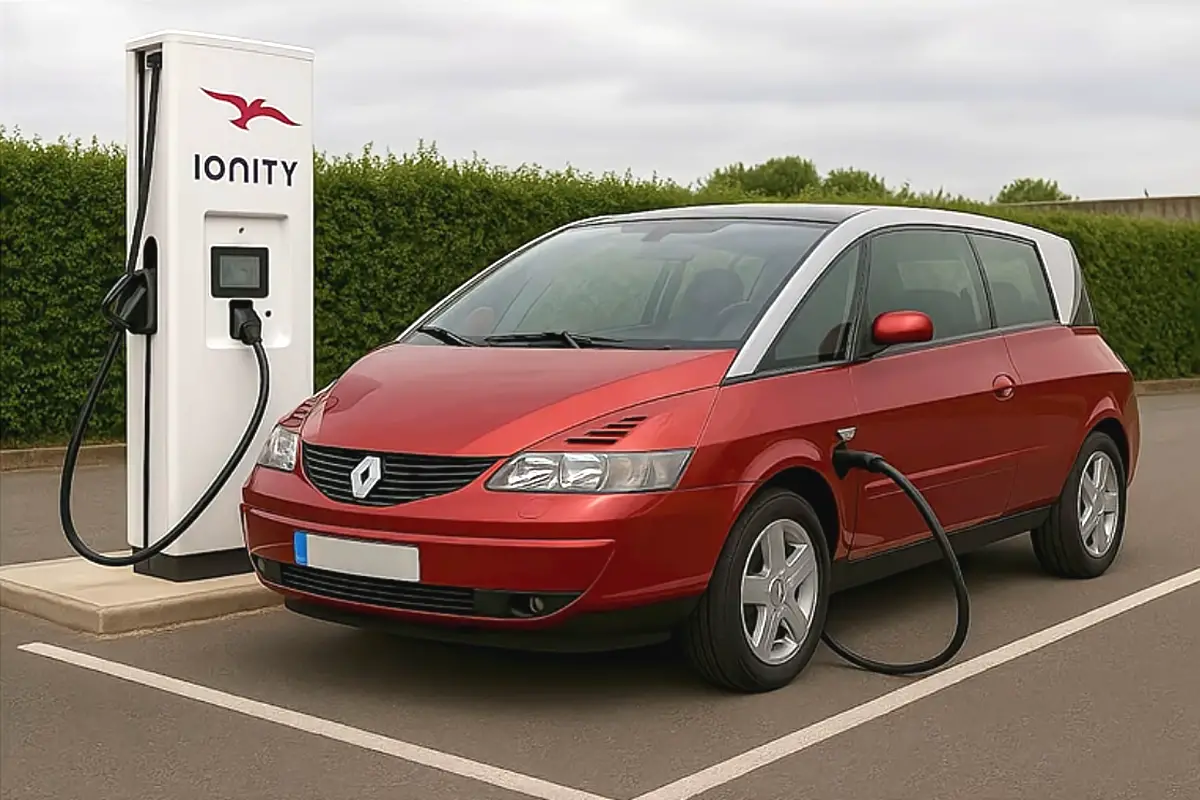
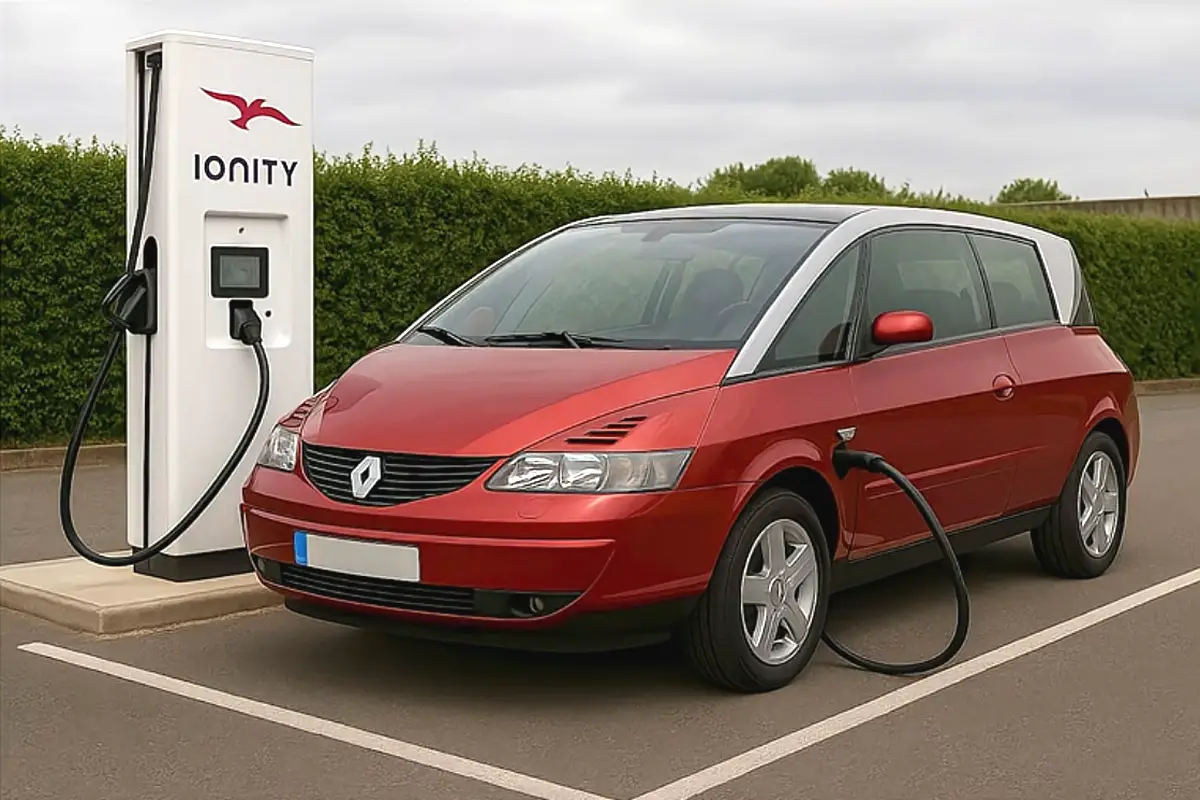
The case of an enthusiast attempting to convert a Renault Avantime is emblematic. Such projects, which blend sustainability with passion, often become bureaucratic nightmares. The regulations do not adequately differentiate between a full prototype and a standardized conversion kit, adding layers of unnecessary red tape.
The Environmental and Economic Cost
This legislative stagnation has direct consequences. Environmentally, it slows the adoption of a circular economy model for vehicles, forcing older, polluting cars off the road entirely instead of granting them a clean second life. Economically, it hampers the growth of a promising green industry, preventing job creation in specialized technical sectors and limiting consumer choice.
Other European nations are adopting more agile frameworks, recognizing retrofit as a key component of their mobility transition. Until French law undergoes a significant modernization to simplify approvals and encourage innovation, the country’s retrofit potential will remain largely untapped, blocking a pragmatic path to cleaner roads.